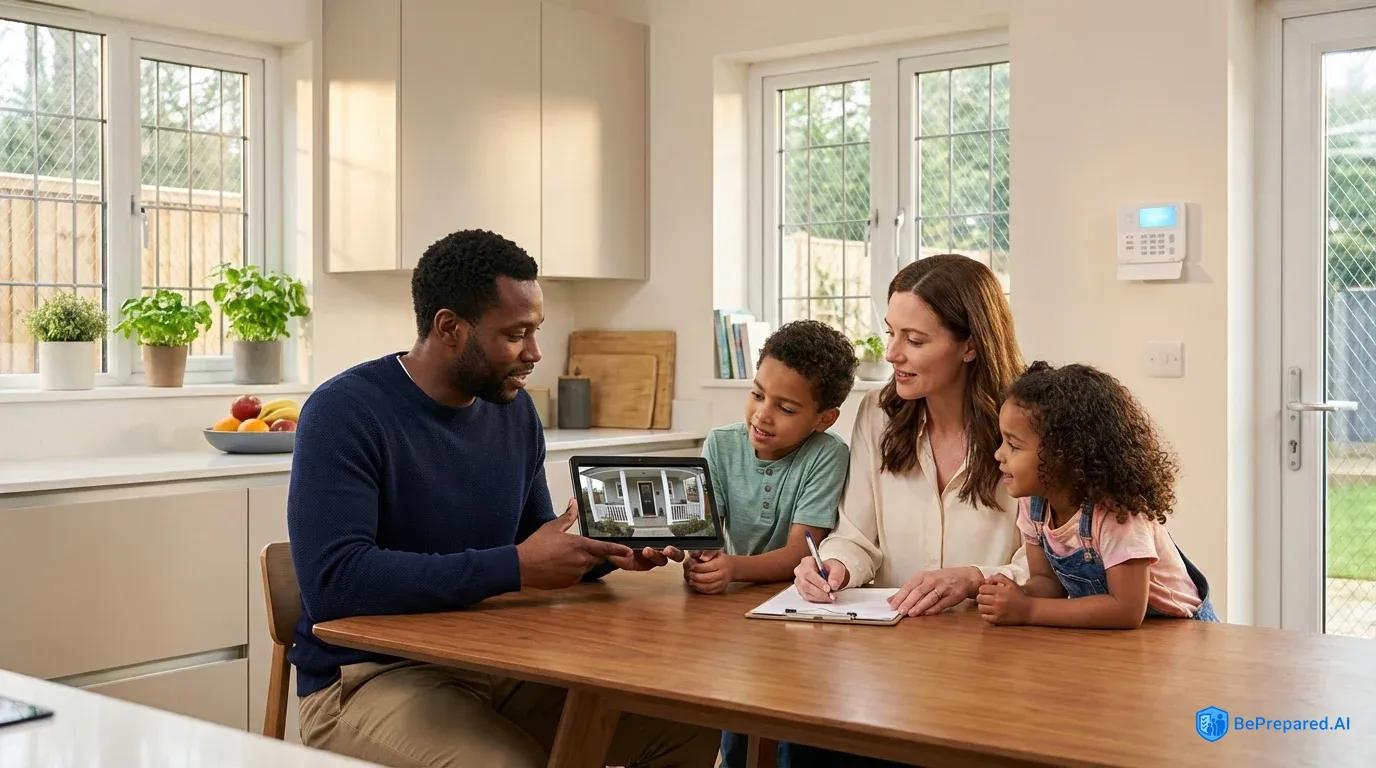
Introduction: Why Home Security Matters During Civil Unrest
Sarah watched the news with growing concern as protests erupted three neighborhoods away from her suburban home. She'd never thought much about home security before—her quiet street had always felt safe. But as she saw footage of broken storefronts and scattered reports of property crimes, a question nagged at her: Was her family prepared if things escalated closer to home?
If you're reading this, you might be asking yourself the same question. The reality is that during periods of civil unrest, property crimes can increase significantly compared to normal conditions. This isn't about spreading fear—it's about facing facts and taking sensible action. The good news? You don't need to turn your home into a fortress or spend thousands of dollars to significantly improve your family's safety.
Most home invasions are crimes of opportunity, not carefully planned heists. Criminals look for easy targets: unlocked doors, dark entryways, homes that appear vacant or vulnerable. During times of civil unrest, when emergency response times may be slower and law enforcement resources are stretched thin, this opportunistic behavior increases. But here's the empowering truth: basic security measures can dramatically reduce your risk by making your home a harder target than your neighbor's.
Think of home security like insurance—you hope you'll never need it, but you'll be grateful you have it. Prevention beats reaction every single time. The steps you take today, while things are calm, will serve you far better than scrambling to secure your home when tensions are already high. Let's walk through practical, affordable ways to protect what matters most.
This guide breaks down home security into manageable steps you can tackle one at a time. You don't need to do everything at once. Even implementing just a few of these measures puts you ahead of most homeowners and significantly reduces your risk. Start with what feels most urgent for your situation, then build from there as time and budget allow.
Download our free home security assessment worksheet to follow along as you evaluate your own home's vulnerabilities.
- Install Grade 1 Deadbolt
- Use high-security deadbolts with reinforced strike plates to make door breaches much more difficult
- Maintain Landscaping
- Keep bushes and shrubs trimmed below window height to eliminate hiding spots for intruders
- Add Motion Lighting
- Install bright LED motion sensors above entry points to deter nighttime activity
- Secure Strike Plates
- Use 3-inch screws in strike plates to anchor deeply into the door frame
Exterior Security Assessment (Points 1-3)
Walk around your home as if you were trying to break in. Uncomfortable thought? Absolutely. But this perspective shift reveals exactly what potential intruders see. Start at your front door and work your way around the entire perimeter, noting every possible entry point.
Entry point reinforcement forms your first line of defense. Your exterior doors might look solid, but many standard residential locks can be defeated quickly by someone who knows what they're doing. Quality deadbolts can substantially reduce break-in success rates, making them one of the most cost-effective security upgrades you can make. Install Grade 1 deadbolts with at least a one-inch throw on all exterior doors. Don't forget about the strike plate—upgrade to one with 3-inch screws that anchor into the door frame's studs, not just the trim. A door is only as strong as what holds it closed.
Your back door and garage entry deserve equal attention to your front door. Many homeowners install excellent locks on their front door while leaving a flimsy knob lock on their back entrance. Criminals know this and often check rear access points first, where they're also less visible to neighbors and passersby.
Sliding glass doors present unique challenges. The standard locks on these doors offer minimal resistance. Add a security bar or dowel in the track as a simple backup. For better protection, install anti-lift devices that prevent the door from being lifted off its track—a common bypass technique that takes just seconds.
Strategic landscaping might seem like an odd security measure, but vegetation either works for you or against you. Those beautiful overgrown bushes beneath your first-floor windows? They provide perfect concealment for someone trying to force a window open. Trim foundation plantings to below window level—you want a clear line of sight from the street. Conversely, use thorny plants like roses, barberry, or hawthorn beneath windows as natural deterrents. Nobody wants to crouch in a rosebush while jimmying a window.
Trees near your home need evaluation too. A large tree with branches extending to second-story windows or your roof creates an easy access point. Trim branches back at least six feet from the house. This also reduces fire risk and prevents damage during storms—a win on multiple fronts.
Exterior lighting eliminates the cover of darkness that criminals rely on. Strategic lighting reduces concealment opportunities by 33% , and it's one of the simplest security upgrades you can implement. Proper lighting can reduce break-ins by up to 39% , making it one of your most powerful deterrents. Install motion-activated lights at all entry points—front door, back door, side gates, and garage. Position them high enough that they can't be easily unscrewed or disabled.
For maximum effectiveness, angle lights to illuminate faces rather than just the ground. A well-lit intruder can be identified; one hidden in shadows cannot. Solar-powered options eliminate wiring concerns and ensure your lights function even during power outages, which sometimes accompany civil unrest. Consider leaving some interior lights on timers when you're away to create the appearance of occupancy.
Don't overlook your driveway and walkways. Well-lit paths not only deter criminals but also prevent accidents and make your home more welcoming to legitimate visitors. The goal is eliminating dark corners and shadows where someone could hide while maintaining a friendly, approachable appearance.
Window and Door Security (Points 4-6)
Windows represent your home's most vulnerable points. Glass breaks easily, and standard window locks often provide minimal resistance to forced entry. Upgrading your window security doesn't require replacing every window in your house—targeted improvements make a significant difference.
Window reinforcement options range from simple to sophisticated. For ground-level and easily accessible windows, consider installing window security bars or grilles. Modern designs don't have to look prison-like; decorative wrought iron options add aesthetic appeal while providing serious physical barriers. Ensure any bedroom window bars include quick-release mechanisms for emergency egress—you need to get out as easily as intruders are kept out.
Polycarbonate security glazing offers another option, providing impact resistance many times greater than standard glass while maintaining visibility and natural light transmission. This upgrade makes sense particularly for windows that face secluded areas or contain valuable items visible from outside.
Window sensors connected to your alarm system add another layer. These inexpensive devices alert you when a window opens, and many can also detect glass breakage. The psychological deterrent of visible alarm company stickers near windows shouldn't be underestimated either.
Security film application provides an invisible shield that most people never consider. This polyester-based film bonds to glass, holding shattered pieces together even after impact. Quality security film can significantly delay forced entry through windows, which doesn't sound like much until you consider that most smash-and-grab attempts are abandoned quickly if entry isn't achieved. The film won't prevent glass from breaking, but it prevents the easy access that comes from simply punching through a pane and reaching inside to unlock the window.
Professional installation ensures proper adhesion and coverage, though DIY kits are available for budget-conscious homeowners willing to invest the time to apply it correctly. The film also provides benefits beyond security—it blocks UV rays that fade furniture and can help hold glass together during storms or accidents.
Secondary locking mechanisms add another layer that dramatically improves window security. Pin locks, sliding window locks, and keyed locks can substantially reduce entry success because they prevent windows from being opened even if the primary lock is defeated. For double-hung windows, drill a downward-angled hole through the top corner of the lower sash into the bottom corner of the upper sash, then insert a removable pin.
This simple modification costs less than five dollars per window and prevents the window from being opened until you remove the pin. Keep pins nearby but not visible from outside—a small dish on a nearby shelf works well. Sliding windows benefit from track blockers—cut a wooden dowel or piece of PVC pipe to fit the track, preventing the window from sliding even if the lock is compromised.
Basement windows deserve special attention since they're often forgotten in security planning. These windows sit at ground level, making them easy targets. Consider window well covers that lock from inside, preventing access while still allowing emergency egress.
Security Technology (Points 7-10)
Technology amplifies your physical security measures, providing awareness and documentation that passive defenses alone cannot offer. Modern security technology has become remarkably affordable and user-friendly, putting professional-grade protection within reach of average homeowners. The key is choosing systems that match your technical comfort level and actual needs rather than buying every gadget available.
Camera placement strategies matter more than camera quality in most residential applications. A well-positioned basic camera outperforms a poorly placed premium model every time. Position cameras to capture clear facial images of anyone approaching doors. Mount cameras high enough to prevent easy tampering while providing good viewing angles—typically between seven and nine feet works well for most homes.
Cover vulnerable areas like side yards, driveways, and backyard access points. Sixty percent of burglars avoid homes with visible security cameras , so don't hide them—deterrence works best when cameras are noticed. Make cameras visible without being obtrusive. A small sign indicating video surveillance reinforces the deterrent effect.
Arrange cameras so each one's coverage area includes at least one other camera when possible. If someone attempts to disable a camera, another captures the action. This overlapping coverage also eliminates blind spots where intruders could approach undetected.
Position one camera specifically to record vehicle license plates entering and leaving your property, using a narrow field of view for better detail. This camera serves a different purpose than your general surveillance cameras and requires different positioning—typically lower and more focused on the street or driveway.
Alarm system essentials create layers of detection that work together. Door and window sensors form your perimeter defense. Install magnetic contact sensors on all ground-floor access points and any upper-floor windows accessible via roof, tree, or trellis. These sensors detect opening and trigger the alarm before an intruder enters, giving you maximum warning time.
Glass break detectors add protection against entry through windows without opening them. These acoustic sensors recognize the specific frequency of breaking glass. Position strategically in rooms with multiple windows—one detector can often cover several windows in the same room.
Motion sensors provide a final layer, alerting you if someone bypasses perimeter sensors. Pet-immune models prevent false alarms from animals, though you'll need to verify weight limits match your pets. These sensors work best in hallways and rooms that intruders must pass through to access valuable areas.
A loud siren serves two purposes—alerting you to intrusion and encouraging intruders to flee. Most burglars abandon attempts quickly once an alarm sounds. The psychological impact of a blaring alarm cannot be overstated. Even if response times are slow during civil unrest, the noise alone often sends intruders running.
Control panels should be positioned where you can easily arm and disarm the system but not visible or accessible from windows or doors. Consider systems with smartphone integration that let you arm, disarm, and monitor from anywhere. This remote access proves invaluable when you're away and need to verify your home's status.
Cellular backup importance cannot be overstated during civil unrest scenarios. Traditional alarm systems rely on phone lines or internet connections that can be cut or disrupted. Cellular backup ensures system function during network disruption , maintaining your connection to monitoring services even if someone cuts your phone line or your internet goes down.
During widespread civil disturbances, cellular networks often remain operational when other infrastructure fails. This redundancy means your alarm can still contact monitoring services or send alerts to your phone even when traditional communications are compromised. The small monthly fee for cellular backup is worthwhile insurance for system reliability when you need it most.
Battery backup is equally important. Your security system should continue operating during power outages. Most quality systems include battery backup that lasts 24 hours or more. Check batteries regularly and replace them according to manufacturer recommendations.
Smart doorbell benefits extend beyond package theft prevention. Video doorbells let you see and communicate with anyone at your door without opening it—critical during uncertain times when you need to verify identity before granting access. Two-way audio allows you to answer the door while you're in your secure interior, or even when you're away from home, creating the impression of occupancy.
Recording features document everyone who approaches, providing evidence if needed and deterring potential threats who know they're being recorded. Many models integrate with your smartphone, sending alerts when someone approaches. This real-time notification lets you respond immediately rather than discovering hours later that someone was at your door.
Motion detection zones let you customize alerts. Set zones to notify you of activity on your porch but not passing pedestrians on the sidewalk. This customization reduces alert fatigue while ensuring you're notified of relevant activity. Night vision capability ensures clear footage regardless of lighting conditions.
The beauty of layered security lies in redundancy—if one measure fails, others remain active. Layered security measures increase effectiveness by 76% , making the whole greater than the sum of its parts. Your reinforced doors slow forced entry. Your cameras record the attempt. Your alarm alerts you and potentially law enforcement. Your lighting ensures clear footage and increases the likelihood of witness observation.
Together, these measures transform your home from a soft target into one that criminals will bypass for easier opportunities. Each layer adds time, noise, or visibility that works against an intruder's goals. The criminal calculus is simple—they want quick, quiet, undetected entry. Your security measures make that impossible.
Security doesn't require paranoia or fortress-like modifications. It requires thoughtful assessment, strategic improvements, and consistent habits. Start with the basics—good locks, adequate lighting, and awareness of your property's vulnerabilities. Add technology as budget allows. Most importantly, take action now, before you need these protections.
Your future self will thank you for the peace of mind that comes from knowing you've done what you can to protect your family and home. Remember, you don't need to implement everything at once. Pick one area to improve this week. Maybe that's installing better deadbolts, or adding motion lights to your back door, or finally putting pins in your window tracks. Small steps add up to significant improvements in your overall security posture.
The goal isn't perfection—it's progress. Each improvement you make reduces your risk and increases your confidence. During uncertain times, that confidence matters as much as the physical security itself. You're taking control of what you can control, and that's exactly what preparedness is all about.