Emergency Supplies for a Winter Storm
The printable checklist, plus what to do before, during and after the storm.
A winter storm can cut power, heat and roads for days. Get ready with a kit weighted for warmth and stored water, a stocked car, a safe way to heat your home if the power fails, and a clear sense of what a Watch versus a Warning asks of you.
Here is what to have on hand, and a winter storm preparation checklist you can print. It is the emergency you can usually see coming, and the notice only helps if you act on it. The steps below stay calm and practical, and they follow the storm itself: before, during and after.
Last reviewed
Winter storm impact is intensely local: the ice line that decides whether you get rain or a quarter inch of glaze can sit a few miles from your house, and the utility that keeps your heat on is not the one your neighbor across the county line calls. Generic county-level alerts blur all of that together.
BeAware reads the National Weather Service alert stream, your utilities' outage feeds, and FEMA risk data against your exact address, so when a winter storm is coming you see what it means for your house - not your region.
Check risks at my addressBuild your winter storm emergency kit
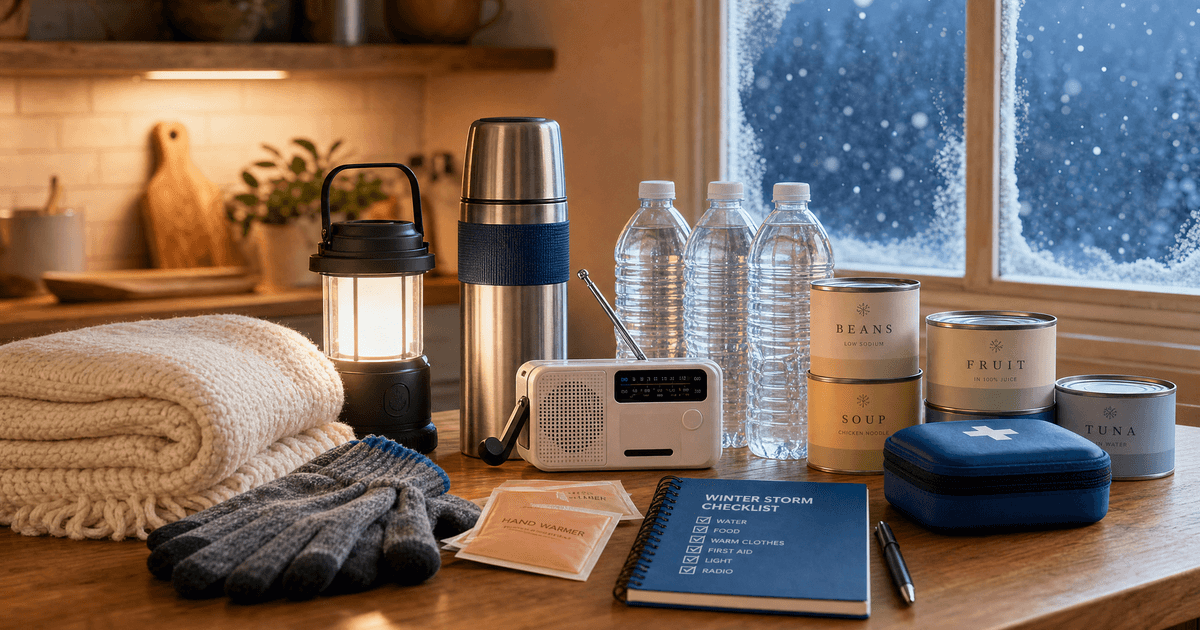
A winter storm emergency kit keeps your household warm, watered, and fed for 72 hours even if the storm takes the power with it. Tap each item as you gather it, or print the list; your checks are stored on this device.
Winter Storm Emergency Supplies Checklist
BePrepared Solutions · bepreparedsolutions.co/winter-storm-preparedness
Check off each item as you go.
0 of 25 checked
Warmth (heat the person, not the house)
Water (store it before the freeze)
Food that needs no cooking
Light and backup power
Vehicle winter kit
Health and hypothermia awareness
Communication and alerts
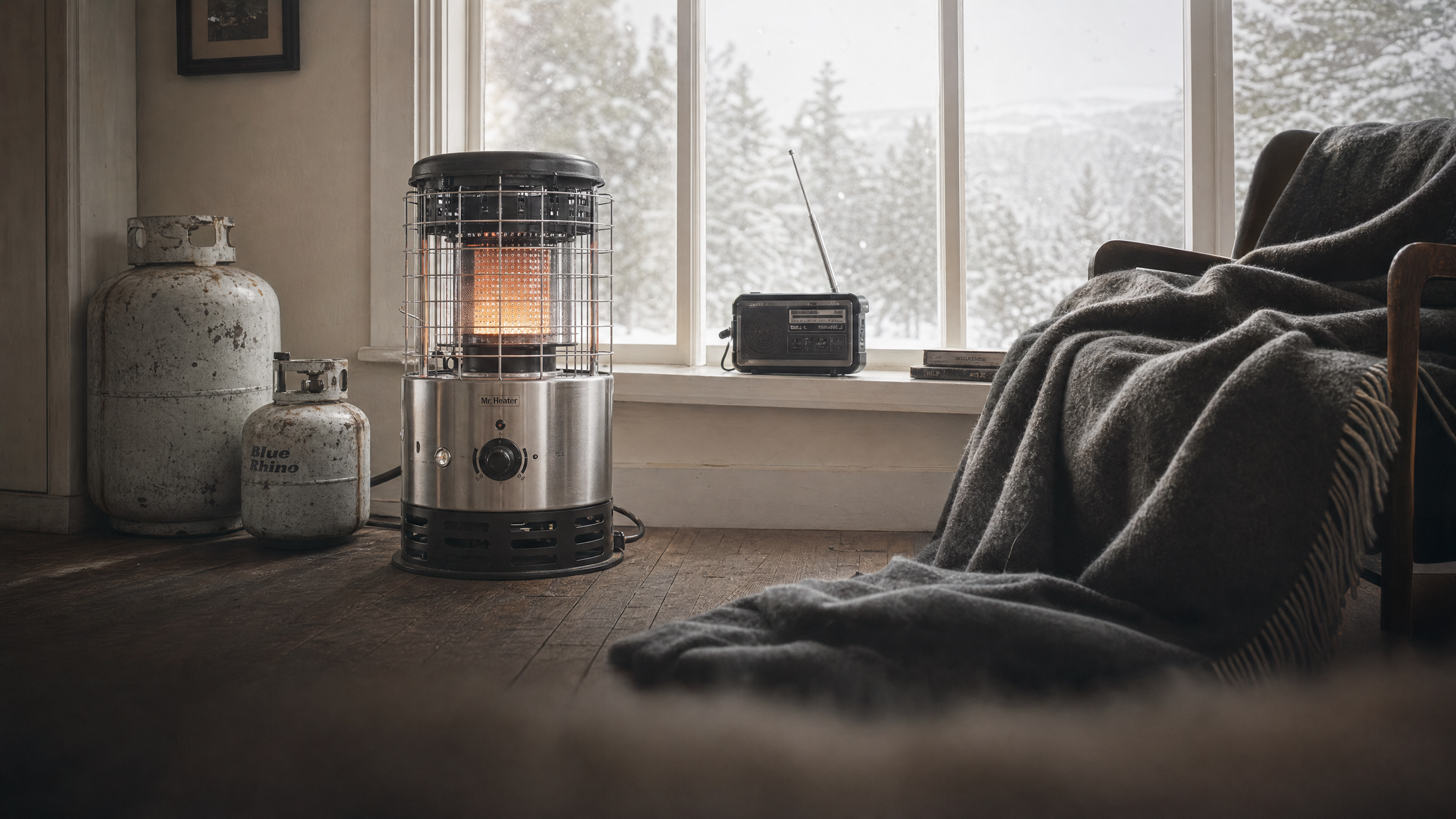
The Deep Freeze: Winter Storm Home Kit
Everything on the checklist above, assembled and sized for your household: safe indoor heat with a CO alarm beside it, fifteen-hour candles and headlamps, water storage, a weather radio, and a week of hot meals. Passed through to Amazon at cost - no markup from us.
What to do in a winter storm: Watch through recovery
Winter storms usually come with notice: Ready.gov says a Watch is usually issued 12 to 48 hours before the storm begins. The Watch-to-Warning window is where preparedness actually happens; everything after that is execution.
Winter Storm Watch issued (usually 12 to 48 hours out)
A Watch means a blizzard, heavy snow, heavy freezing rain, or heavy sleet is possible. Fill water jugs and the bathtub, charge every battery pack, top off heating fuel and the car’s gas tank, and move the vehicle kit into the trunk. Run the pharmacy and grocery errands now, while the roads are clear.
Winter Storm Warning issued (storm is imminent)
A Warning means hazardous winter weather is imminent or already occurring. Finish preparations and get everyone home. Set the plan for where the household sleeps if the heat fails - one room, with doors to the rest of the house closed. Open kitchen and bathroom sink cabinets so warmer air reaches the plumbing, and let faucets served by unheated pipes drip slowly.
During the storm
Stay off the roads if at all possible. Track conditions on a NOAA weather radio or WEA alerts rather than draining your phone. If you must use backup heat, follow the carbon monoxide rules absolutely: generators and grills stay outdoors, a generator at least 20 feet from windows, doors, and attached garages, and a gas stovetop or oven is never a heater.
If the power fails in the cold
Move the household into the one pre-chosen room and heat the people, not the house: layers, hats, blankets, sleeping bags, shared body heat. Watch everyone for shivering, confusion, fumbling hands, or slurred speech - warming the chest, neck, and head comes first, and a body temperature below 95°F means seek medical attention immediately. If indoor temperatures keep falling and you have a safe route, relocate to a warming center.
After the storm
Wait for roads to be cleared before driving; the National Weather Service notes that thousands of people are injured or killed every year in traffic accidents related to slippery roads from winter storms. Check pipes for leaks as they thaw, refill anything you used from the kit, and restock fuel. Check on neighbors, especially the elderly and anyone whose heat did not come back with yours.
Heat the person, not the house
When a winter storm takes the heat out, the instinct is to warm the whole home back up. The safe play is the opposite: shrink the problem. Pick one room - south-facing if you have the choice - close its doors, and concentrate people, blankets, and sleeping bags there. The National Weather Service’s advice when the heat goes out is the same: close off unneeded rooms, stuff towels in the cracks under doors, and wear loose layers.
The rules that keep an improvised heat plan from becoming a carbon monoxide emergency are absolute:
- Never heat your home with a gas stovetop or oven.
- Generators, charcoal grills, and camping stoves stay outdoors - a generator more than 20 feet from any window, door, or vent. Never in the garage, even with the door open.
- A fireplace or wood stove is an emergency heat source only when it is properly ventilated.
- A working carbon monoxide detector on every level is part of the winter kit, not an optional extra. CO is colorless and odorless and, in the CDC’s words, kills without warning; a detector is how you find out.
Ice storms can snap power lines and bring down tree branches, and the outage can outlast the storm. Once the lights go out, the problem changes shape: food safety windows, backup charging, medical devices, and the question of when to relocate.
Our power outage guide covers survival once the grid goes downKeep the pipes from freezing
Burst pipes are the quiet second disaster of a hard freeze. The prevention steps the National Weather Service lists are simple:
- Before the season: insulate water lines that run through unheated areas and along exterior walls, and learn where and how to shut off the main water supply in case a pipe ruptures.
- When hard cold arrives: open kitchen and bathroom sink cabinets so warmer air circulates around the plumbing, and let faucets drip slowly to keep unheated pipes from freezing.
The beginner's guide in the article library below walks through each step.
The car is part of the plan
The National Weather Service counts thousands of people injured or killed every year in traffic accidents related to slippery roads from winter storms, and Ready.gov's advice is to stay off roads if at all possible. The vehicle kit exists for the trips that cannot wait and the storm that arrives early.
- All winter: blankets, high-calorie snacks, water, extra warm clothing, shovel, scraper, tow rope, jumper cables, and sand or cat litter for traction. Gas tank stays near full.
- Before any storm-season trip: check road conditions on 511, tell someone your route, and carry a printed map rather than depending on a phone with limited battery life.
- If you get stranded: stay in the car. Run the motor about 10 minutes each hour for heat, only after clearing snow from the exhaust pipe, open a window a little while it runs, and make the vehicle visible with the dome light at night and a bright cloth on the antenna or door.
Watch, Warning, Advisory: what each alert asks of you
Winter alerts arrive in a fixed vocabulary. Knowing what each one means turns a wall of notifications into a schedule.
| Alert | What it means | What to do |
|---|---|---|
| Winter Weather Advisory | Snow, freezing rain, or sleet expected that will cause significant inconveniences and, if caution is not exercised, could become life-threatening. | Use caution when driving and allow extra travel time. Good moment to verify the kit is stocked and the phone batteries are charged. |
| Winter Storm Watch | Blizzard, heavy snow, heavy freezing rain, or heavy sleet is possible; usually issued 12 to 48 hours before the storm. | Your preparation window. Fill water, charge batteries, fuel the car and the heating system, run final errands. |
| Winter Storm Warning | Hazardous winter weather is imminent or occurring. | Get everyone home and stay off the roads. Set up the warm room. Drip vulnerable faucets. |
| Ice Storm Warning | Ice accumulation of around 1/4 inch or more expected, likely to snap power lines and bring down tree branches. | Prepare for a multi-day power outage on top of the storm. Charge everything; expect to lose grid power. |
| Blizzard Warning | Falling and blowing snow with strong winds and poor visibility - whiteout conditions that make travel extremely difficult. | Do not travel. If you must, carry the winter survival kit; if you get stranded, stay with your vehicle and wait for help. |
Winter storm preparedness FAQ
Sources
The safety guidance on this page follows these sources. Where the National Weather Service or the CDC says otherwise, trust them over us.
- Winter Weather — Ready.gov
Supports: the Watch, Warning, and Advisory definitions in the alert table and FAQ ("Winter Storm Warnings are usually issued 12 to 24 hours before the event is expected to begin"; "Winter Storm Watches are usually issued 12 to 48 hours before the beginning of a Winter Storm"; an Advisory is issued for accumulations "which will cause significant inconveniences and, if caution is not exercised, could lead to life-threatening situations"), the under-a-Warning advice ("IF YOU ARE UNDER A WINTER STORM WARNING, FIND SHELTER RIGHT AWAY"), the stay-off-roads and stay-inside-if-stranded guidance, the carbon monoxide rules ("only use generators and grills outdoors and away from windows and never heat your home with a gas stovetop or oven"; generators "at least 20 feet away from windows, doors and attached garages"; CO detectors "on every level of your home"), the hypothermia signs list and warm-the-center-first treatment, and the vehicle kit contents.
- Winter Storm Safety — National Weather Service
Supports: the after-the-storm road caution: "Thousands of people are injured or killed every year in traffic accidents related to slippery roads from winter storms."
- Winter Weather Warnings, Watches and Advisories — National Weather Service
Supports: the Ice Storm and Blizzard Warning rows: Ice Storm Warnings are "usually issued for ice accumulation of around 1/4 inch or more", which will "likely lead to snapped power lines and falling tree branches"; a Blizzard Warning brings "whiteout conditions making travel extremely difficult. Do not travel. If you must travel, have a winter survival kit with you. If you get stranded, stay with your vehicle and wait for help to arrive."
- What To Do If You're Caught in a Winter Storm — National Weather Service
Supports: the stranded-in-a-car answer ("Stay in the vehicle! If you leave your vehicle, you will become disoriented quickly in wind-driven snow and cold. Run the motor about 10 minutes each hour for heat. While running the motor, open the window a little for fresh air to avoid carbon monoxide poisoning. Clear snow from the exhaust pipe"; "Turn on the dome light at night when running the engine. Tie a bright colored cloth, preferably red, to your antenna or door"), and the if-your-heat-goes-out steps ("Close off unneeded rooms to avoid wasting heat"; "Wear layers of loose-fitting, lightweight, warm clothing").
- Home Preparedness Tips for Prolonged Frigid Cold — National Weather Service, New York NY office
Supports: the pipe steps: "Insulate water supply lines that run through unheated areas"; "Open kitchen and bathroom sink cabinets to allow warmer air to circulate around plumbing"; "Allow faucets to drip slowly to keep unheated pipes from freezing"; "know where and how to shut off the main water supply in case of a ruptured pipe."
- Before a Winter Storm — National Weather Service
Supports: the heating-fuel item ("refuel before you are empty; fuel carriers may not reach you for days"), the properly-ventilated emergency heat source guidance, the near-full gas tank rule ("Keep your gas tank near full to avoid ice in the tank and fuel lines"), cat litter or sand for traction, the printed-map-and-compass item ("Compass and road maps, don’t depend on mobile devices with limited battery life"), and calling 511 for road conditions.
- During Cold Weather — National Weather Service
Supports: the generator placement rule (outdoors, at least 20 feet from doors, windows, and garages), the below-95°F hypothermia definition, the dress-in-layers and warm-hat guidance, "Mittens are better than gloves", and beginning CPR if a hypothermia victim is unconscious.
- Preventing Cold-Related Illness — CDC
Supports: the FAQ statement that a body temperature below 95°F requires immediate medical attention, that hypothermia can occur at temperatures above 40°F when a person is chilled by moisture, and the loose-layers, hat, and mittens clothing guidance.
- Carbon Monoxide Poisoning Basics — CDC
Supports: the CO detector item and the heating rules: CO "is an odorless, colorless gas that kills without warning"; "Never heat your house with a gas oven"; "Never use a portable gas camp stove indoors"; "Never use a generator inside your home or garage, even if doors and windows are open. Only use generators outside, more than 20 feet away from any windows, doors, and vents."
Deep dives from our article library
Winter storms are the deepest topic in our library. Each of these goes further on a single part of winter preparedness than one page allows.
All of our winter storm and severe weather guides sit on one page, and you can set alerts for storms and outages at your address.

Complete Winter Storm Home Preparedness Guide
Pillar article for this topic: room-by-room home preparation for a winter storm.

Top 10 Winter Storm Preparation Mistakes
A walkthrough of ten common heating, water, and safety mistakes people make when preparing for a winter storm, and how to avoid each one.
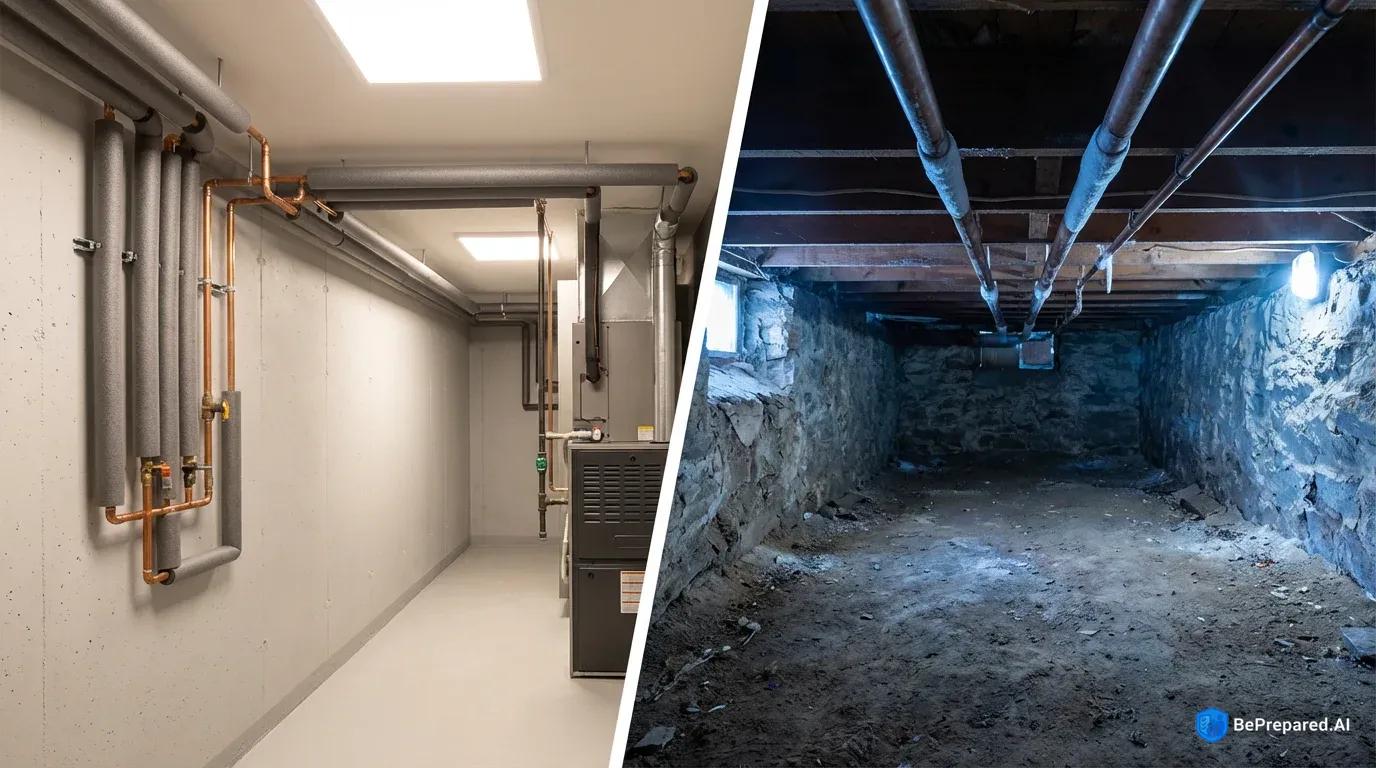
How to Prevent Pipes from Freezing: A Beginner’s Guide
A beginner’s guide to keeping pipes from freezing: the drip, the cabinet doors, and the shutoff valve, step by step.
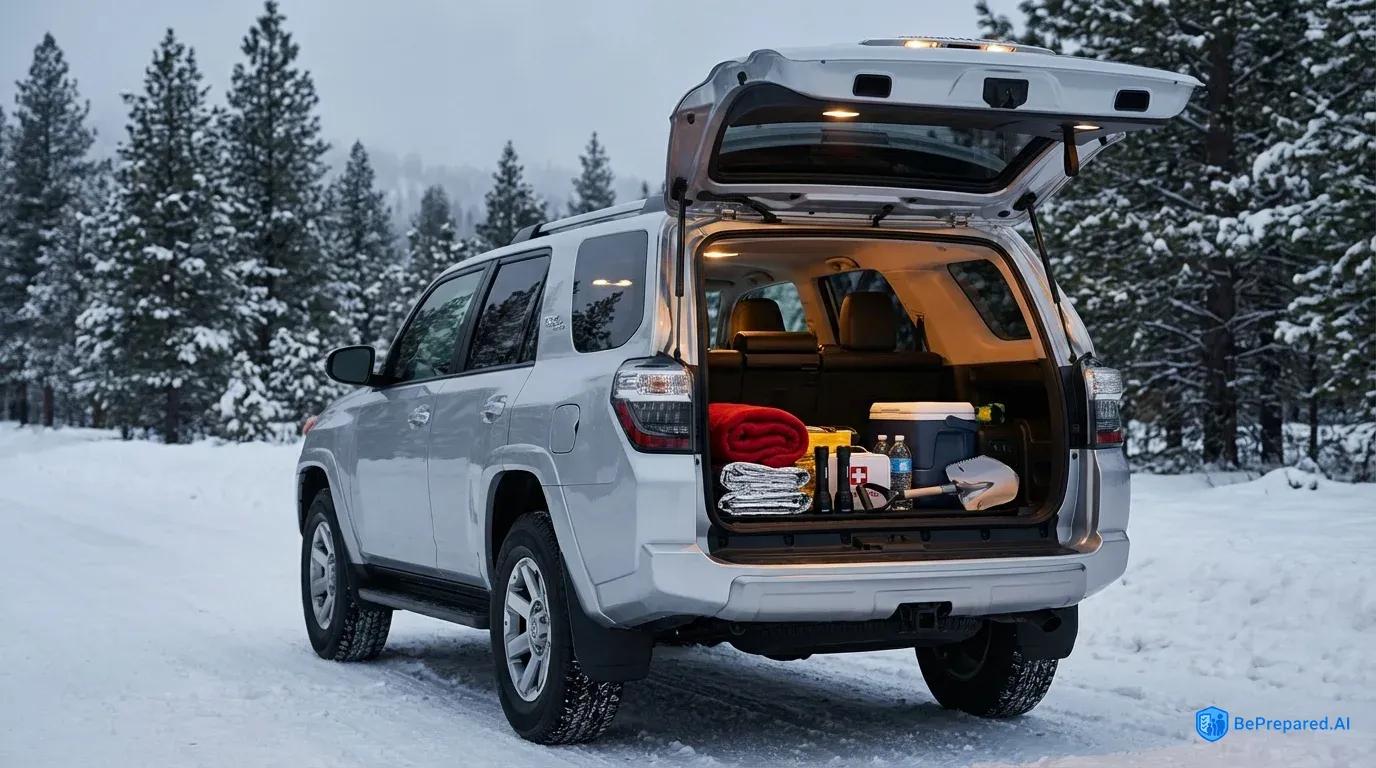
Essential Winter Car Emergency Kit Checklist
A checklist for the winter kit that rides in your trunk, and how to use it if you get stranded.

Quick Winter Storm Evacuation Checklist
A checklist for evacuating ahead of a winter storm without forgetting the essentials.
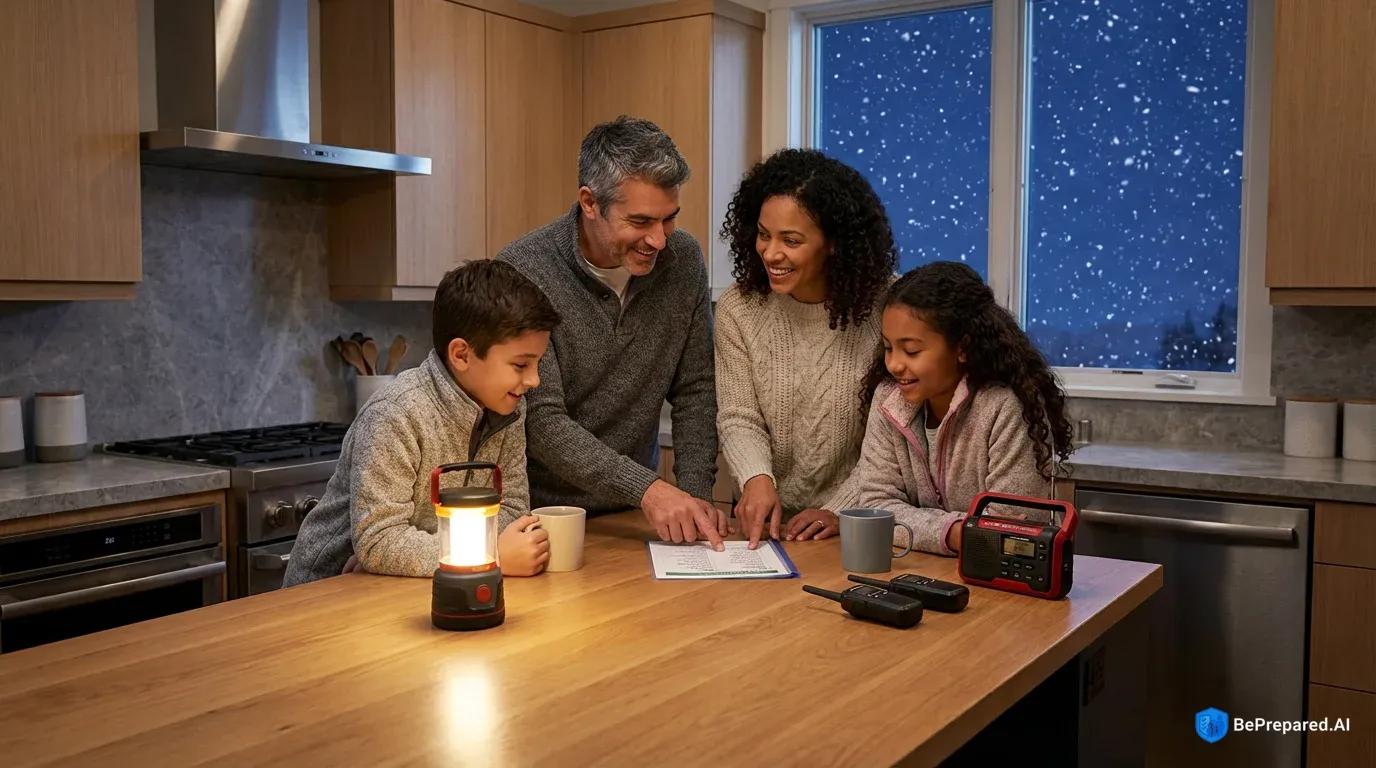
Winter Storm Communications Backup Plan
Backup ways for a separated family to stay in contact when phone service is unreliable during a winter storm.
Preparedness that goes beyond this winter
Winter storms are one season of risk at your address; there are others. BeAware sends winter storm warnings and power outage alerts for your area, BeReady plans for a cold house without power, BeEquipped curates a winter storm kit, and BeAdvised is there when you want an expert view.
See all BePrepared solutions