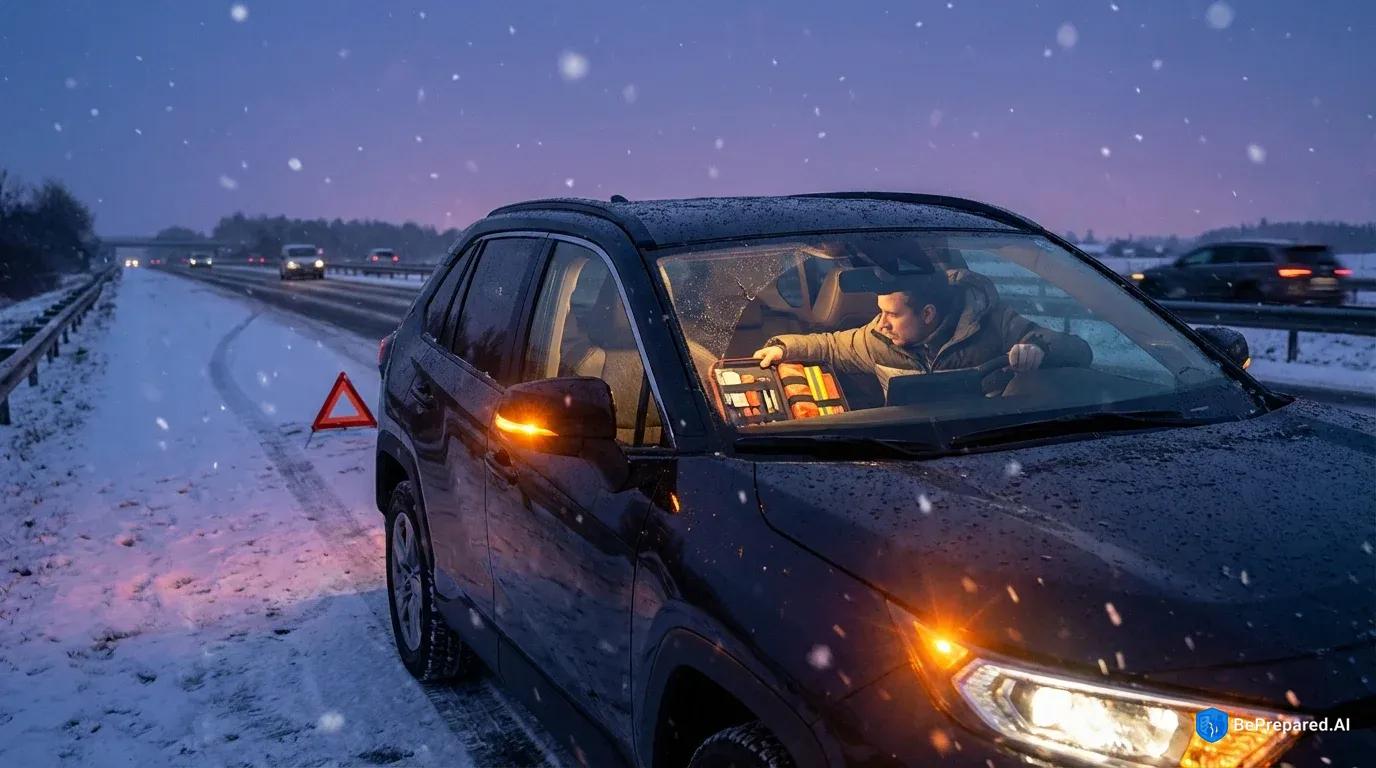
Understanding the Dangers of Being Stranded in Winter
Picture this: Sarah's driving home from work on a Tuesday evening when the weather forecast suddenly changes from "light snow" to "blizzard warning." Within twenty minutes, visibility drops to nearly zero. Her sedan slides off the rural highway into a shallow ditch. The car's undamaged, but she's stuck—and the temperature's dropping fast.
This scenario plays out thousands of times each winter across North America. According to safety data, approximately 116,800 people are injured annually in winter vehicle crashes . While Sarah made it through her accident without injury, she's now facing a different threat entirely: the brutal physics of cold weather exposure.
Hypothermia doesn't wait for you to feel ready. In freezing temperatures, your body can begin showing signs of hypothermia within minutes of exposure . The real danger? Confusion and disorientation set in quickly, making it harder to make rational decisions about your survival. You might feel an overwhelming urge to leave your vehicle and seek help, but that instinct could prove fatal.
Your vehicle, even when it's not running, provides critical shelter from wind and precipitation—the two factors that accelerate heat loss from your body. The metal and glass create a barrier that can mean the difference between mild discomfort and a life-threatening emergency. This is why every winter safety expert emphasizes the same fundamental rule: stay with your vehicle.
There's another invisible threat lurking when you're stranded in winter: carbon monoxide poisoning. In your desperation to stay warm, you might be tempted to run your engine continuously with the windows sealed tight. But if snow accumulates around your exhaust pipe, deadly carbon monoxide can seep into your cabin. This colorless, odorless gas is particularly dangerous because carbon monoxide poisoning can incapacitate you before you even realize there's a problem .
Understanding these dangers isn't about creating fear—it's about recognizing why preparation matters so much. When you know what you're up against, you can pack the right supplies and make smart decisions if you ever find yourself in Sarah's situation. The good news? You don't need to be an expert survivalist to prepare. A few simple steps now can make all the difference later.
Essential Vehicle Winter Safety Kit
The difference between a frightening experience and a genuine emergency often comes down to what you've packed in your trunk. A well-stocked winter car kit gives you the tools to stay safe and comfortable while waiting for rescue. Let's break down what belongs in your winter vehicle survival kit.
Warmth and Shelter Supplies:
- Heavy wool blankets or sleeping bags (one per regular passenger)
- Extra winter clothing including hats, gloves, and insulated boots
- Hand warmers and toe warmers (chemical heat packs)
- Emergency Mylar thermal blankets
- Candles in metal containers (for heat and light)
Food and Water:
- Non-perishable, high-calorie snacks (granola bars, nuts, dried fruit)
- Bottled water (store in insulated container to prevent freezing)
- Hard candy or energy bars
Vehicle-Specific Tools:
- Ice scraper and snow brush
- Folding shovel for digging out
- Bag of sand, salt, or kitty litter for tire traction
- Tow strap or chain
- Jumper cables or battery jump starter
- Tire repair kit and portable air compressor
Emergency Communication and Signaling:
- Fully charged backup phone battery or power bank
- Emergency whistle
- Bright cloth or emergency flag for antenna
- Reflective warning triangles or road flares
- Flashlight with extra batteries (or hand-crank flashlight)
First Aid and Miscellaneous:
- Comprehensive first aid kit
- Prescription medications you need regularly
- Multipurpose tool or knife
- Waterproof matches or lighter
- Duct tape (repairs everything)
Cell phones may not work in remote areas, which is why backup communication methods are essential. That emergency whistle might seem old-fashioned, but it requires no batteries and can be heard much farther than your voice can carry. Similarly, those reflective triangles make your vehicle visible to potential rescuers even in heavy snow when your car might otherwise blend into the white landscape.
Store these supplies in a dedicated container in your trunk, and check them at the start of each winter season. Replace expired items, test batteries, and rotate food supplies. The kit you assembled last year won't help if the batteries are dead when you need them.
Here's the simple truth: you don't need to buy everything at once. Start with the basics—blankets, snacks, and a flashlight. Add a few items each month. Before you know it, you'll have a complete kit without breaking the bank or feeling overwhelmed by the process.
Download our free winter car emergency kit checklist to ensure you have everything you need before the next storm hits.
Immediate Actions When Stranded
The first moments after you realize you're stranded set the tone for everything that follows. Your decisions right now will determine how safely you weather this situation. Here's exactly what you need to do, in order.
Step 1: Assess Your Situation and Stay Put
First, take a breath and evaluate whether anyone is injured. Check yourself and all passengers systematically. If you have cell service, call for help immediately—but don't assume rescue is coming quickly. In severe weather, emergency services might be overwhelmed or unable to reach you for hours.
Your vehicle is your survival shelter, so commit to staying with it. This is one of the most important rules: stay with your vehicle—search and rescue teams look for vehicles . They can't look for footprints that disappeared under fresh snow ten minutes after you started walking. Even if you think you see lights or buildings in the distance, stay put. Distances are deceptive in snow, and disorientation happens faster than you expect.
Step 2: Make Your Vehicle Visible
Visibility is your lifeline to rescue. Tie a bright cloth to your antenna or door handle —something that contrasts sharply with white snow. Red, orange, or even dark blue works better than white or gray. If you have emergency flares or reflective triangles, set them up if you can do so safely without exposing yourself to traffic or severe weather.
Turn on your hazard lights, but be mindful of battery drain. During daylight hours in clear conditions, you can turn them off to conserve power, then turn them back on when you hear approaching vehicles or during reduced visibility. Your battery needs to last, so use it strategically.
Step 3: Prepare Your Exhaust Pipe
Before you even think about running your engine, get out and check your exhaust pipe. Clear away any snow, ice, or debris. A snow-blocked exhaust pipe can cause carbon monoxide poisoning within minutes. This step is so critical that it bears repeating every single time before you start your engine.
Snow accumulates faster than you think, especially in blowing conditions. Make it a rule: every time you plan to run the engine, check the exhaust first. No exceptions. This simple habit could save your life.
Step 4: Establish a Fuel Conservation Plan
Running your engine 10 minutes per hour provides adequate heat while conserving fuel . Set a timer on your phone. Start the engine, let the cabin warm up for ten minutes, then shut it off. Bundle up in your blankets during the off-periods.
This cycle can make a quarter tank of gas last through an entire night, whereas running the engine continuously would drain your tank in a few hours. Between running cycles, the insulated cabin holds heat surprisingly well, especially if you've stuffed any gaps around doors with spare clothing. You'll be warmer than you expect, and you'll have fuel when you need it most.
Step 5: Stay Active and Alert
While you're waiting, don't just sit motionless. Clap your hands, move your toes, shift positions. These small movements keep blood circulating and help maintain body temperature. Stay awake if possible, or take turns sleeping if you have passengers. Someone should always be alert enough to hear approaching rescuers or notice changing conditions.
Think of this as active waiting, not passive suffering. You're managing your situation, not enduring it. That mental shift makes a real difference in how you handle the stress.
Staying Warm Safely
The science of staying warm in a stranded vehicle comes down to understanding heat transfer and making smart choices about your limited resources. Your body generates heat naturally, but cold surfaces, drafts, and moisture work constantly to steal that warmth away. Let's talk about how to win that battle.
Layering works because of trapped air. Air is an excellent insulator, and the spaces between clothing layers create dead air pockets that hold warmth close to your body. Start with a moisture-wicking base layer against your skin—cotton is your enemy in cold weather because it holds moisture. Add an insulating middle layer like fleece or wool, then top with a windproof outer layer.
If you're stuck wearing work clothes, use your emergency blankets, spare jackets, or even floor mats as additional insulation layers. Get creative. Wrap a blanket around your legs. Put extra socks on your hands if you forgot gloves. There's no wrong way to add layers when you're fighting the cold.
Fuel management prevents multiple problems at once. Keeping your gas tank half full prevents fuel line freezing , which is why experienced winter drivers fill up when they hit the halfway mark. Fuel lines contain small amounts of water condensation, and when temperatures plummet, that water can freeze and block fuel flow.
A fuller tank means less air space for condensation to form. Plus, that extra fuel gives you more running time for heat if you become stranded. Think of your fuel gauge as a safety margin, not just a convenience measure. When it hits halfway, find a gas station. This one habit costs you nothing but saves you from two different problems.
Engine operation requires constant vigilance. Every time you run your engine—and this can't be stressed enough—physically check that exhaust pipe first. Snow drifts build up on the downwind side of vehicles with surprising speed. What was clear twenty minutes ago might now be buried under eight inches of powder.
Set multiple phone alarms to remind yourself to check. The symptoms of carbon monoxide poisoning include headache, dizziness, and confusion—the same symptoms that might occur from stress and cold. This overlap makes it dangerously easy to miss the warning signs until it's too late. When in doubt, check that exhaust pipe again.
Maximize your body's natural heat production. Eat those high-calorie snacks from your emergency kit. Your body burns calories to generate warmth, so keeping your metabolism active helps maintain core temperature. Don't ration too strictly in the first few hours. Eat when you're cold. Your body needs fuel to make heat.
Stay hydrated, but be strategic—you can eat snow for water if necessary (let it melt in your mouth rather than swallowing chunks of ice), though the energy cost of warming that frozen water inside your body is significant. If you have bottled water, keep it inside your jacket to prevent freezing. Body heat keeps water liquid and liquid water keeps you hydrated.
Create a microclimate inside your vehicle. Hang a blanket or tarp to separate the front seats from the back, creating a smaller space that's easier to heat. Stuff clothing or towels in visible gaps around doors and windows, but leave a small crack for fresh air ventilation when running the engine.
This balance between insulation and ventilation is crucial—you need enough fresh air to prevent carbon monoxide buildup, but not so much that you're essentially heating the outdoors. A pencil-width gap provides adequate ventilation while retaining most of your heat. You can always open a window wider if you feel stuffy, but you can't recapture heat once it's gone.
Monitor yourself and your passengers for warning signs. Shivering is actually a good sign—it means your body is actively fighting the cold. When shivering stops but you're still cold, that's a red flag. Watch for slurred speech, fumbling hands, or drowsiness beyond normal tiredness. These symptoms suggest hypothermia is advancing. If you notice them, increase your activity level, add more layers, and run the engine for warmth.
The physics are straightforward: your survival depends on producing more heat than you lose, and doing so safely. Every decision you make should filter through this simple equation. With proper preparation, the right supplies, and smart resource management, you can stay safe and relatively comfortable until rescue arrives.
Remember, thousands of people get stranded every winter and come through just fine. You're not facing an impossible situation. You're facing a manageable challenge that you can handle with the right knowledge and tools. Start with your emergency kit. Check your fuel level. Know the basic rules. That's all it takes to transform a scary scenario into something you can confidently handle.