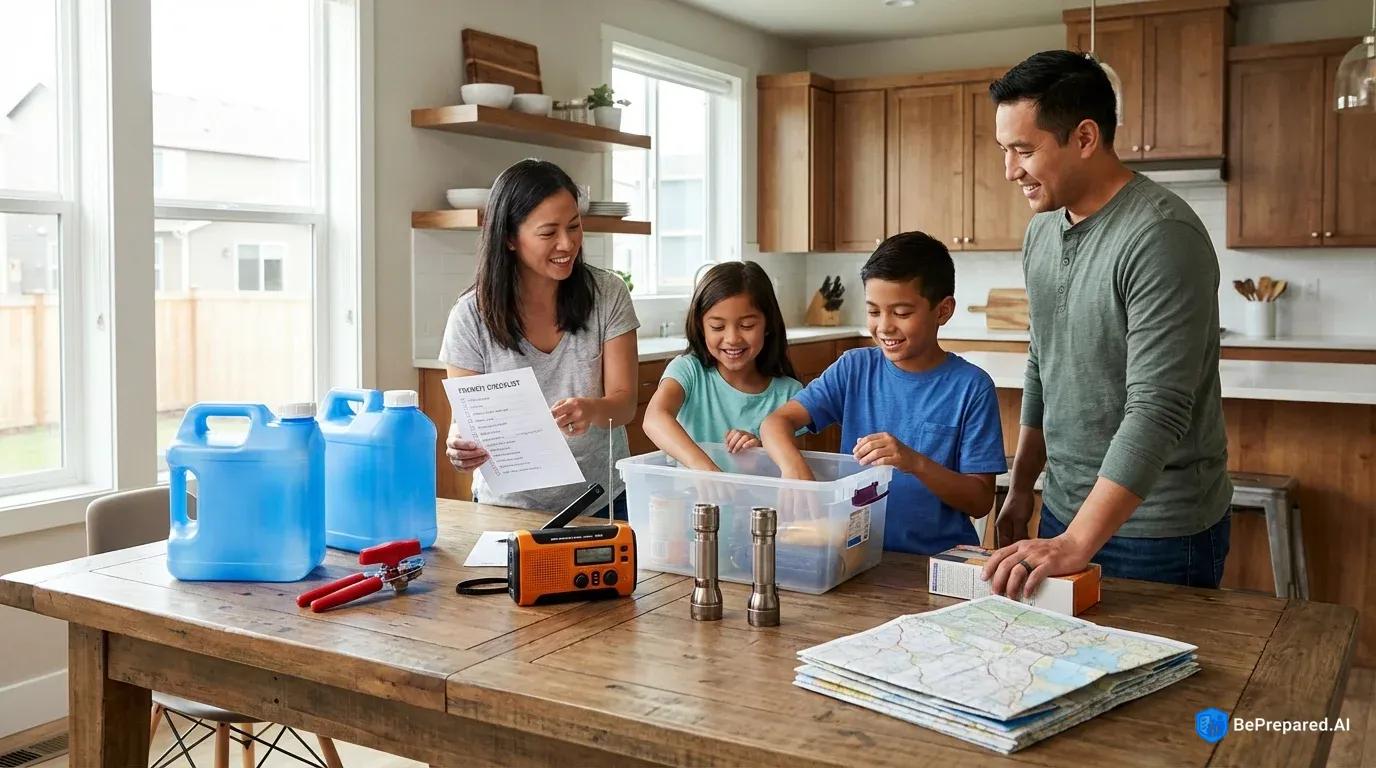
Understanding EMPs and Why You Need to Prepare
Imagine waking up one morning to find your phone completely dead—not just out of battery, but permanently fried. Your car won't start. The refrigerator has stopped humming. Even the digital clock on your microwave displays nothing but a blank screen. This isn't science fiction; it's the reality of what an electromagnetic pulse, or EMP, could do to our electronics-dependent world.
An EMP is a burst of electromagnetic energy powerful enough to disrupt or destroy electronic devices and electrical systems. Think of it like an invisible wave that scrambles the delicate circuits inside our modern technology. EMPs can disable electronics across continental regions , affecting everything from smartphones to power grids. The threat comes from two main sources: natural events like severe solar storms (also called coronal mass ejections) and man-made devices, including certain types of nuclear weapons detonated at high altitudes.
What makes EMPs particularly concerning is the cascading effect they create. When the electrical grid fails, it's not just about losing Netflix or your ability to charge your phone. Water treatment facilities stop pumping. Gas stations can't operate their pumps. Hospitals lose power. EMPs can disrupt, degrade, and damage technology and critical infrastructure systems . Recovery from a significant EMP event could take weeks to months , depending on the extent of damage to critical infrastructure. Even a solar EMP, which happens naturally when the sun releases massive bursts of energy toward Earth, could create widespread disruption. Historical records suggest this happened in 1859 during what's known as the Carrington Event, which appears to have knocked out telegraph systems in multiple countries.
The good news? Preparing for an EMP doesn't require a massive budget or turning your home into a bunker. You can start small, focusing on the basics that will make the biggest difference for your family. Let's break this down into manageable steps that won't overwhelm you.
Ready to take the first step? Download our free EMP preparation checklist to ensure you have everything covered.
- Water Filters
- 1 portable filter per person plus backup filters. Store in cool, dry place. Check manufacturer's lifetime limits
- Protein Sources
- Canned tuna, chicken, peanut butter. 2 cans per person per week. Check seals monthly
Water and Food Essentials
When the power grid goes down, the first domino to fall is often your water supply. Municipal water systems rely on electric pumps to maintain pressure and treatment facilities to keep water safe. Within hours of a major EMP event, you might turn on your tap to find nothing but a trickle, then silence. That's why water storage isn't just recommended—it's essential for survival.
Water Storage Requirements
The baseline rule is simple: store at least one gallon of water per person per day, and plan for a minimum of three days . That means a family of four needs twelve gallons just to cover the basics. But here's the reality check—three days is the bare minimum. Given that recovery from a significant EMP event could take weeks to months , serious preppers aim for a two-week supply at minimum, with many storing enough for thirty days or longer.
Store-bought bottled water offers the easiest solution. When stored properly in a cool, dark location, bottled water stays safe to drink for extended periods. Mark the purchase date on cases with a permanent marker so you can rotate your stock regularly. Beyond commercial bottles, food-grade water containers ranging from five-gallon jugs to fifty-five-gallon drums provide economical long-term storage. Always choose containers specifically labeled as food-grade—using repurposed containers that once held chemicals or other substances can contaminate your drinking water.
Don't forget water purification methods for when your stored supply runs low. Water purification tablets, portable filters, and even knowing how to boil water properly (a rolling boil for at least one minute) can turn questionable water sources into safe drinking water. These backup methods weigh almost nothing and cost very little, but they could save your life.
Food Preparation Without Power
Your fully stocked pantry becomes significantly less useful when your electric stove, microwave, and can opener won't function. Building an EMP-resistant food supply means thinking beyond what you store to how you'll actually prepare it. Canned goods form the foundation of any emergency food stockpile—they're shelf-stable, nutritious, and familiar. But you'll need manual can openers to access them, and it's worth buying several since they're inexpensive and can break or get misplaced.
Focus on foods that require minimal or no cooking: canned beans, vegetables, fruits, tuna, chicken, and ready-to-eat soups. Peanut butter, crackers, dried fruits, nuts, and granola bars provide quick nutrition without any preparation. For foods that do require heating, invest in non-electric cooking methods like camping stoves that run on propane or butane, or learn to use a simple rocket stove that burns twigs and small branches.
Store matches and lighters in waterproof containers—multiple sets in different locations. You might also consider learning to start fires without matches as a backup skill. Store extra fuel for your camping stove, but always follow safety guidelines for fuel storage. Keep fuel containers away from living spaces and out of direct sunlight.
Comfort foods matter more than you might think during stressful times. Include some treats in your stockpile—hard candy, hot chocolate mix, or your family's favorite snacks. These small luxuries can boost morale when everything else feels uncertain and difficult.
Light and Communication Tools
The sun sets on day one of an EMP event, and suddenly you're facing a darkness more complete than most modern people have ever experienced. No streetlights. No glow from neighbors' windows. No phone screen to light your way. This is when your lighting strategy becomes critical, and understanding your options can mean the difference between stumbling dangerously in the dark and maintaining some semblance of normalcy.
Comparing Lighting Options
Traditional incandescent flashlights work, but LED technology has revolutionized emergency lighting. LED flashlights consume significantly less power than traditional bulbs while producing more light. Many models can run for extended periods on a single set of batteries, making them far more efficient than older technologies. Even better, many LED lanterns provide 360-degree illumination perfect for lighting an entire room, whereas flashlights create narrow beams.
However, here's the catch: any battery-powered device could potentially fail during an EMP, which is why diversification matters. Don't put all your eggs in one basket. Have multiple types of lighting available so you're not left in the dark if one system fails.
Candles and oil lamps represent completely EMP-proof lighting, though they come with fire risks that require vigilance. A quality oil lamp with proper lamp oil burns cleanly and can provide light for hours. Candles are cheaper but burn faster. Never leave open flames unattended, and keep them away from curtains, papers, and anything flammable. Teach children to respect these light sources and establish clear safety rules.
Solar-powered lights with rechargeable batteries offer a middle ground—if stored in a Faraday cage (more on that shortly), they survive the initial pulse and then provide renewable lighting as long as the sun shines. Small solar garden lights can be brought inside at night to provide gentle illumination. Larger solar lanterns designed for camping offer brighter light and longer run times.
Stock up on batteries in various sizes. Buy quality batteries from reputable brands and store them in a cool, dry place. Battery life degrades over time, so rotate your stock every few years. Consider rechargeable batteries paired with a solar charger for a sustainable long-term solution.
Communication and Information Access
When cell towers are down and the internet is gone, how do you get information about what's happening or when help might arrive? Hand-crank emergency radios solve this problem brilliantly. These devices require no batteries or external power—just a few minutes of cranking generates enough electricity to listen for emergency broadcasts.
Many models combine AM/FM radio with NOAA weather band access, and some include built-in flashlights and USB ports to charge small devices. The NOAA weather radio function is particularly valuable because government agencies use these channels to broadcast emergency information, evacuation orders, and recovery updates.
Two-way radios (walkie-talkies) allow communication between family members if you get separated. Choose models with a decent range—at least two miles in optimal conditions, though buildings and terrain will reduce this. Establish a communication plan with your family before any emergency occurs. Decide on specific times to check in, which radio channels to use, and backup meeting locations if you can't reach each other.
Consider learning about ham radio if you want to take communication preparedness to the next level. Ham radio operators can communicate across vast distances without relying on any infrastructure. Getting licensed requires passing a test, but the knowledge and capabilities you gain are substantial.
Faraday Cage Protection
A Faraday cage blocks electromagnetic fields, protecting electronics stored inside from EMP damage . You can purchase commercial Faraday bags or create your own using a metal garbage can with a tight-fitting lid, lined with cardboard or foam to prevent contents from touching the metal directly.
Store backup electronics like a spare hand-crank radio, walkie-talkies, or even a basic tablet loaded with downloaded survival guides. The key is ensuring the container is completely sealed—any gaps compromise the protection. Test your homemade Faraday cage by placing a cell phone inside and calling it. If the phone rings, your cage isn't blocking signals effectively.
What should you protect in a Faraday cage? Think about items that would be difficult or impossible to replace: a backup radio, spare walkie-talkies, a solar charger, a basic calculator, and perhaps a small tablet or e-reader loaded with important documents and reference materials. You might also include a spare car key fob if your vehicle uses electronic keys.
Remember that items in a Faraday cage are only protected while they're inside. You can't use them and protect them simultaneously. That's why having duplicates makes sense—one set for immediate use and one set safely stored for after the EMP event.
First Aid and Medical Supplies
Medical emergencies don't pause for disasters. In fact, they often increase during crisis situations when people are stressed, working with unfamiliar tools, or navigating in darkness. When ambulances can't respond and hospitals are overwhelmed or unreachable, your first aid kit becomes your primary medical resource.
Essential Medical Supply Checklist
Your first aid kit should include:
- Wound care basics: Adhesive bandages in various sizes, sterile gauze pads, medical tape, antibiotic ointment, and antiseptic wipes
- Trauma supplies: Larger wound dressings, rolled gauze, elastic bandages for sprains, and a tourniquet for severe bleeding
- Medications: Pain relievers (acetaminophen, ibuprofen), anti-diarrheal medicine, antihistamines for allergic reactions, and antacids
- Tools and instruments: Scissors, tweezers, thermometer (non-digital), safety pins, and disposable gloves
- Specialized items: Burn gel or dressings, eye wash solution, and cold packs
Beyond the basic supplies, prescription medications deserve special attention. Medical professionals often suggest maintaining at least a thirty-day supply of essential medications when possible , though getting insurance companies to approve this can be challenging. Talk with your doctor about your preparedness concerns—many are willing to write prescriptions that allow for a larger supply.
Store medications in their original containers with clear labels, and track expiration dates carefully. Create a simple spreadsheet or notebook entry for each medication listing the expiration date and when you need to refill it. Set reminders on your calendar to rotate medications before they expire.
Don't forget about over-the-counter medications that treat common ailments. Stock up on cold medicine, cough syrup, allergy medication, and stomach remedies. Include children's versions if you have kids, as adult formulations may not be appropriate for them.
Knowledge matters as much as supplies. A first aid manual provides crucial guidance when you're facing an injury you've never treated before. Consider taking a basic first aid and CPR course—the skills you learn could save a family member's life when professional medical help isn't available. Organizations like the American Red Cross offer these courses regularly, and the hands-on training builds confidence that reading alone cannot provide.
Practice using items in your first aid kit before an emergency happens. Know how to apply a tourniquet properly, how to dress a wound, and how to recognize signs of shock or serious injury. This hands-on familiarity means you won't be fumbling with unfamiliar supplies during a stressful emergency.
Special Medical Considerations
If someone in your family has specific medical needs, plan accordingly. Diabetics need insulin storage solutions and blood sugar monitoring supplies. People with asthma need backup inhalers. Those with severe allergies should have multiple EpiPens stored safely. Individuals who use medical devices like CPAP machines or oxygen concentrators need to discuss backup plans with their doctors.
Keep a written list of everyone's medical conditions, allergies, current medications, and dosages. Include doctor contact information and pharmacy details. This information becomes critical if you need to seek emergency medical care or explain someone's needs to first responders.
Documents and Financial Preparation
Picture this scenario: the EMP has passed, and you need to prove your identity to receive emergency assistance, access your bank accounts once systems come back online, or verify your property ownership. But all your documents were stored digitally on your dead computer, or the physical copies are in a safe deposit box at a bank you can't access because their electronic locks won't open. This is why document preparation is a critical yet often overlooked aspect of EMP readiness.
Step 1: Identify Critical Documents
Start by gathering copies of essential documents: government-issued IDs (driver's licenses, passports), birth certificates, Social Security cards, marriage licenses, property deeds, vehicle titles, insurance policies, and medical records. Include recent photos of family members, especially children whose appearances change quickly. Don't forget pet vaccination records if you have animals—evacuation shelters often require proof of rabies vaccination.
Bank account information, credit card details, and investment account statements should also be documented. You don't need every monthly statement, but having recent account numbers and contact information for your financial institutions will help when systems come back online.
Step 2: Create Physical Copies
Make photocopies or print digital documents. While digital backups stored on a USB drive in a Faraday cage provide one layer of protection, physical paper copies work even when no electronics are available. Consider having both color and black-and-white copies, as color can be important for IDs.
Create a simple binder or folder system that organizes documents logically. Label sections clearly: Identification, Medical, Financial, Property, Insurance, and so on. This organization saves precious time when you're stressed and need to find something quickly.
Step 3: Secure Storage
Invest in waterproof, fireproof document storage containers. These protect against more than just EMP—floods, fires, and other disasters can destroy paper records just as thoroughly . Store these containers in an easily accessible location that you can grab quickly if you need to evacuate.
Some families keep one set at home and another with a trusted family member or friend in a different geographic area. This geographic separation means that a localized disaster won't destroy all your backup documents. Choose someone you trust completely and who lives far enough away that the same disaster won't affect both locations.
Step 4: Prepare Emergency Cash
When electronic payment systems fail, cash becomes king. ATMs won't work, credit card readers won't function, and banks may be closed or unable to access accounts. Having cash on hand is essential when electronic payment systems are unavailable . Keep several hundred dollars in small bills—ones, fives, tens, and twenties.
Large bills become problematic when vendors can't make change. If you try to buy a few bottles of water with a hundred-dollar bill, the seller probably can't break it, and you might lose the sale. Smaller denominations give you flexibility and make transactions smoother.
Store this cash securely but separately from your daily wallet so it remains untouched until truly needed. A fireproof safe at home works well. Some people divide their emergency cash into multiple hiding spots in case one location is compromised. Never tell people outside your immediate family about your cash storage locations.
Consider keeping some coins as well. Quarters are particularly useful for vending machines or pay phones if those systems still function. Coins also work for small purchases when even a one-dollar bill is too much.
Step 5: Compile Contact Information
Write down important phone numbers and addresses in a physical notebook. Your smartphone's contact list won't help when the phone is dead. Include family members, friends, your doctor, insurance agents, and local emergency services. Add out-of-state contacts too—after regional disasters, long-distance calls sometimes work when local lines are jammed.
Create a family communication plan that everyone understands. Designate an out-of-state relative or friend as a central contact point. If family members get separated, everyone calls this person to check in and share their location. This strategy works because long-distance lines often remain functional when local networks are overloaded.
Include important account numbers in your written records: insurance policy numbers, bank account numbers, and credit card customer service numbers. You might need these to report problems, file claims, or access your accounts through non-electronic means.
The peace of mind that comes from having these documents and resources prepared is invaluable. You've created a safety net that protects your family's ability to recover and rebuild, no matter what challenges an EMP event might bring.
Taking Your First Steps
Preparing for an EMP doesn't mean you need to do everything at once. Start with one category—maybe water storage or building a basic first aid kit. Master that, then move to the next area. Each step you take makes your family safer and more resilient.
The goal isn't perfection. The goal is progress. Even having three days of water and food puts you ahead of most people. Adding a hand-crank radio and some backup lighting makes you even more prepared. Building up your supplies gradually, as your budget allows, creates a solid foundation without overwhelming your finances or your living space.
Remember that these preparations serve you well for many types of emergencies, not just EMPs. Power outages, severe storms, earthquakes, and other disasters all become more manageable when you have water, food, light, medical supplies, and important documents ready to go. You're not preparing for one specific scenario—you're building general resilience that protects your family no matter what challenges come your way.
Start today with one simple action. Buy a case of bottled water, or pick up a hand-crank radio, or make copies of your important documents. That single step puts you on the path to preparedness, and each additional step makes you stronger and more confident. You've got this.