Understanding Home Quarantine: What You Need to Know
Picture this: You've just received a phone call informing you that you've been exposed to someone who tested positive for an infectious disease. Your mind races with questions. Do you need to stay home? For how long? What's the difference between quarantine and isolation anyway? These moments can feel overwhelming, but here's the good news: understanding the basics of home quarantine transforms confusion into confidence. You don't need to figure everything out at once—just take it one step at a time.
Quarantine and isolation might sound interchangeable, but they serve distinct purposes in disease prevention. Quarantine applies when you've been exposed to a contagious illness but aren't showing symptoms yet. Think of it as a precautionary waiting period—you're separating yourself from others because you might become sick. Isolation, on the other hand, is for people who have already tested positive or are actively showing symptoms. They're definitely contagious and need to stay away from others to prevent spread .
The CDC recommends a minimum 5-day quarantine period for most infectious diseases, though this timeline can vary depending on the specific illness and your vaccination status . This timeframe isn't arbitrary—it's based on careful study of how long symptoms typically take to appear after exposure. During these critical days, you're preventing potential disease spread before symptoms even show up. Many people are most contagious right before they start feeling sick, which makes this waiting period so valuable.
Understanding when quarantine becomes necessary helps you respond quickly and appropriately. Common triggers include close contact with someone who tested positive. Close contact is defined as being within 6 feet for 15 minutes or more . Other triggers include returning from travel to high-risk areas or receiving direct notification from health authorities. The basic principle remains consistent: temporarily separate yourself from others to break the chain of transmission. This simple act of staying home can prevent dozens of additional exposures. You become an active participant in community health protection rather than a passive bystander.
- Food & Water
- 2-week supply of non-perishable food, 1 gallon of water per person per day
- Medical Supplies
- First aid kit, prescription medications, face masks, hand sanitizer
- Hygiene Items
- Toilet paper, soap, disinfectant wipes, personal care items (2-week supply)
- Communication
- Battery-powered radio, portable charger, extra batteries, emergency contact list
Essential Supplies for Home Quarantine
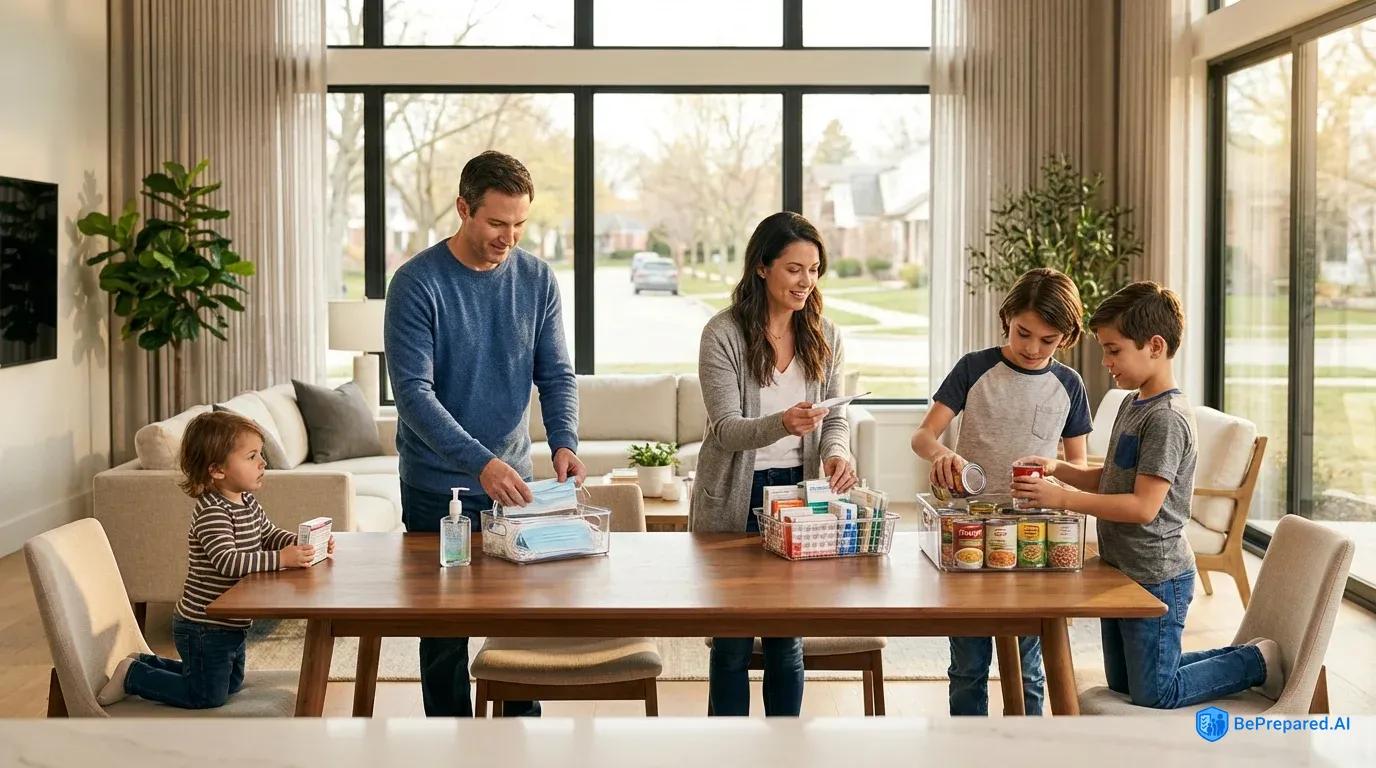
Preparing for a potential quarantine doesn't mean panic-buying everything in sight. Instead, think of it as thoughtfully stocking your home for a comfortable two-week stay without leaving your property. The goal is self-sufficiency paired with peace of mind. Start with just one category at a time—maybe pick up extra canned goods this week, then focus on medical supplies next week.
Water and Hydration:
- Store 1 gallon of water per person per day for a minimum of 14 days
- Include electrolyte drinks or powders for illness recovery
- Consider a water filter as backup
Non-Perishable Food (14-day minimum supply):
- Canned proteins: tuna, chicken, beans, chickpeas
- Grains and pasta: rice, oatmeal, whole grain pasta, quinoa
- Canned vegetables and fruits
- Nut butters, nuts, and dried fruits
- Comfort foods: crackers, cereal, soup, tea, coffee
- Shelf-stable milk or milk alternatives
Medical Supplies:
- Thermometer (digital preferred)
- Over-the-counter fever reducers (acetaminophen, ibuprofen)
- Cough suppressants and throat lozenges
- Maintain 30-day supply of prescription medications
- First aid kit basics
- Pulse oximeter for monitoring oxygen levels
Hygiene and Sanitation:
- Soap and hand sanitizer (higher alcohol content works better)
- Disinfecting wipes and sprays
- Tissues, toilet paper, paper towels
- Trash bags (designated for potentially contaminated items)
- Laundry detergent
- Personal care items (toothpaste, shampoo, deodorant)
Household Essentials:
- Pet food and supplies
- Baby formula, diapers if applicable
- Batteries, flashlights
- Phone chargers and backup power banks
- Entertainment items (books, puzzles, streaming subscriptions)
The beauty of this preparation approach is that these supplies serve you well beyond quarantine situations. They form the foundation of general emergency preparedness, useful during power outages, severe weather, or any situation that limits your ability to shop. You're not preparing for disaster—you're simply making life easier for your future self.
Ready to get organized? Download our free quarantine preparation checklist to ensure you have everything covered before you need it. Print it out, stick it on your fridge, and check off items as you go.
Setting Up Your Quarantine Space
Creating an effective quarantine space within your home requires strategic thinking about airflow, boundaries, and practical daily living. The process doesn't demand perfection—it simply needs to minimize exposure risk while maintaining your comfort and dignity during isolation. Even small apartments can work with a few creative adjustments.
Step 1: Choose Your Primary Isolation Room
Select a bedroom that ideally has its own bathroom attached. If that's not possible, choose the room farthest from common areas where other household members spend time. This room becomes your headquarters for the duration of quarantine. Move in everything you'll need for several days: clothes, chargers, entertainment, water bottles, and snacks. The fewer trips you make through shared spaces, the better you protect others in your home.
Step 2: Optimize Ventilation and Air Quality
Open windows whenever weather permits to increase fresh air circulation. Position a fan to blow air outward through the window, creating negative pressure that pulls air from the rest of the house through your room and outside. This simple physics trick prevents your exhaled air from drifting into other living spaces. If opening windows isn't possible, crack the door slightly and use a towel along the bottom to create a visual barrier while allowing some airflow. Maintaining distance from others significantly reduces transmission risk , but proper ventilation adds an extra layer of protection.
Step 3: Establish Bathroom Protocols
Use a separate bathroom if possible . This is ideal, but many homes don't offer this luxury. If you must share, designate specific times for the quarantined person to use the facilities—perhaps early morning and late evening when others are less likely to need access. After each use, thoroughly disinfect all touched surfaces: toilet handle, faucets, doorknobs, light switches, and countertops. Keep disinfecting supplies in the bathroom for immediate cleaning. Other household members should allow time before entering, giving any airborne particles a chance to settle and dissipate.
Step 4: Create Supply Exchange Zones
Designate a spot just outside your door where household members can leave meals, supplies, or medications without direct contact. A small table or chair works perfectly. Establish a simple communication system—a text message or knock pattern—to signal when something has been delivered or picked up. This no-contact exchange system protects your loved ones while ensuring you receive necessary items throughout your quarantine period. Some families even find this system kind of fun, like a game of secret agent supply drops.
Daily Routines and Monitoring
Sarah's quarantine experience started with uncertainty, but by day three, she'd established a rhythm that made the time pass more smoothly and kept her healthcare provider well-informed. Each morning began the same way: before even getting out of bed, she reached for her thermometer and recorded her temperature in a simple notebook. This twice-daily ritual became her most important health task.
Symptom tracking transforms from abstract recommendation into powerful tool when you understand its purpose. Your body tells a story through subtle changes, and consistent monitoring helps you catch the plot twists early. Beyond temperature, Sarah noted her energy levels, any new aches or pains, changes in taste or smell, and breathing comfort. She used a simple rating scale of 1-10 for subjective symptoms, which helped her notice trends. When her fatigue jumped from a 3 to a 7 over two days, she had concrete data to share with her doctor rather than vague feelings.
Check temperature twice daily - morning and evening . This provides the most accurate picture of your body's response. Fever often spikes in late afternoon or evening, so a single morning check might miss important changes. Sarah kept her thermometer, notebook, and pen on her nightstand, making the routine effortless. She also tracked her oxygen saturation using a pulse oximeter, a small device that clips onto your finger. Consistent readings offered reassurance, while any concerning dips would trigger an immediate call to her healthcare provider.
Communication with healthcare providers shifts from occasional to essential during quarantine. Sarah's doctor had given her clear parameters: report worsening symptoms immediately, especially difficulty breathing, persistent chest pain, confusion, or inability to stay awake . She saved the office number and after-hours nurse line in her phone favorites. On day five, when her cough intensified, she didn't hesitate to call. The nurse appreciated her detailed symptom log, which enabled a quick assessment over the phone rather than requiring an in-person visit that would risk exposing others.
The mental health aspect of quarantine surprised Sarah more than the physical challenges. Isolation weighs heavily, even for introverts. She scheduled daily video calls with friends, not just quick check-ins but actual conversations over virtual coffee. She moved her yoga mat near the window for morning stretches in natural light. She discovered that maintaining some semblance of normal routine—showering, changing into day clothes rather than staying in pajamas, eating meals at regular times—preserved her sense of normalcy and purpose.
Entertainment became survival strategy rather than mere distraction. Sarah alternated between stimulating activities (learning a new language through an app, tackling challenging puzzles) and restful ones (audiobooks, gentle music, meditation apps). She avoided the trap of doomscrolling news and social media, which amplified anxiety rather than relieving it. Instead, she set specific times to check updates, then deliberately shifted focus to activities within her control.
Physical movement matters too, even in a small space. Sarah did simple exercises: stretching, bodyweight squats, dancing to favorite songs. Movement boosted her mood and helped her sleep better at night. She also made sure to get natural light exposure, sitting by the window during the day to help maintain her body's natural rhythms.
Nutrition sometimes fell by the wayside when Sarah felt lousy, but she learned that small, frequent snacks worked better than forcing full meals. She kept easy options nearby: crackers, fruit cups, granola bars. Staying hydrated became a game—she challenged herself to finish a water bottle by certain times of day. These small wins added up to better overall wellbeing.
Your quarantine experience will differ from Sarah's, but the principles remain constant: monitor consistently, communicate proactively, and care for your whole self—body and mind. These days at home serve a vital purpose in protecting your community. Establishing supportive routines makes them manageable rather than miserable. Remember, you're not locked away—you're taking a powerful step to keep others safe. That's something to feel good about, even when the days feel long.