Chemical Biologic Radioactive or Nuclear Event
10 articles
A CBRN event is a release of dangerous chemical, biological, radiological or nuclear material, by accident or on purpose, such as an industrial chemical spill or a radiation leak. If officials warn of one near you, get inside, close windows, shut off fans that pull in outside air, and follow their instructions on staying or leaving.
A Chemical Biologic Radioactive or Nuclear Event emergency. Focus on protection, evacuation, and decontamination procedures.
Updated
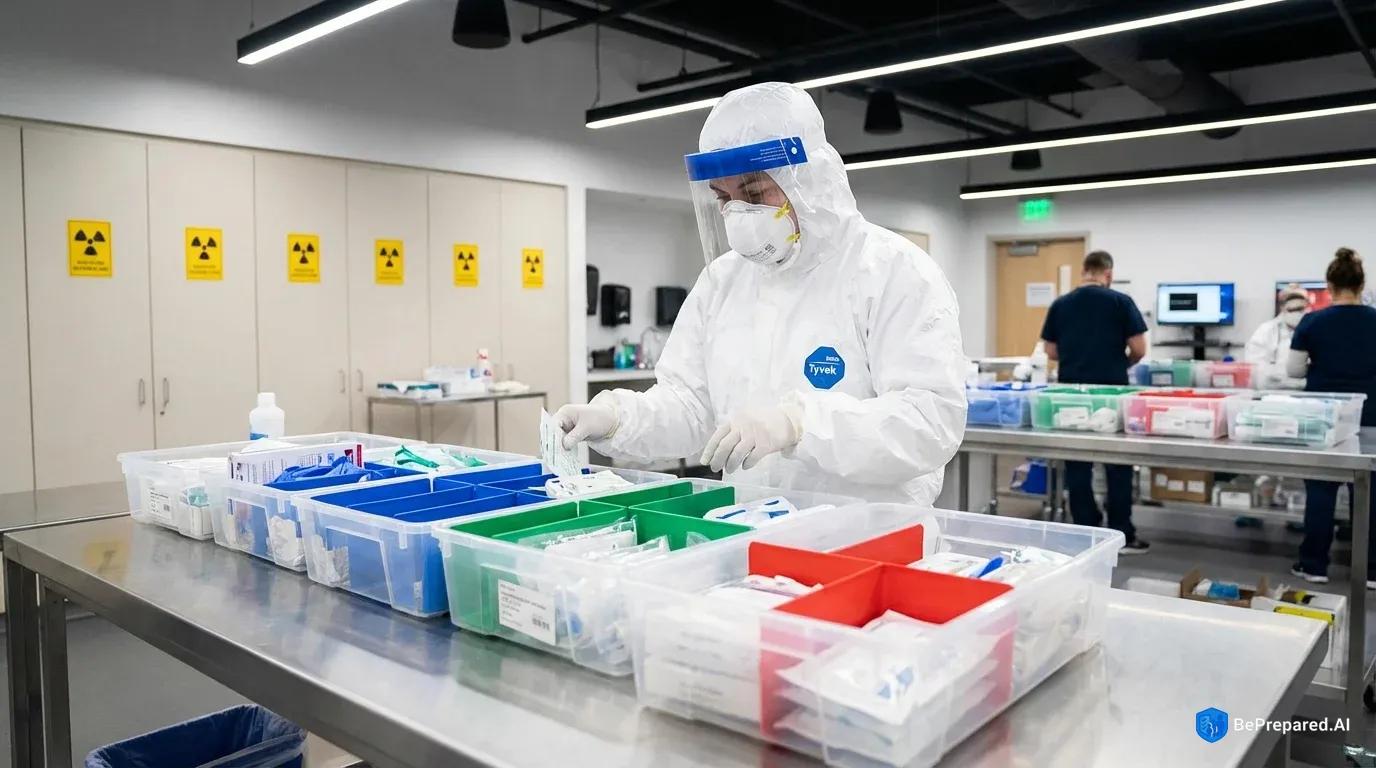
Nuclear Event Medical Supply Checklist
Radiation victims need contradictory treatments simultaneously—wounds demand immediate care while contamination spreads unseen. Professional-grade supply protocols for managing this medical paradox.

Nuclear Emergency Preparedness: The Complete Home Protection Guide
Most shelter-in-place plans fail within the first 30 minutes. This operator's guide covers the critical decisions that determine survival during nuclear emergencies.

Communication Plans for Nuclear Emergencies
Cell towers fail exactly when families need them most. Build communication systems that work when nuclear emergencies destroy conventional networks.
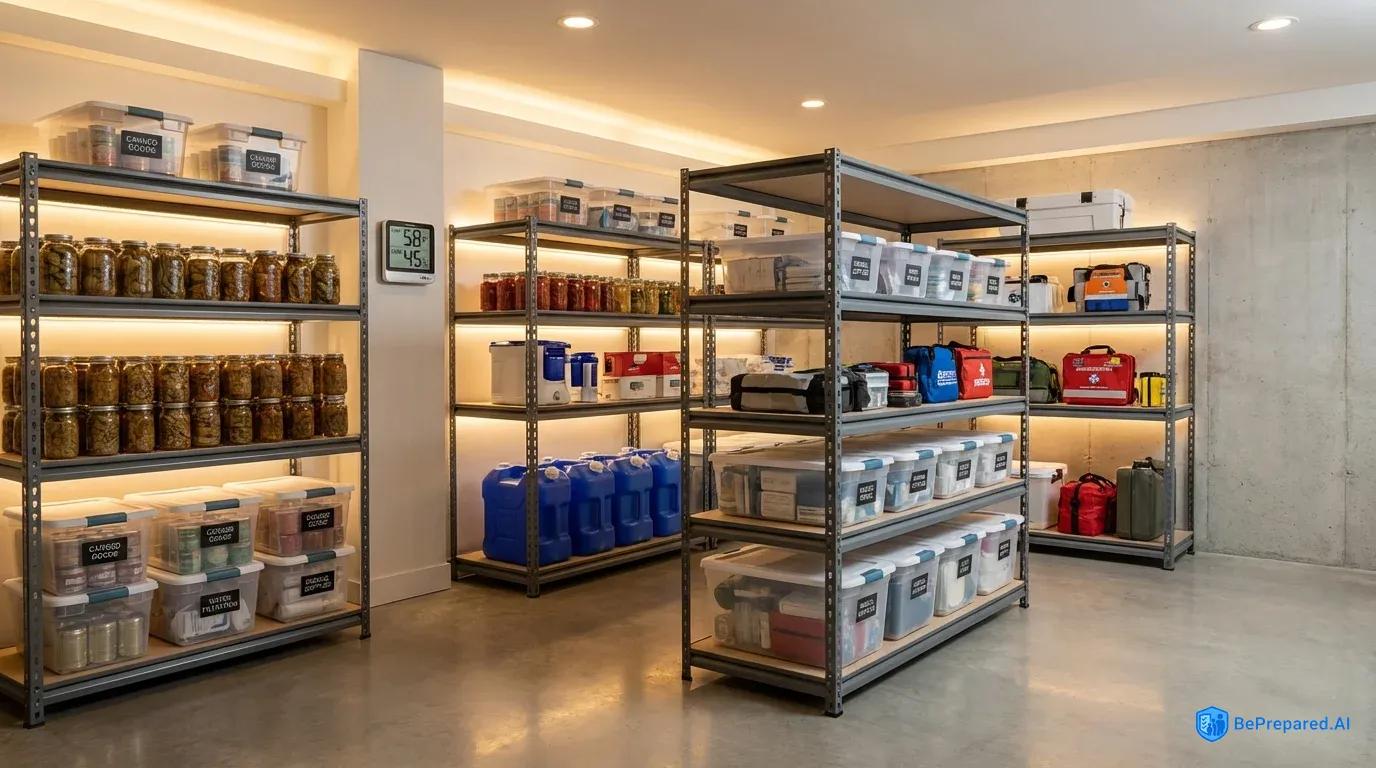
Nuclear Emergency Food Storage: Complete Checklist
Sealed packaging blocks radiation better than expensive survival kits. Your complete 14-day nuclear shelter food checklist with FEMA-aligned requirements.
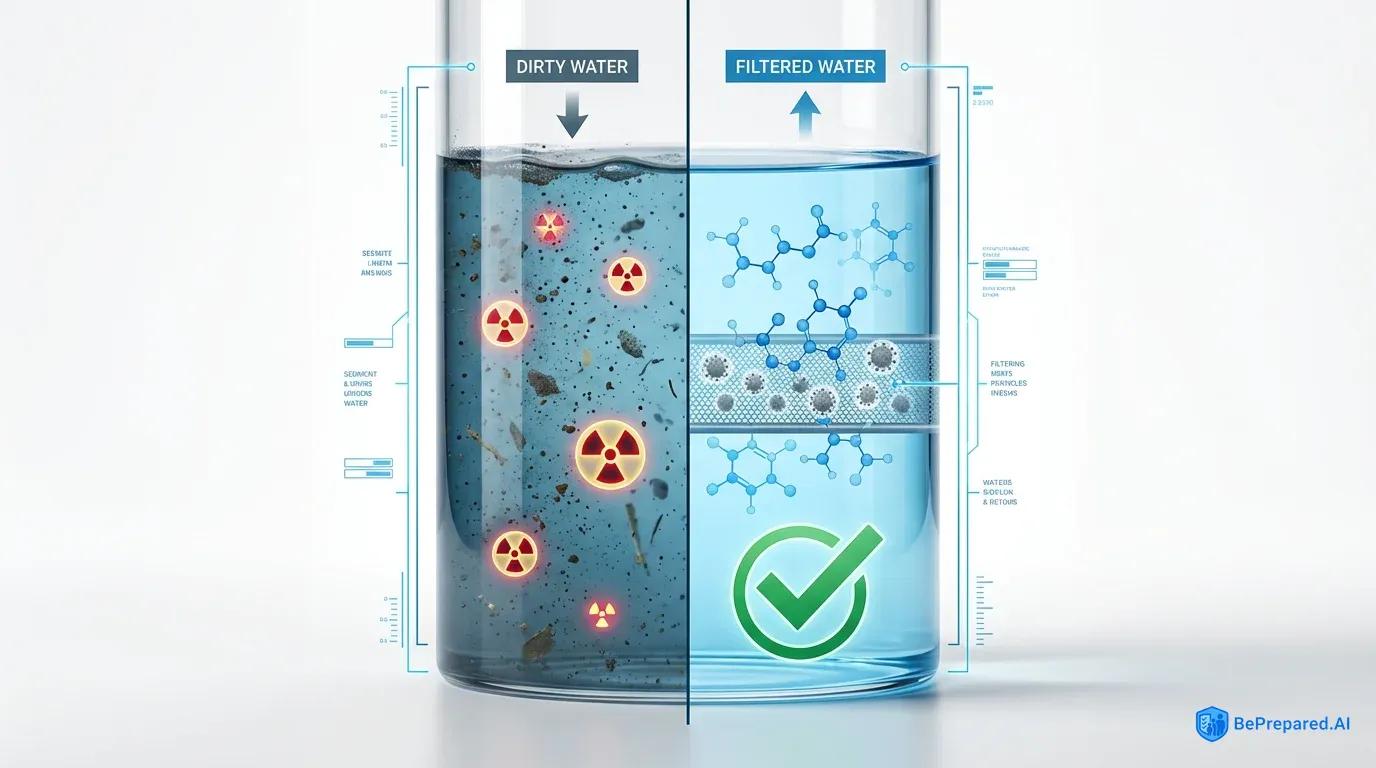
Nuclear Emergency Water Purification Methods Compared
Most water filters can't remove radioactive particles. This technical comparison reveals which purification methods actually work against fallout contamination.
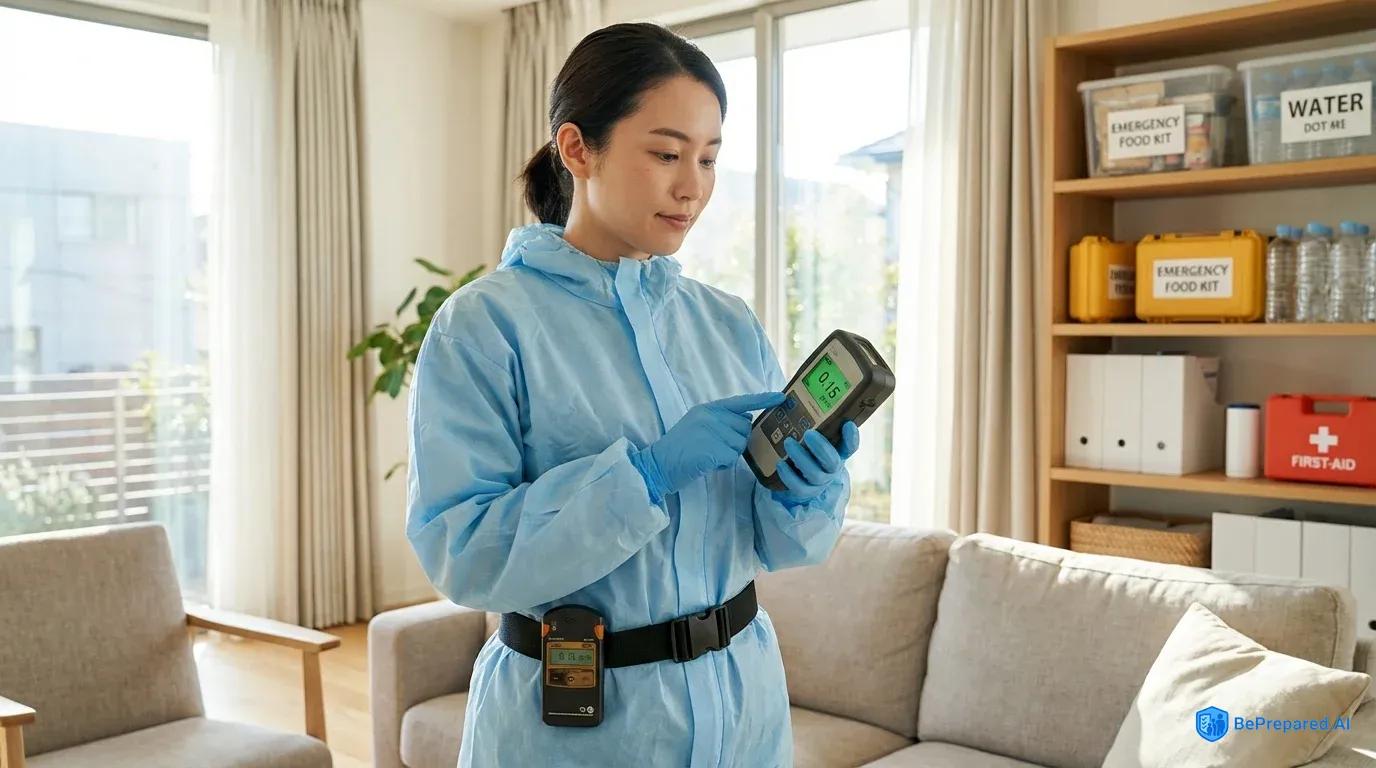
Radiation Detection Equipment Guide for Home Preparedness
Government radiation alerts arrive hours too late during nuclear events. Professional-grade detection equipment provides the real-time data that shapes survival decisions.

How to Read and Interpret Radiation Detector Readings
Your Geiger counter's readings are meaningless without conversion knowledge. Technical breakdown of rems, rads, sieverts, and grays for accurate exposure assessment.
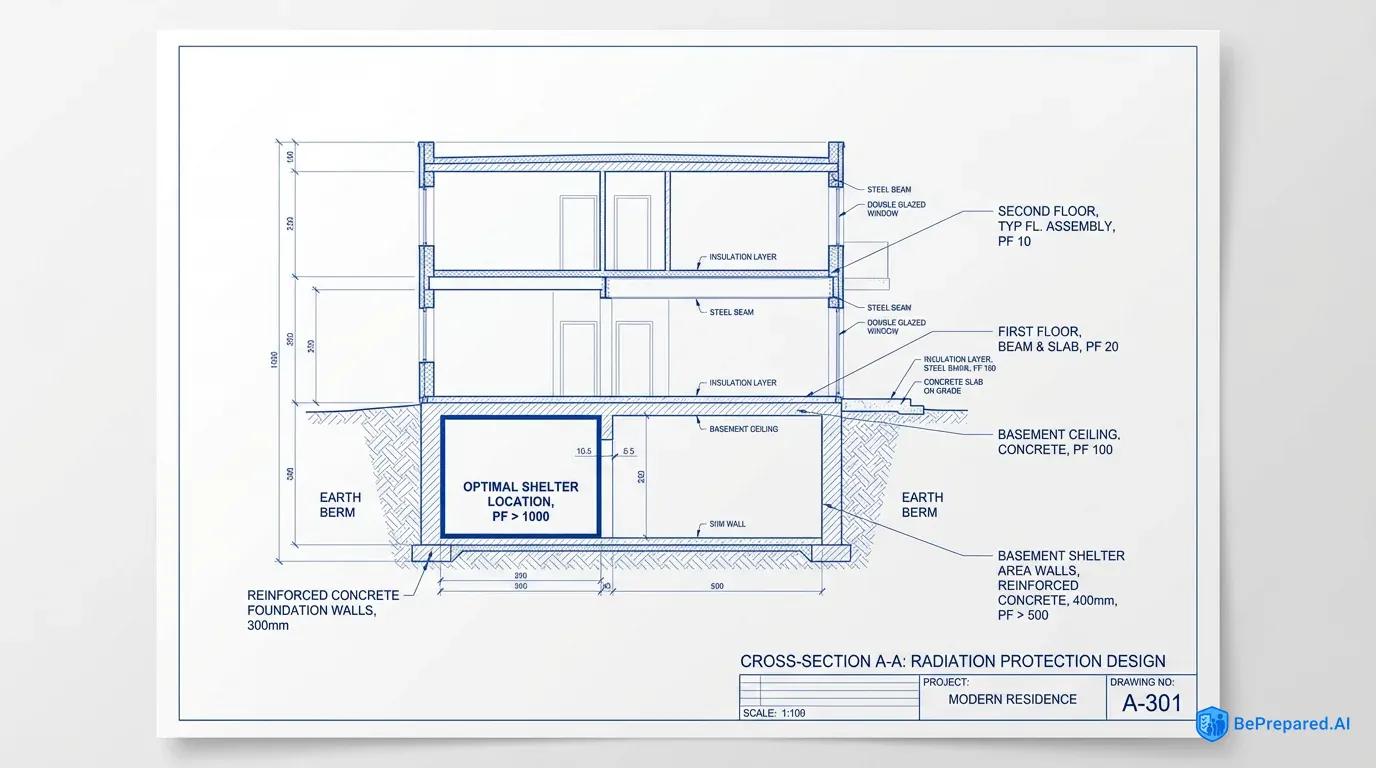
How to Build a Fallout Room: Step-by-Step Guide
Your basement won't save you from gamma radiation without precise engineering. Calculate protection factors and build shelter-grade shielding using physics-based methodology.
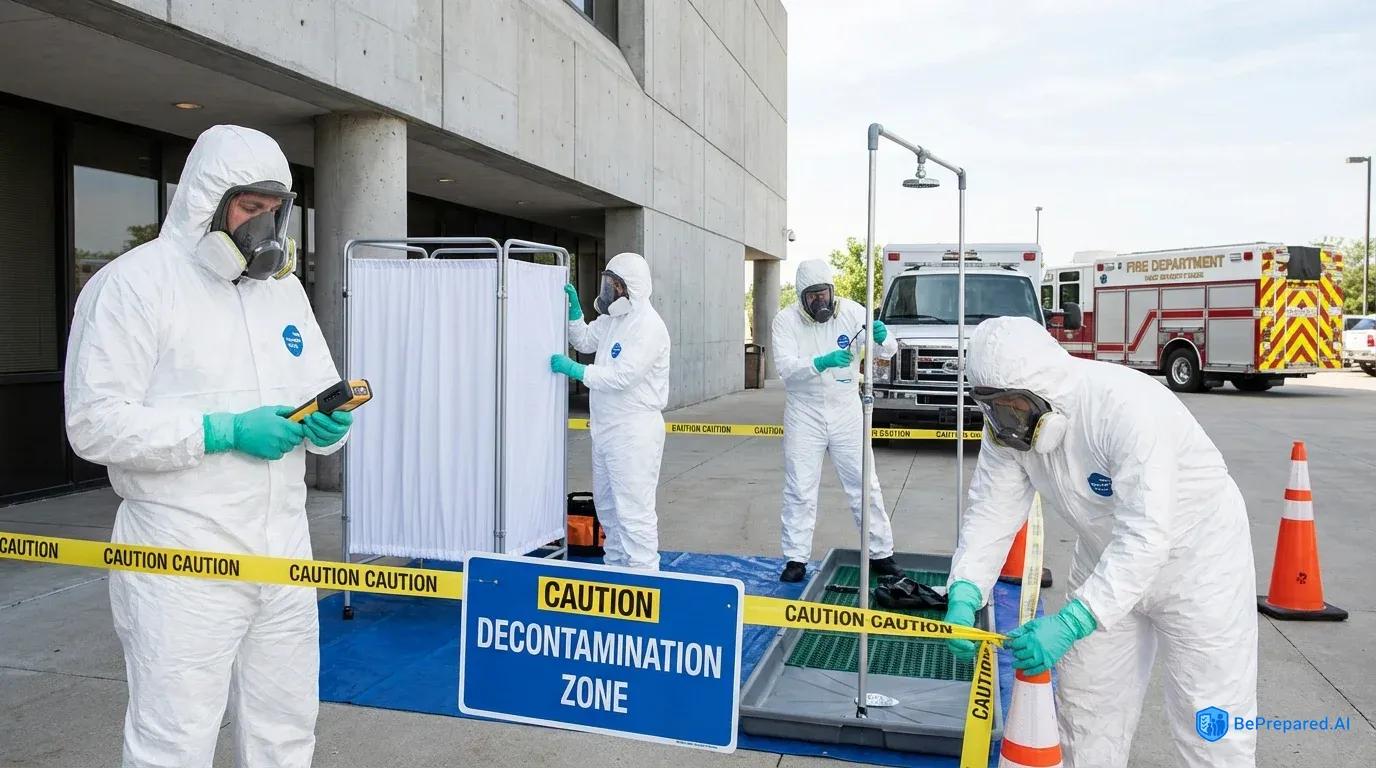
Decontamination Procedures for Nuclear Fallout
Most decontamination protocols fail because they ignore particle adhesion physics. Professional-grade procedures that reduce radiation exposure from external contamination by 90%.
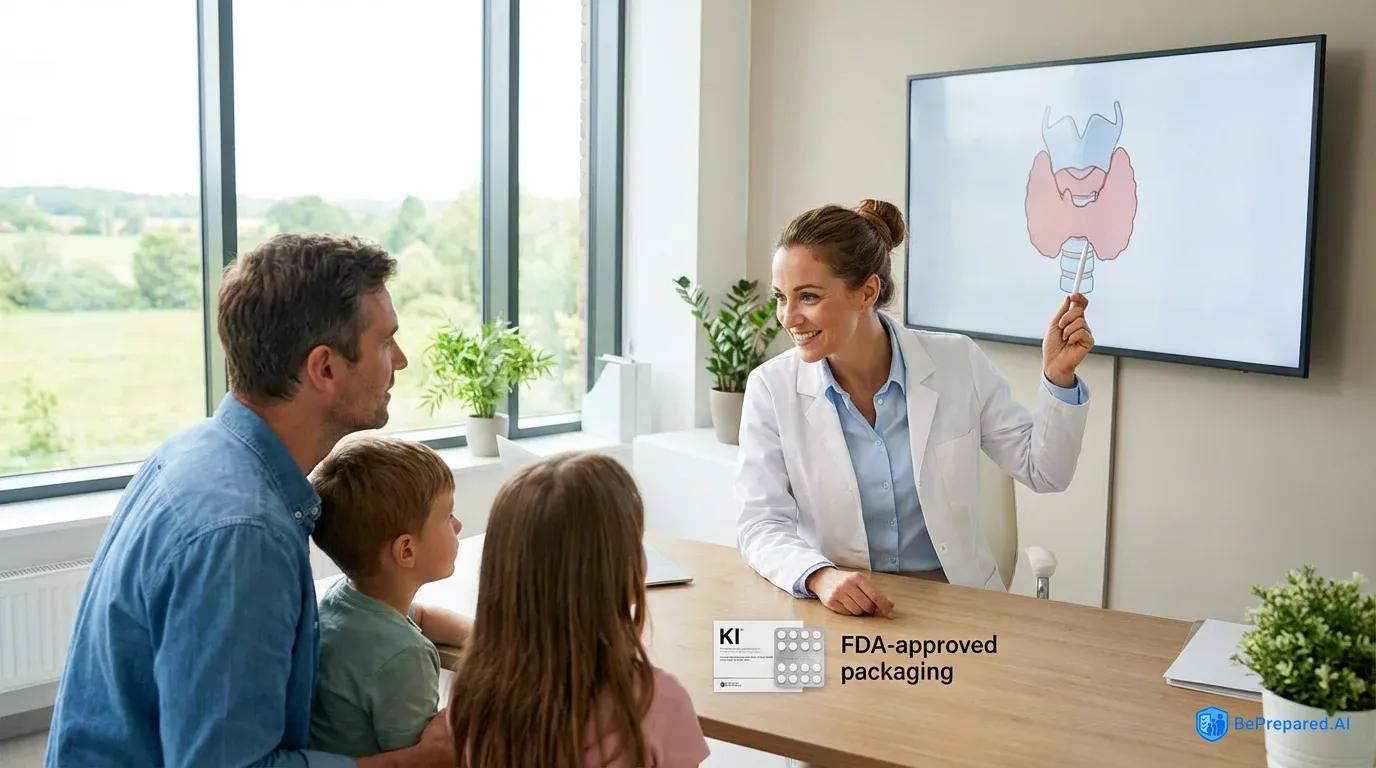
Potassium Iodide: Complete Guide for Nuclear Preparedness
Most people think potassium iodide shields against all radiation—it doesn't. Understanding what KI actually protects (and what it misses) could save your family.
Ready to stock up? See our Chemical Biologic Radioactive or Nuclear Event kits.
What should we do if officials announce a radiation emergency?
Get inside the nearest sturdy building, stay inside, and stay tuned for official instructions. Ready.gov calls this the best way to stay safe in any radiation emergency, from a power plant accident to a transportation accident involving radioactive material. Move away from windows and put as many walls as possible between you and the outside. Close doors, windows and fireplace dampers, and turn off fans, air conditioners and forced-air heat that draw in outside air. Sheltering usually lasts at least 24 hours, so keep a hand-crank or battery radio tuned for updates. If you were outdoors, carefully removing your outer layer of clothing can remove up to 90 percent of radioactive material; then shower or wash with soap and water.
How do we protect ourselves if a chemical is released near our home?
Listen for official instructions and act on them right away, because some chemical releases call for sheltering indoors and others for leaving. If told to stay in, bring everyone and pets inside, close and lock exterior doors and windows, close vents and fireplace dampers, and turn off air conditioning and ventilation. Move to an interior room and seal gaps with plastic sheeting and duct tape, which Ready.gov suggests keeping in your emergency kit. If told to evacuate, go immediately. If you are outside when a release happens, move upwind of the source and find the nearest building. Some toxic chemicals have no smell, so the absence of an odor does not mean the air is safe.
When should someone take potassium iodide (KI) in a radiation emergency?
Take it only when public health or emergency response officials, or a healthcare provider, tell you to. CDC explains that KI can help block one radioactive material, radioactive iodine, from being absorbed by the thyroid. It protects only the thyroid, not other parts of the body, and it does not protect against other kinds of radioactive material. CDC also states plainly that KI will not help in a nuclear bomb emergency. Shelter remains the main protection: Ready.gov's core advice for any radiation emergency is to get inside, stay inside and stay tuned.
Sources
- Radiation Emergencies, Ready.gov (FEMA). Types of radiation emergencies including power plant and transportation accidents; get inside, stay inside, stay tuned; move away from windows and put walls between you and the outside; turn off fans and forced-air systems, close dampers; sheltering usually lasts at least 24 hours; battery or hand-crank radio; removing outer clothing removes up to 90 percent of radioactive material; wash with soap and water.
- Chemicals and Hazardous Materials Incidents, Ready.gov (FEMA). Chemical emergencies can happen during production, storage or transport; shelter or evacuate depending on instructions; close doors, windows, vents and dampers, turn off ventilation; interior room sealed with plastic sheeting and duct tape kept in the kit; evacuate immediately if told; move upwind if outside; some toxic chemicals are odorless.
- Biohazard Exposure, Ready.gov (FEMA). Biological events can be accidental or intentional.
- Potassium Iodide (KI), Centers for Disease Control and Prevention. Take KI only if instructed by public health or emergency response officials or a healthcare provider; KI blocks radioactive iodine from the thyroid only; it does not protect other body parts or against other radioactive materials; KI will not help in a nuclear bomb emergency.