Shelter in Place
11 articles
A pandemic is a disease outbreak that spreads across several countries and affects a large number of people. Gather food, water, cleaning supplies and prescription refills to last several days or weeks at home, and plan ahead for schools and workplaces closing.
A widespread disease outbreak or civil unrest requiring quarantine, social distancing, and or extended sheltering. Focus on medical preparedness and supply stockpiling.
Updated
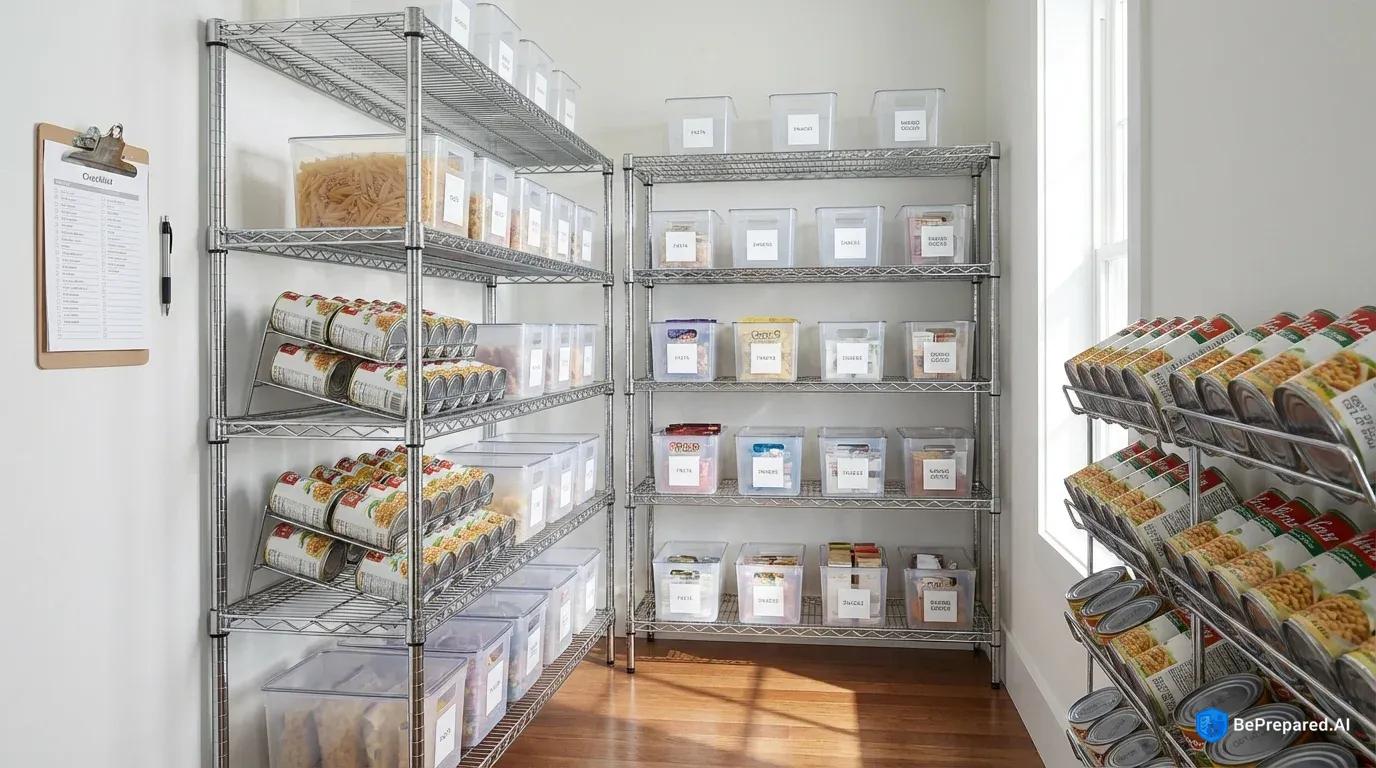
Emergency Food Rotation System Guide
A quarter of most emergency food stockpiles expire before use. Build a rotation system that keeps supplies fresh and eliminates hundreds in waste.

Mental Health During Extended Quarantine
Crying over spilled coffee after just two weeks isolated? Your brain's stress response is biology, not weakness—here's what helps.
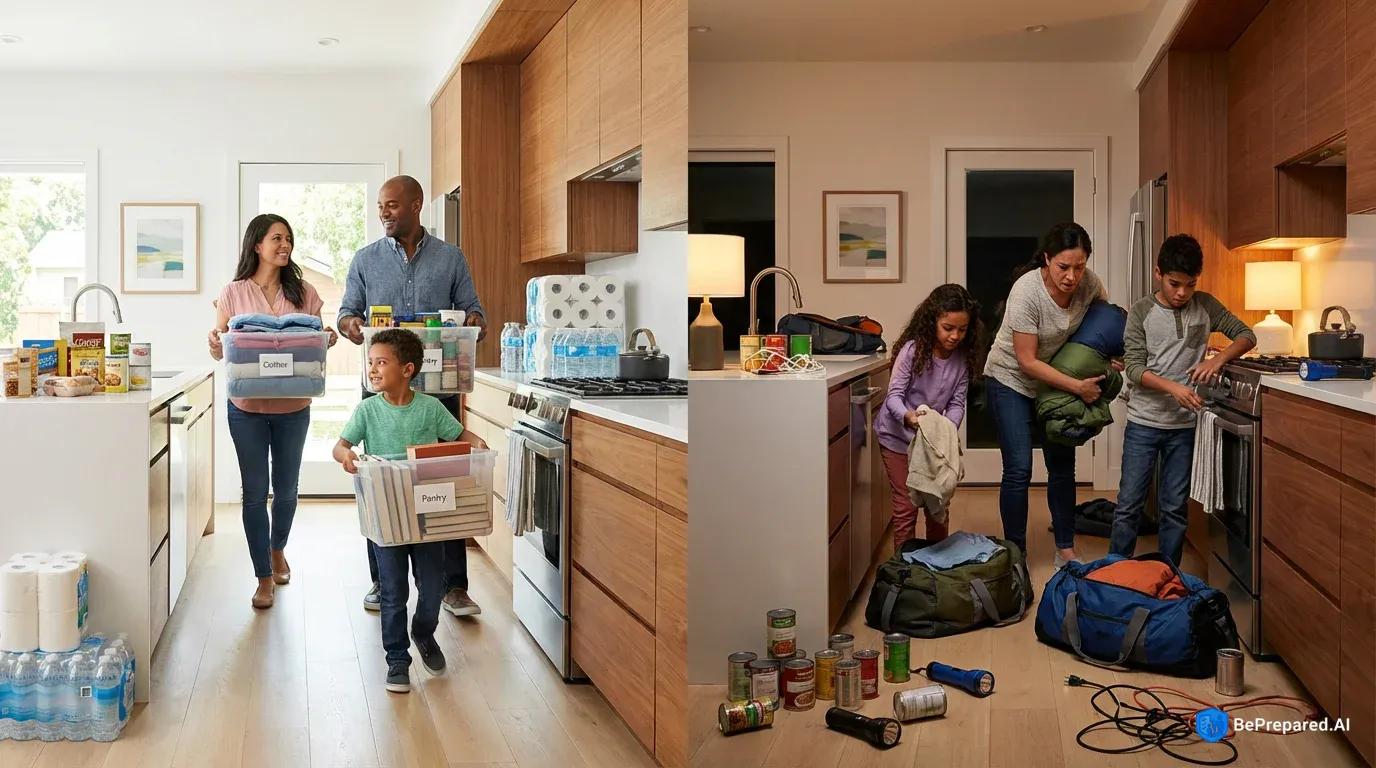
When to Start Quarantine: Decision Guide
Most people quarantine too late, spreading illness unknowingly. This decision guide shows exactly when to act after exposure—no guesswork required.
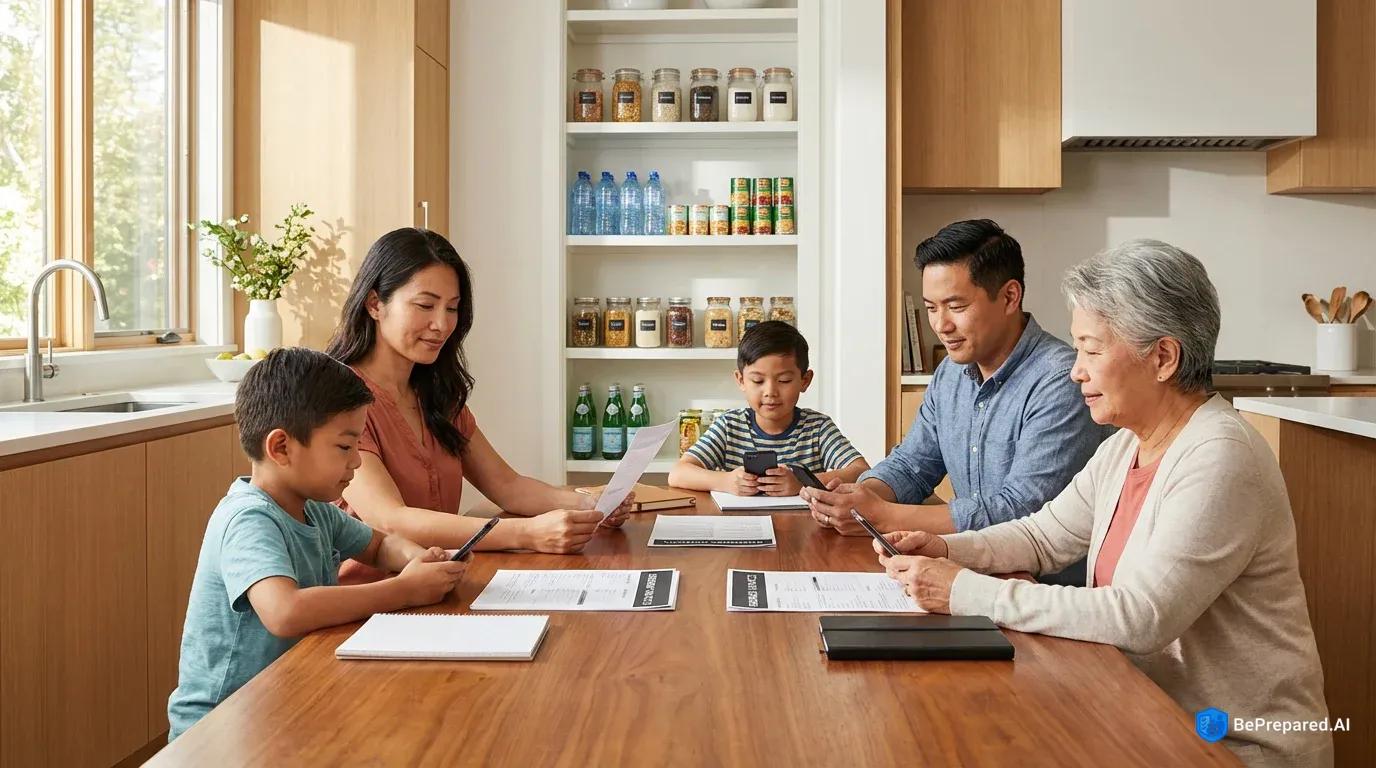
How to Create a Pandemic Communication Plan
Cell networks crashed when families needed them most in March 2020. Build a communication plan that works when phones don't—in one afternoon.
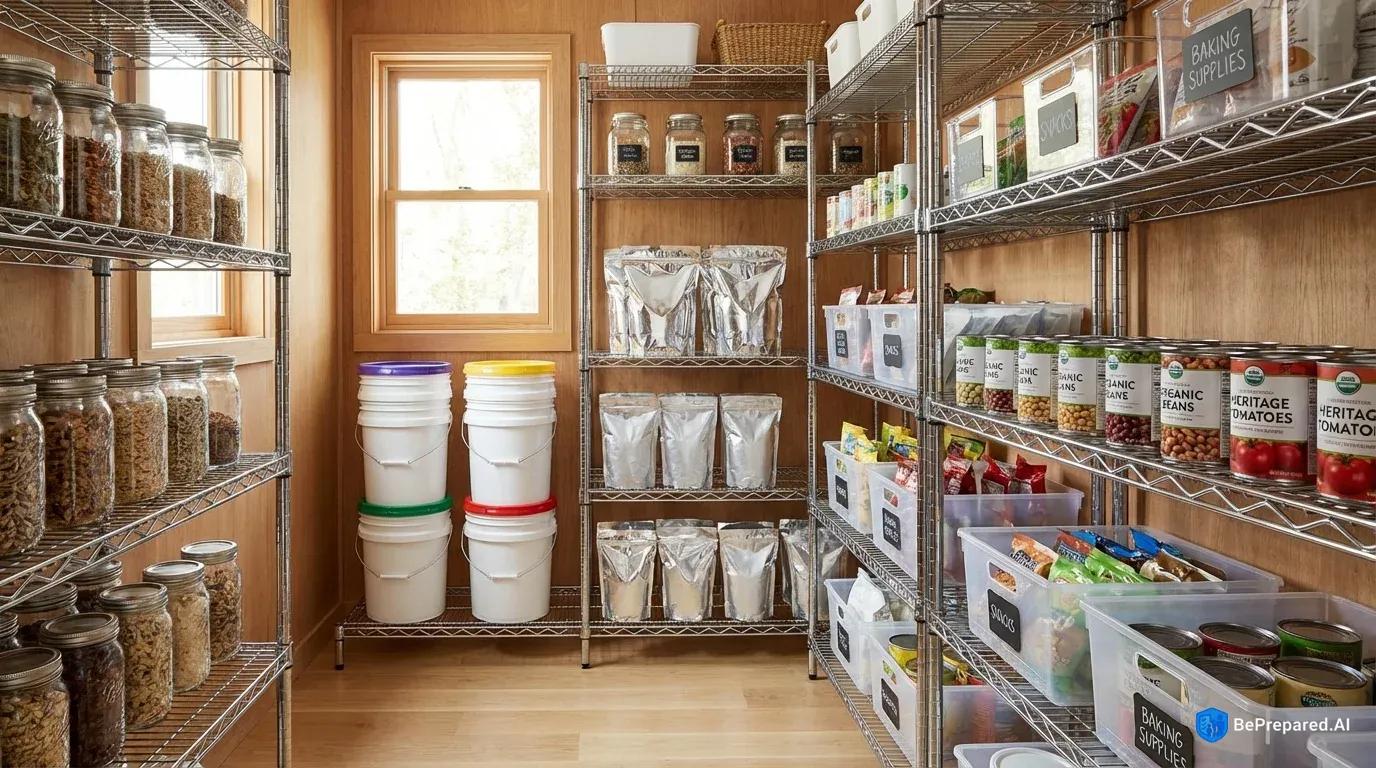
Top 10 Food Storage Mistakes to Avoid
Half of improperly stored emergency food spoils years early, wasting your money. These preventable mistakes—and simple fixes—protect your investment and your family.
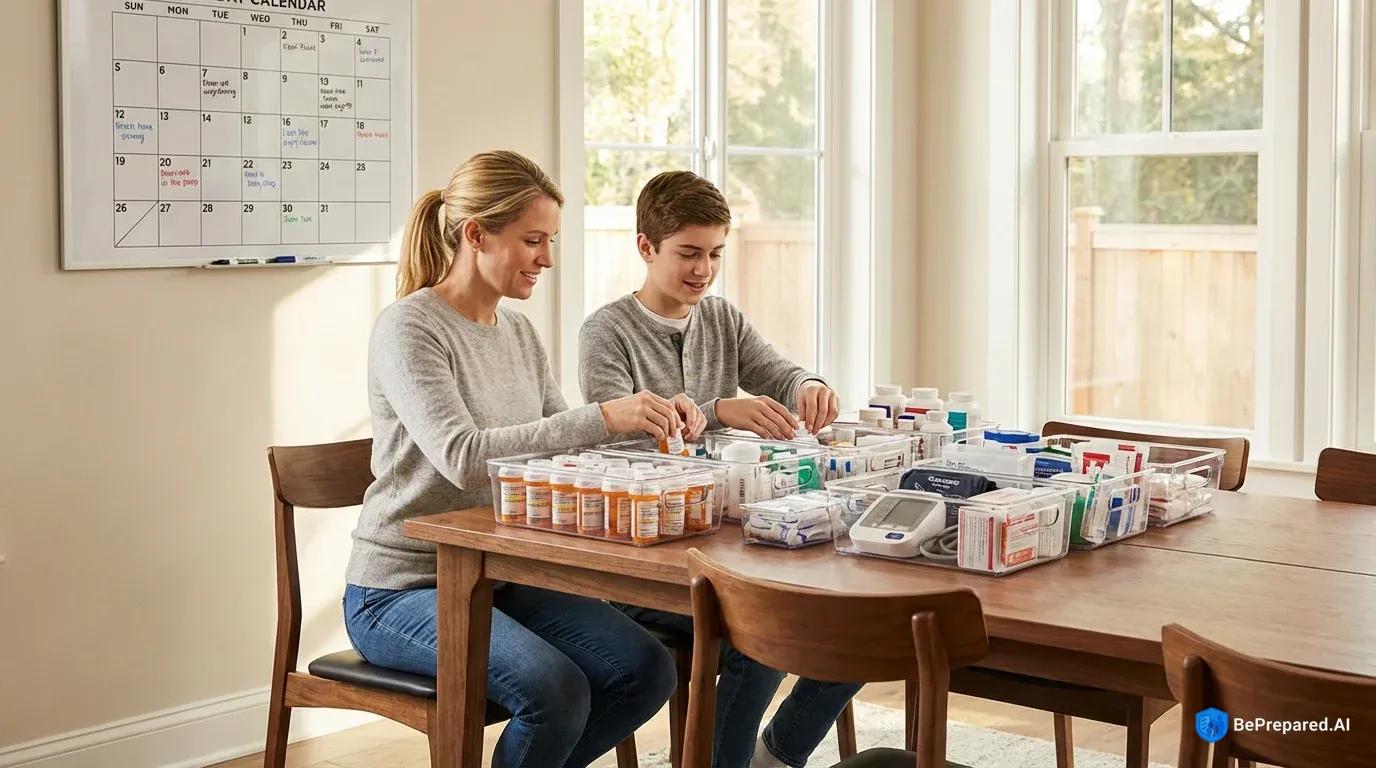
Pandemic Home Medical Supply Calculator
Most medicine cabinets hold just 5 days of critical medications. Calculate exactly what your household needs before the next health crisis hits.
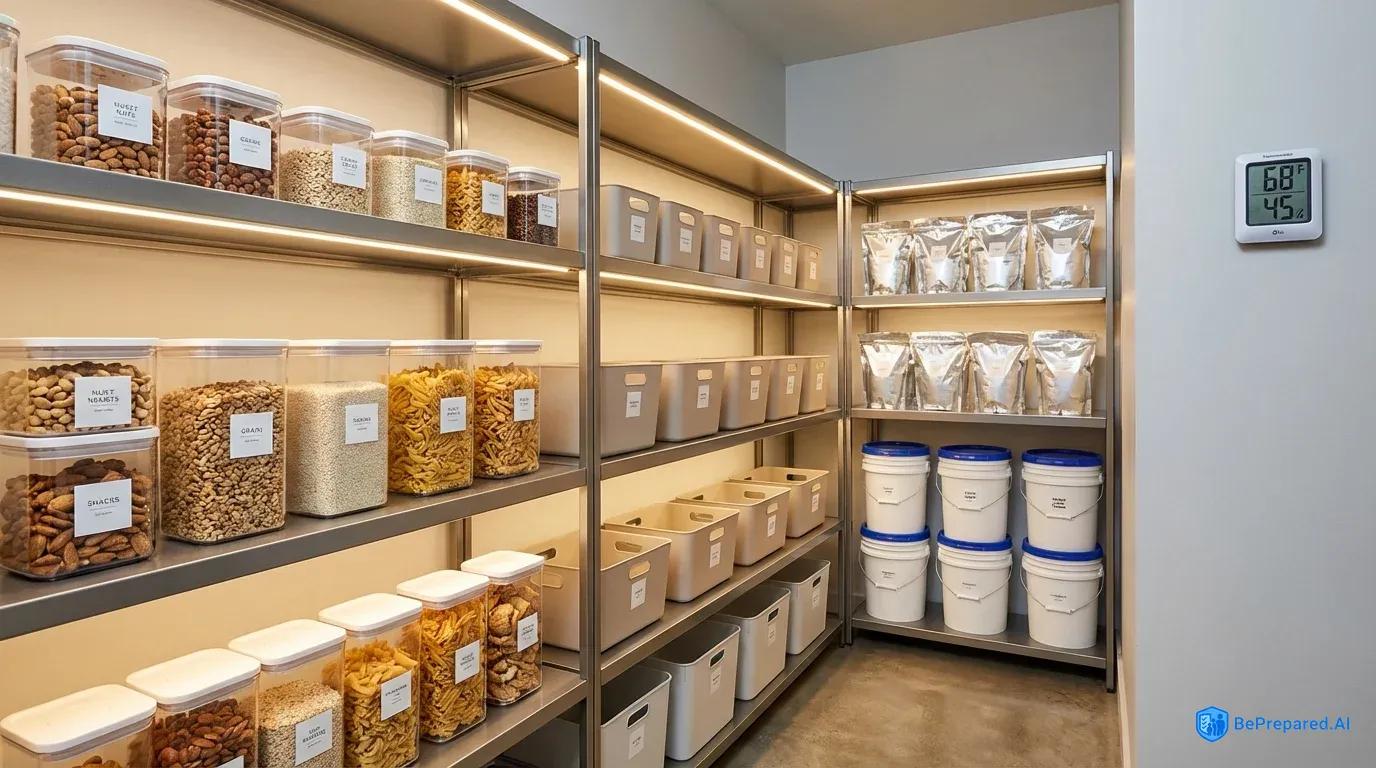
Complete Guide to Long-Term Food Storage During Pandemics
Most pandemic pantries fail within three weeks. Build a food storage system that actually works through months of supply chain disruption and quarantine.

Medicine Storage Guide for Emergencies
Your bathroom cabinet is destroying your emergency medications faster than expiration dates. Learn the three-principle system that keeps critical drugs viable when disasters strike.
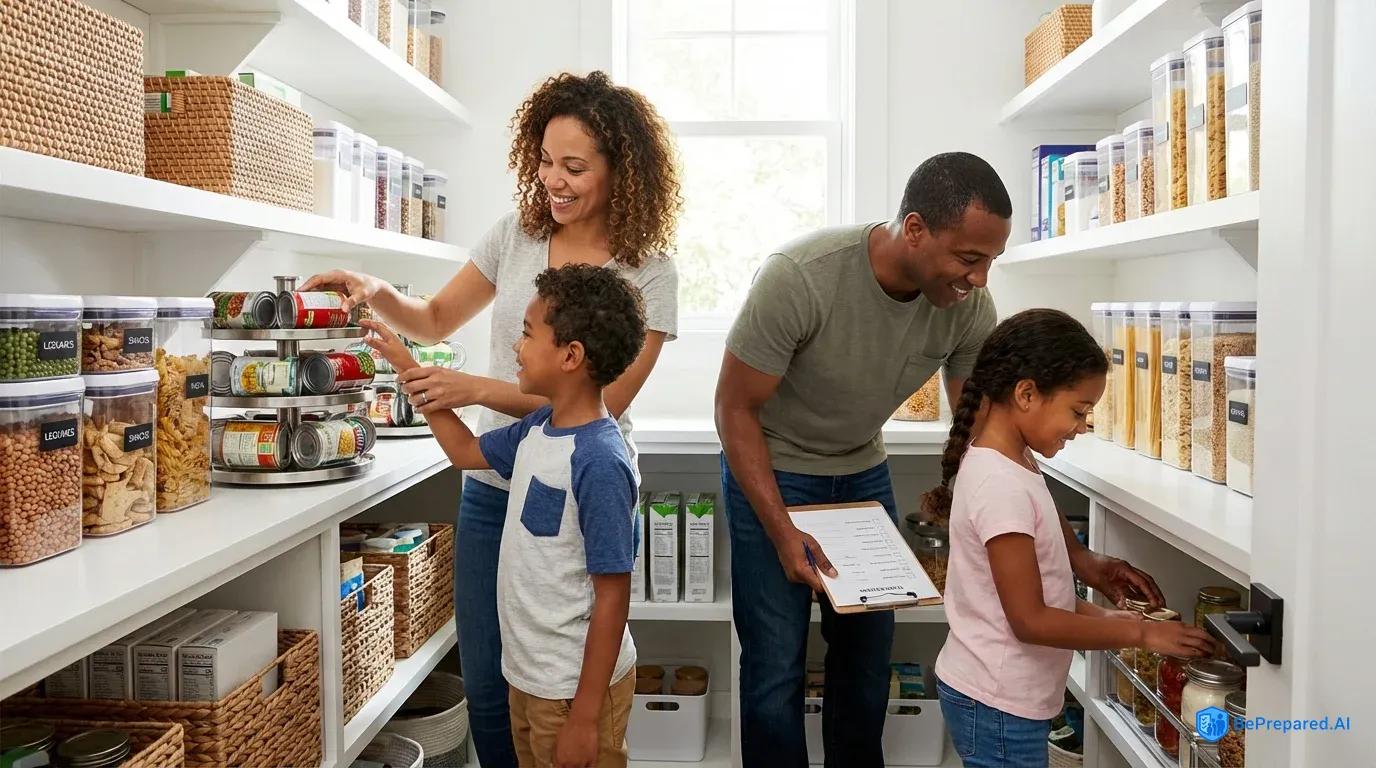
Essential Quarantine Food Supply Checklist
Panic buying strips shelves bare within hours of emergency alerts. Build a two-week quarantine food supply that keeps your family fed without the chaos.
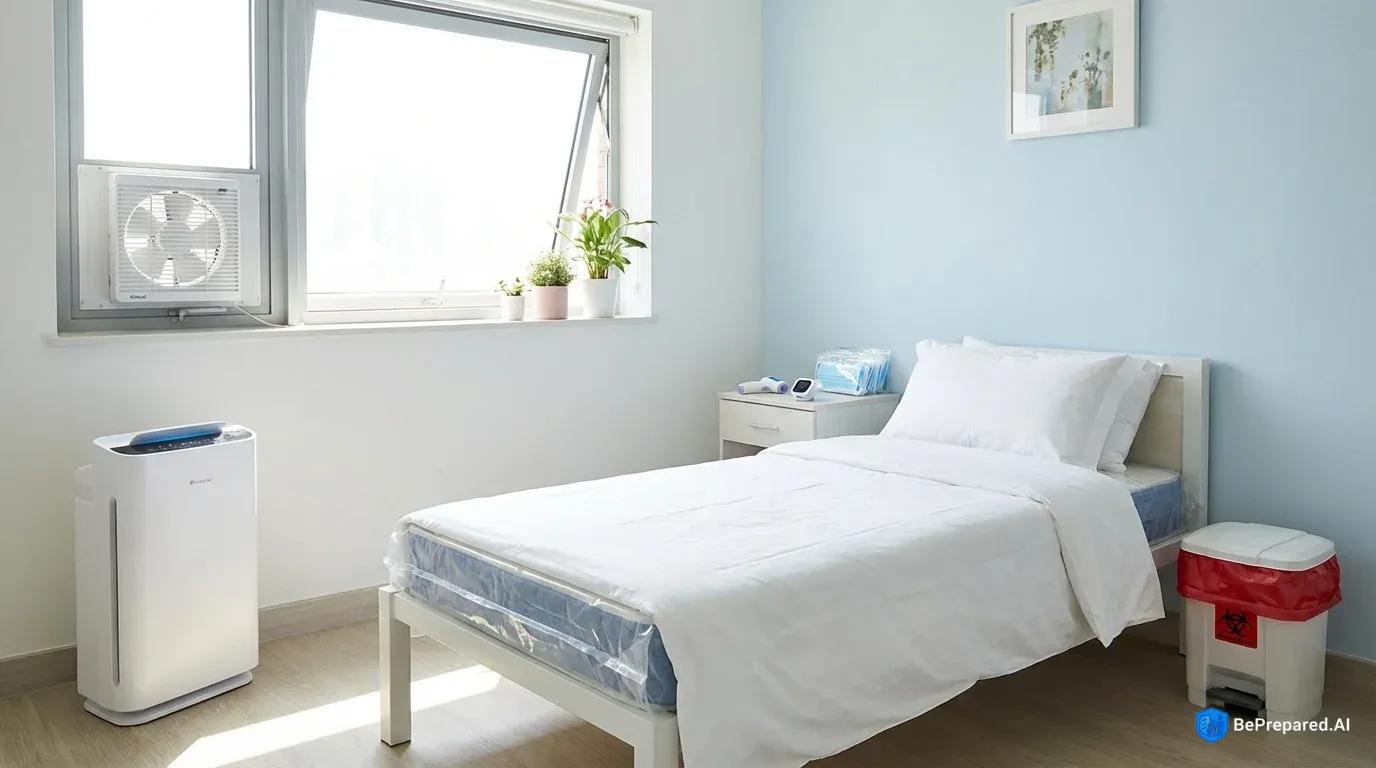
How to Set Up a Home Medical Quarantine Room
Most families realize they don't know quarantine protocols at 2 AM when it matters. A systematic room setup plan that actually protects household members.
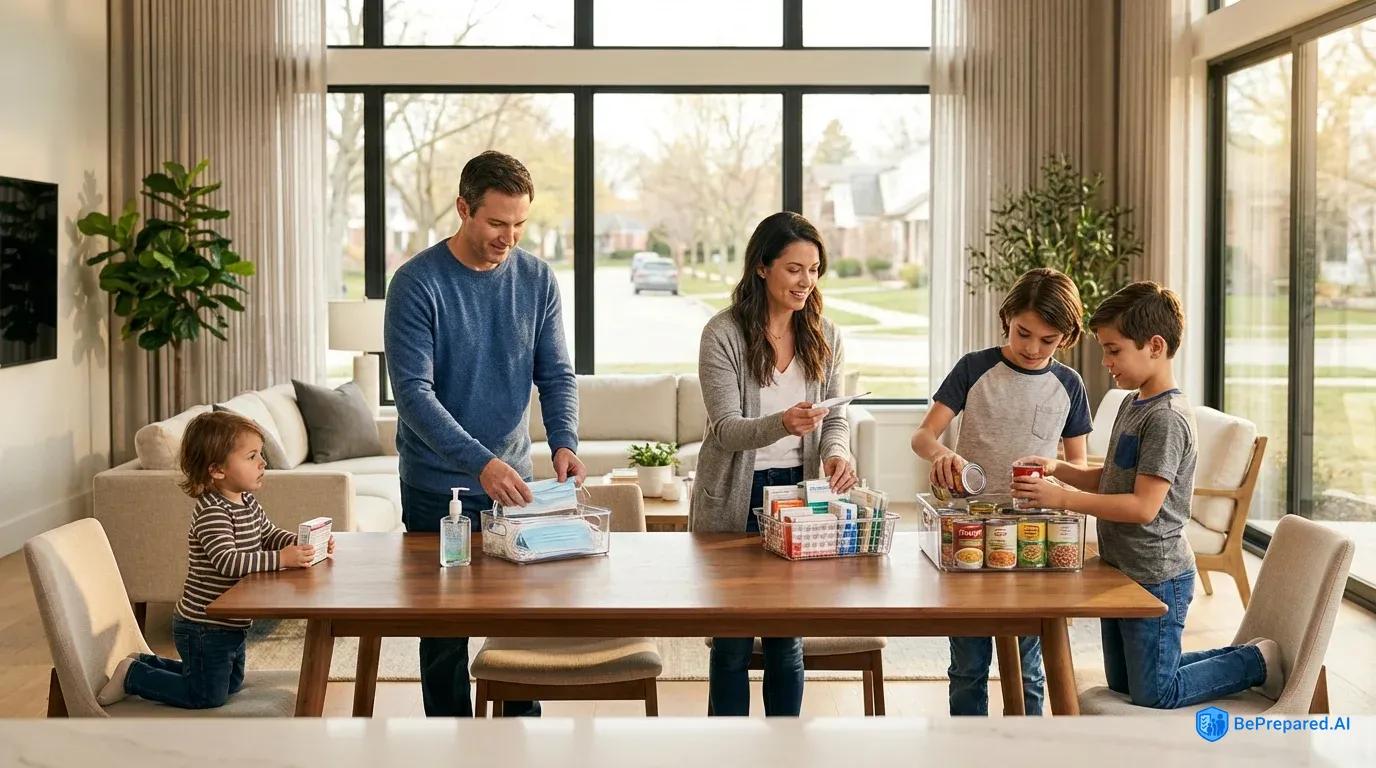
Complete Home Quarantine Preparedness Guide
Most people confuse quarantine with isolation—a mistake that spreads disease. Learn the critical differences and build a practical 5-day home preparedness plan.
Ready to stock up? See our Shelter in Place kits.
What supplies should we gather before a pandemic?
Gather enough to stay home for several days or weeks: non-perishable food, bottled water, cleaning supplies and refills of regular prescriptions. Ready.gov suggests buying these gradually so that everyone has a chance to get what they need. Include soap and a hand sanitizer that contains at least 60 percent alcohol for times when washing is not possible. Check your health insurance now, including whether it covers telemedicine visits. Make password-protected digital copies of important documents and store them somewhere safe. Ready.gov also warns households to watch for scams and fraud during an outbreak, so be careful with unexpected offers and requests for personal details.
When can someone who has been sick go back to work or school?
CDC guidance for respiratory viruses says a sick person can return to normal activities after at least a full day in which two things are true. Their symptoms are improving overall, and they have had no fever without using fever-reducing medicine. Until then, they should stay home and away from others, including people they live with who are not sick. For the next five days, CDC advises extra precautions around other people, such as cleaner air, good hygiene, a well-fitted mask, distance or testing. That matters most near anyone at higher risk of severe illness, since a person can still spread the virus after feeling better. During a pandemic, check CDC and your state and local health departments for the latest guidance.
How should our family plan for school and work closures?
Plan for schools, workplaces and community centers to close, and decide now who would stay home with children. Ready.gov recommends preparing ahead for remote schooling, telework and keeping in touch with others by video or phone. Under stay-at-home guidance, trips for groceries, the pharmacy and gas are still fine, as are walks and outdoor exercise, but visitors should be limited. Think through how an outbreak would change your plans for other emergencies, for example where you would shelter during a storm. Feeling anxious or stressed is normal during a long outbreak, so schedule regular calls with family and friends and talk to someone if you feel upset.
Sources
- Pandemic, Ready.gov (FEMA). Definition of a pandemic; gather supplies for several days or weeks and buy slowly; 60 percent alcohol sanitizer; review insurance and telemedicine; password-protected document copies; scams and fraud; prepare for school and workplace closures, telework and virtual contact; consider effects on other emergency plans; anxiety is normal; follow CDC and state and local health departments.
- Preventing Spread of Respiratory Viruses When You're Sick, Centers for Disease Control and Prevention. Stay home and away from others when sick; return to normal activities after 24 hours of improving symptoms and no fever without fever-reducing medication; added precautions for the next 5 days; extra care for people at higher risk; people may still spread the virus after feeling better.
- Shelter, Ready.gov (FEMA). Stay-at-home guidance: groceries, pharmacies and gas stations are still fine, outdoor exercise is fine, limit visitors and use video chat.