Natural Disasters
31 articles
A natural disaster is a damaging event driven by nature, such as a hurricane, tornado, flood, wildfire, earthquake or winter storm. Learn which of these hazards are most likely where you live, and set up at least two ways to receive official warnings.
Natural disasters including hurricanes, wildfires, tornadoes, earthquakes, floods, and winter storms. Select sub-scenarios for targeted preparation advice.
Updated
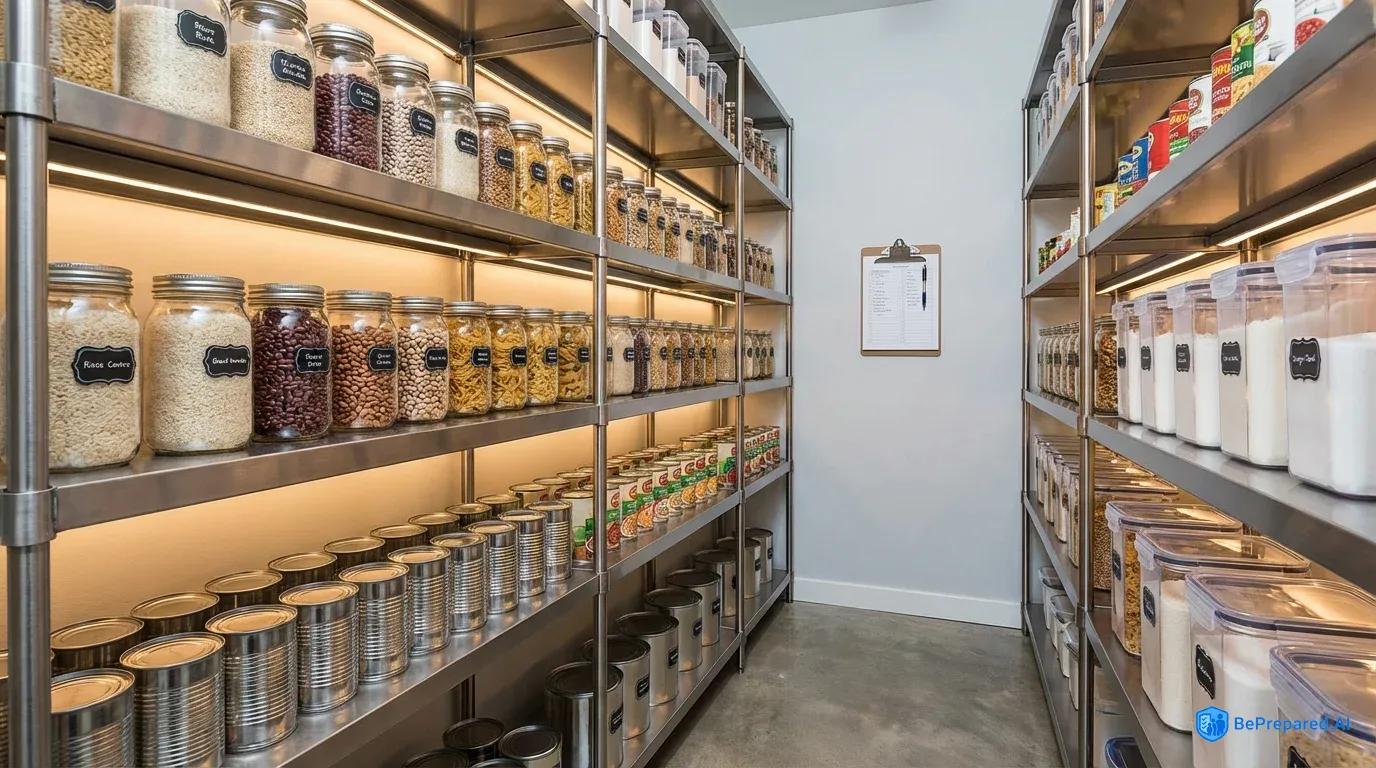
Best Foods for Long-Term Emergency Storage
Most emergency food spoils faster than the expiration date suggests. Find out which shelf-stable staples actually last decades and keep your family fed.
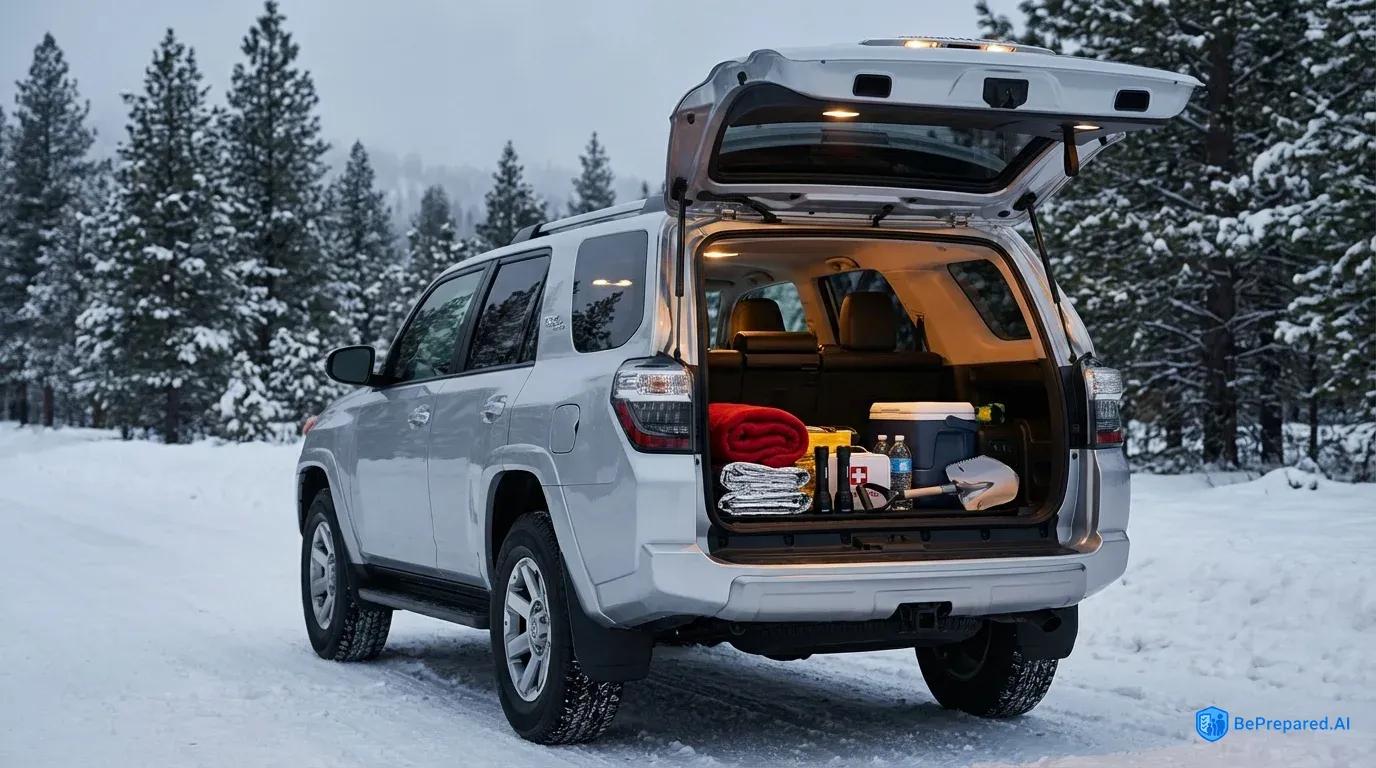
Essential Winter Car Emergency Kit Checklist
AAA handles 7 million winter rescue calls yearly—most from unprepared drivers. Build a kit that keeps you safe when snow turns dangerous.

Quick Winter Storm Evacuation Checklist
Most winter storm deaths happen during evacuation, not sheltering in place. This checklist helps you evacuate safely when seconds count.
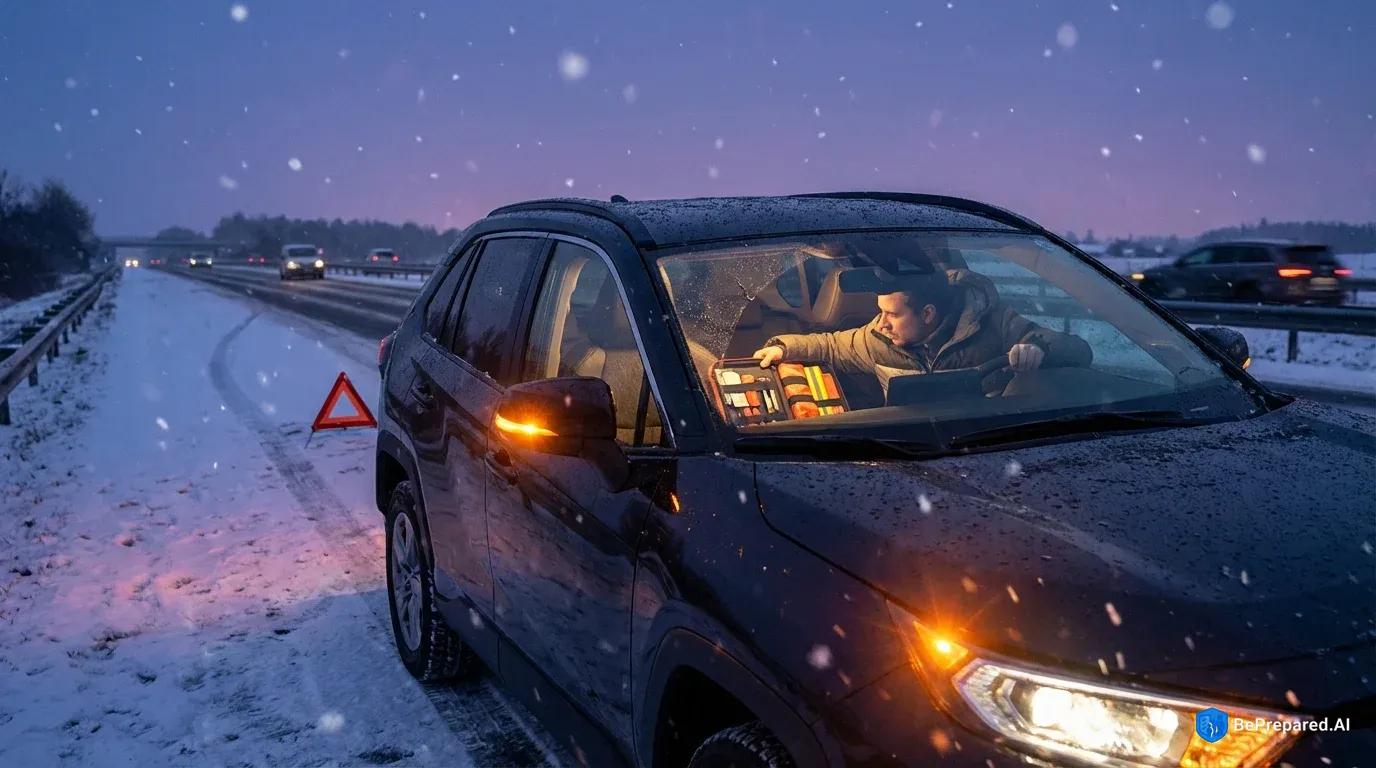
How to Safely Stay Warm in a Stranded Vehicle
Running your engine continuously in a snowstorm can kill you faster than the cold. Essential strategies for surviving when your car becomes your shelter.

Winter Vehicle Battery Care and Maintenance
Your battery loses 50% cranking power at 0°F while your engine demands twice the energy. Strategic testing and maintenance prevent dead-battery mornings.
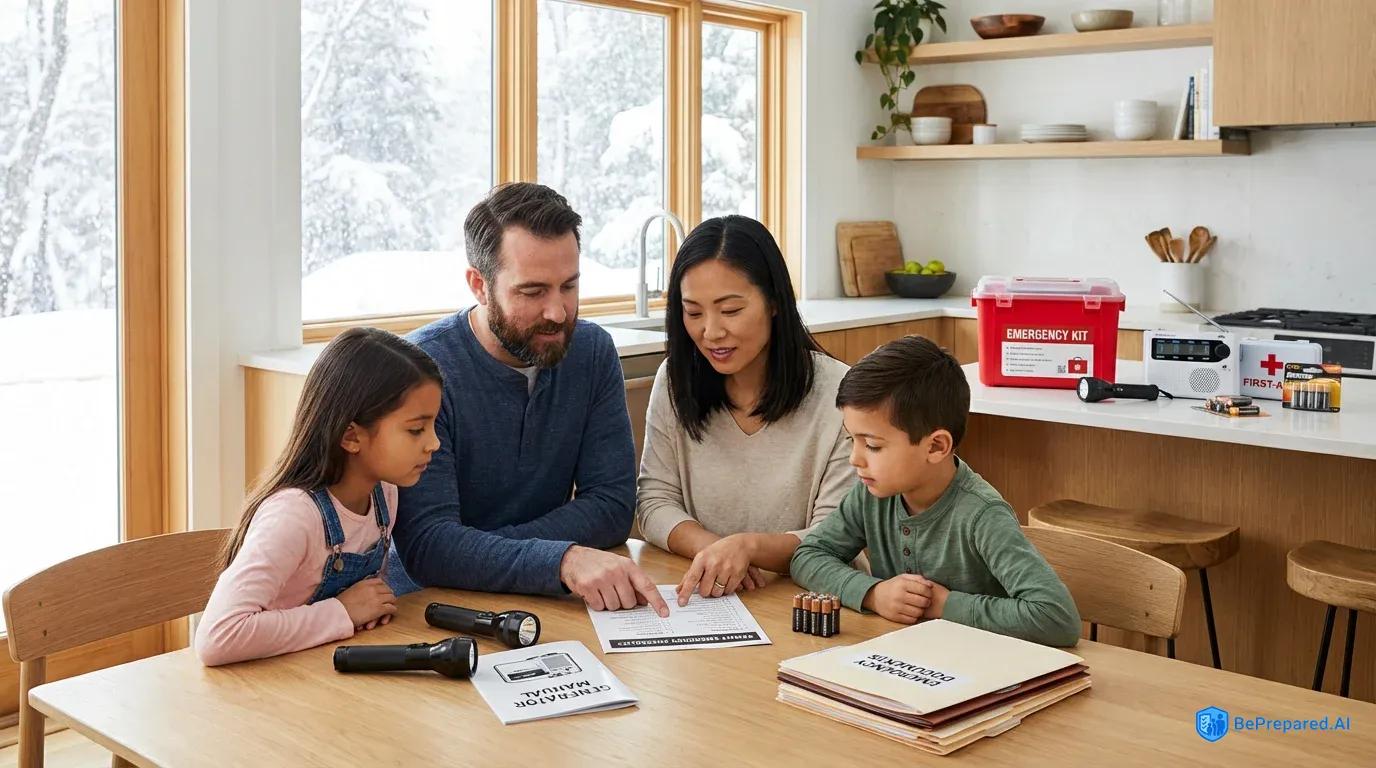
How to Create a Backup Power Plan for Winter Storms
Most backup power plans fail within the first 12 hours. Build a winter outage strategy that works through multi-day blackouts when temperatures plummet.

Complete Winter Vehicle Emergency Guide
70% of winter weather deaths happen in vehicles, not outdoors. Build the preparation system that keeps your family alive when stranded.

Top 10 Winter Storm Preparation Mistakes
Most hypothermia deaths happen indoors, not outside. Avoid the ten critical heating, water, and safety mistakes that turn winter storms deadly.
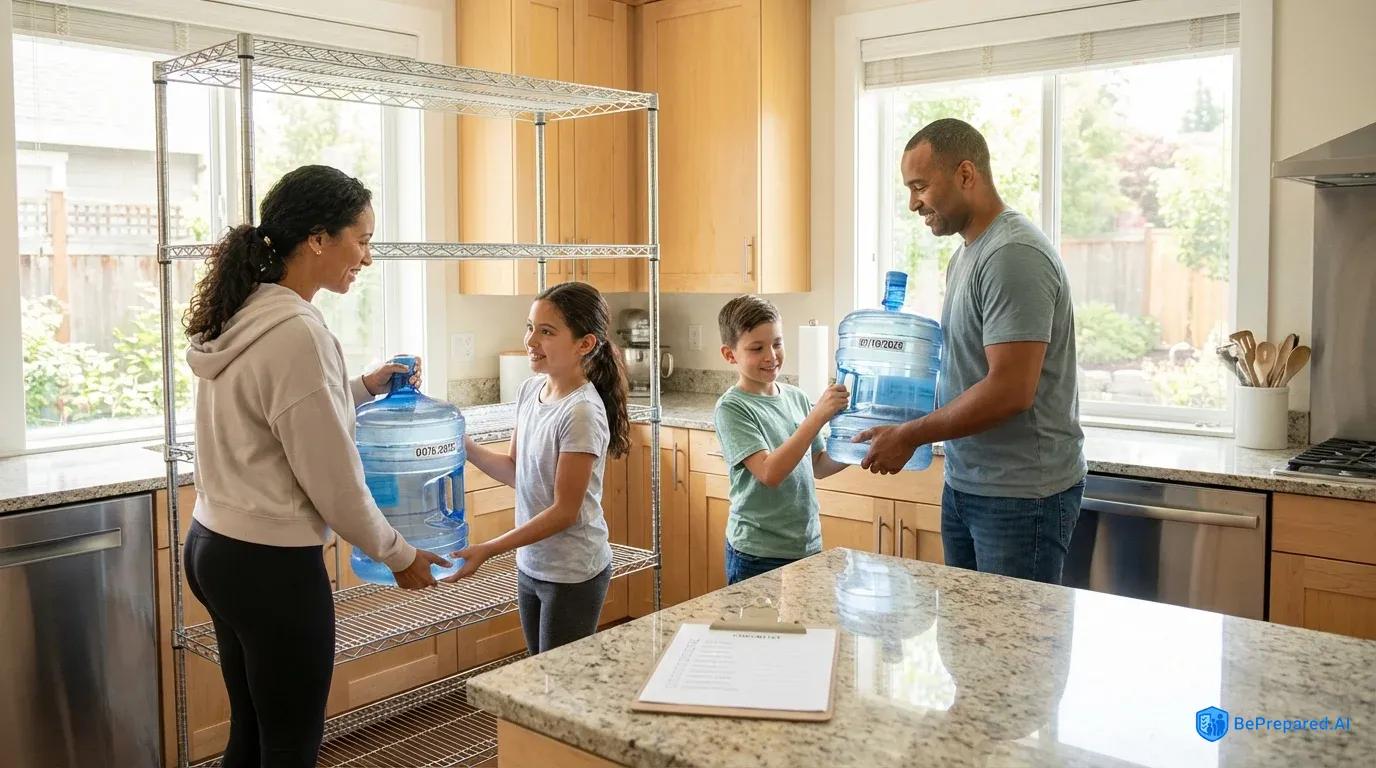
Emergency Water Storage Guide
Most households have less than 24 hours of drinkable water stored. This guide shows exactly how much you need and the smartest ways to store it.
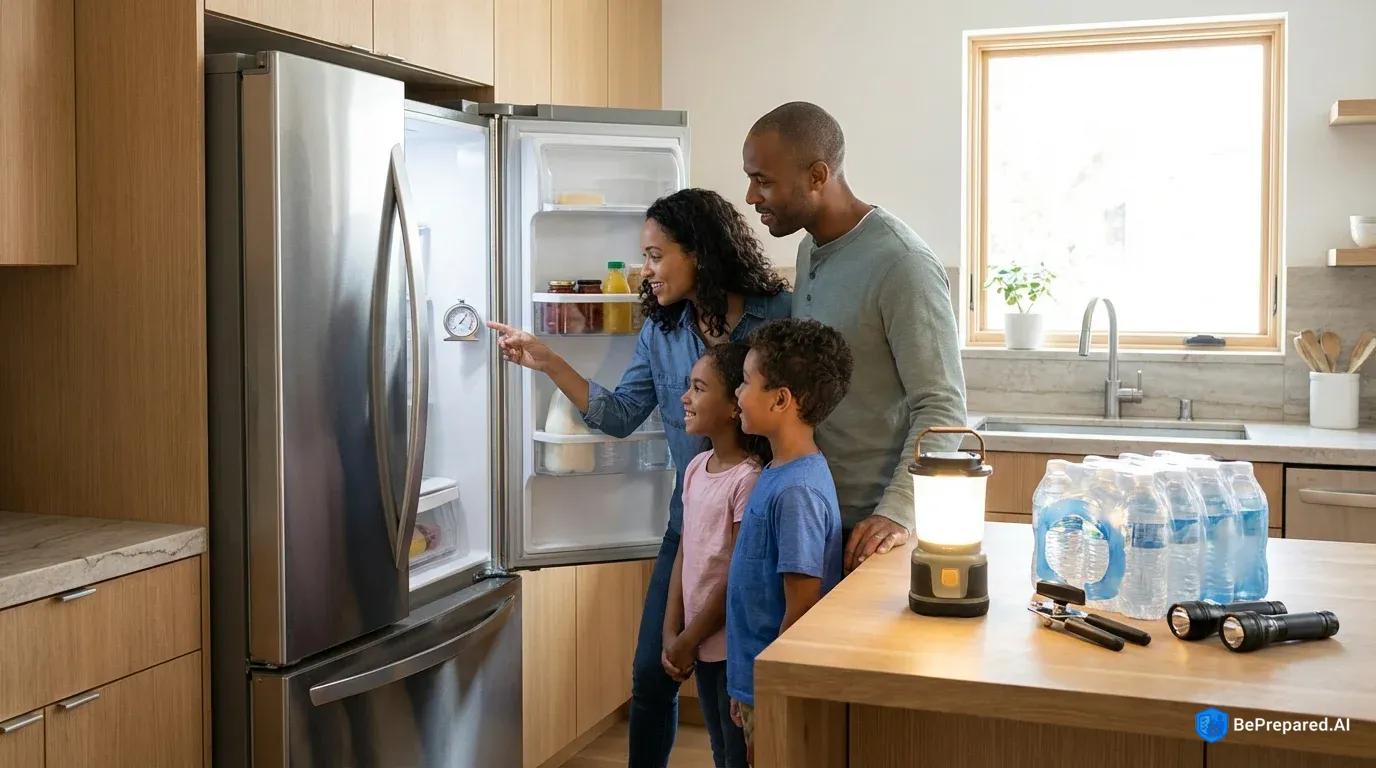
Food Storage During Power Outages
Your refrigerator becomes a ticking clock the moment power fails. Learn the critical 4-hour window and science-backed strategies to protect your family's food supply.
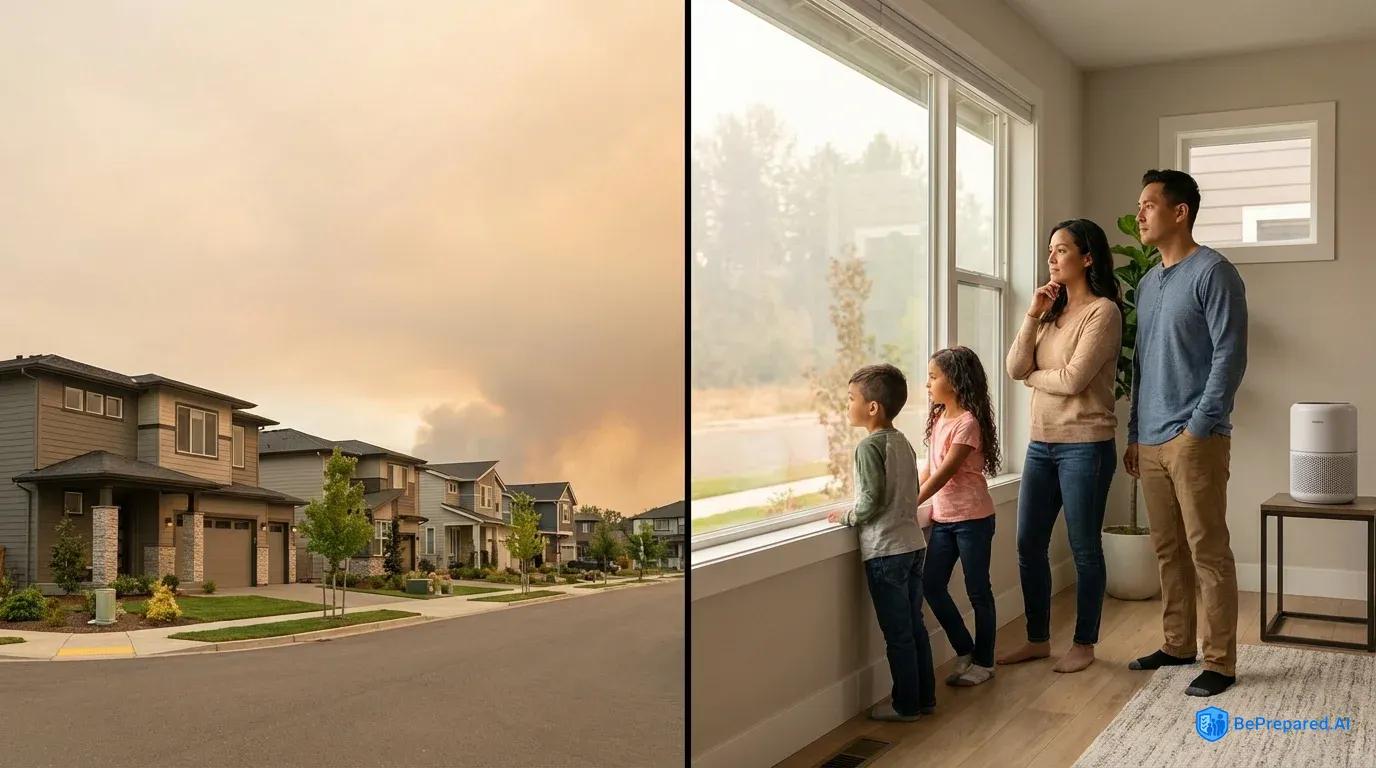
Ultimate Guide to Wildfire Air Quality Protection
Wildfire smoke harms you indoors, miles from flames. Protect your family with air quality monitoring, filtration strategies, and emergency breathing protection.
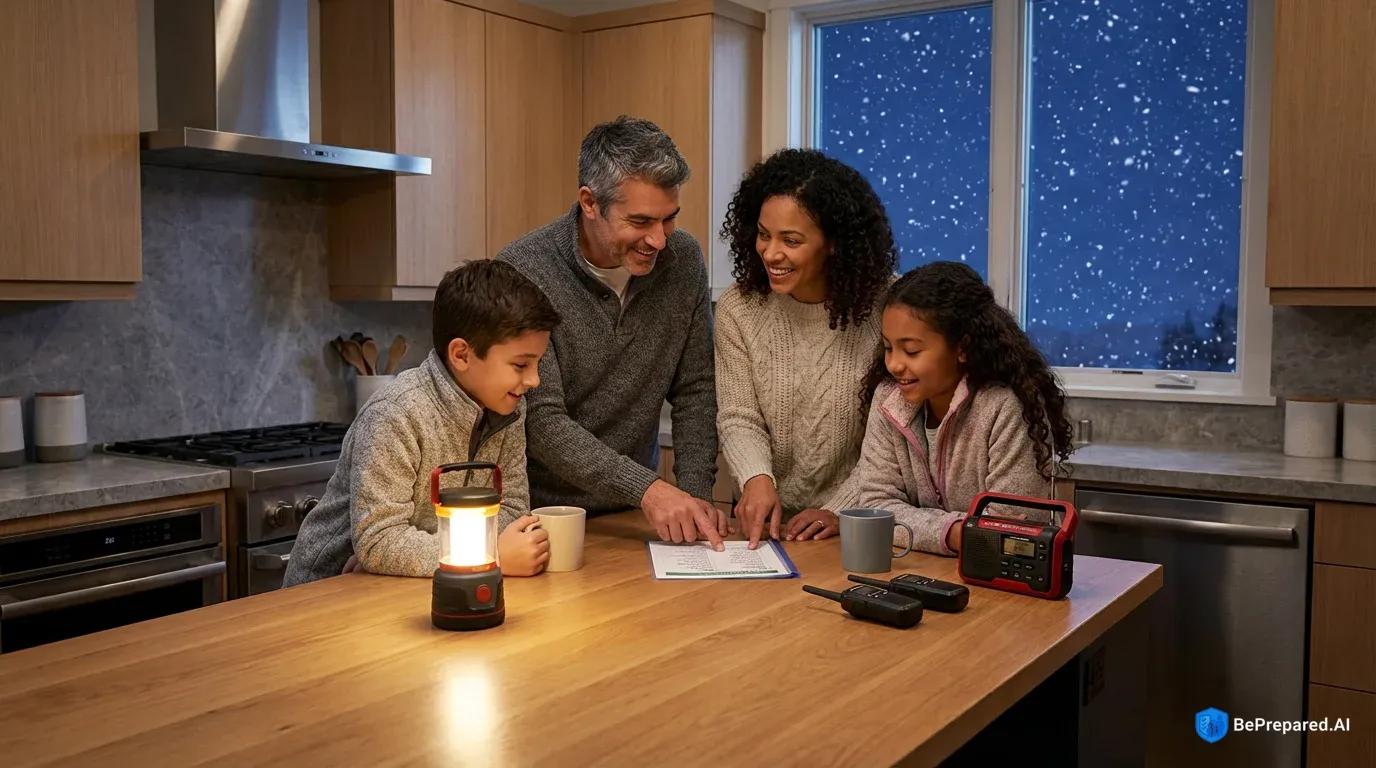
Winter Storm Communications Backup Plan
Cell networks fail within hours of severe winter storms, leaving families separated and anxious. Simple backup plans reconnect you when smartphones go dark.
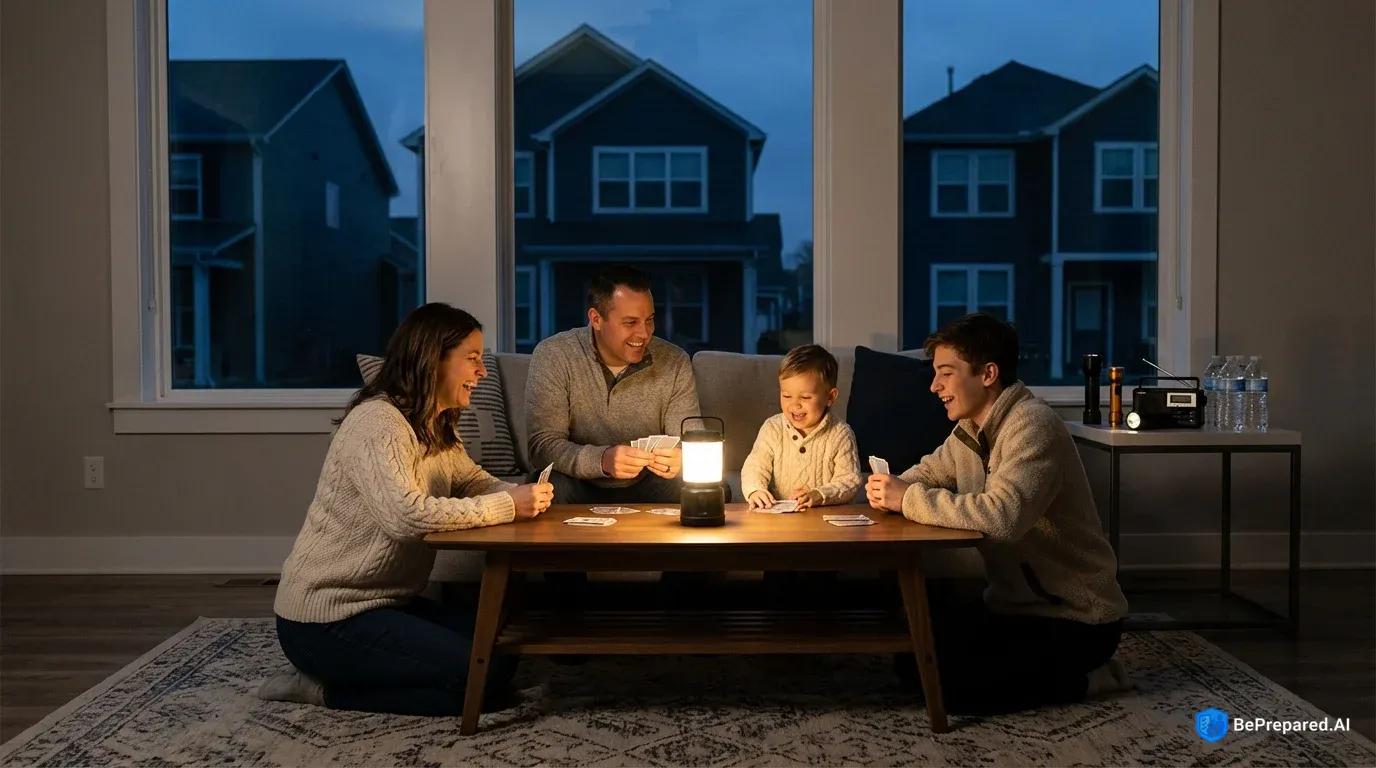
Complete Power Outage Survival Guide
Most power outages last under 4 hours, yet most people prepare for the wrong scenario. This guide shows what actually keeps families safe and comfortable.
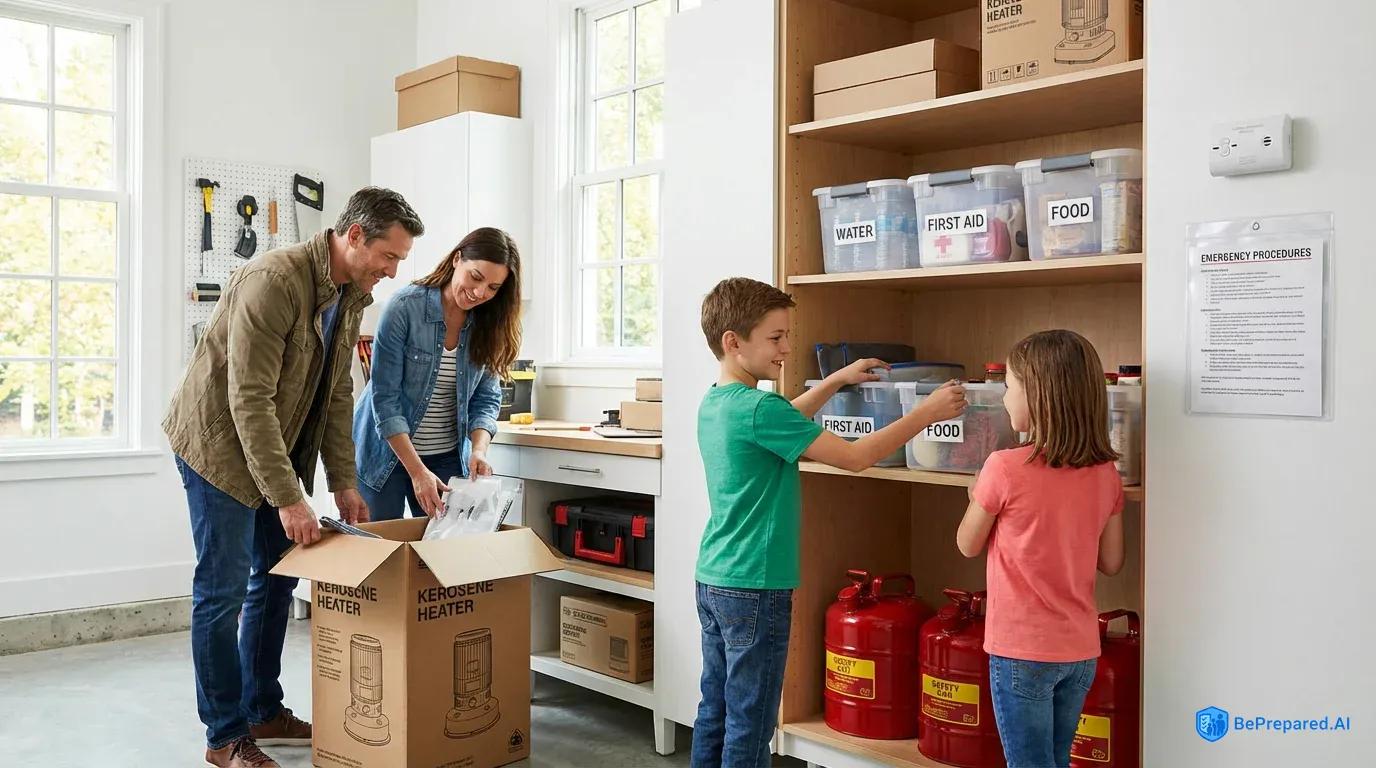
Emergency Heat Calculator: How Much Backup Heat You Need
Most backup heating systems are oversized by 40%. Calculate your actual BTU requirements using zone heating principles that cut costs without sacrificing safety.

Air Purifier Sizing Calculator for Wildfire Smoke
Most air purifiers fail during wildfire smoke because they're undersized. Calculate the exact capacity your space needs to maintain safe indoor air quality.

Complete Home Wildfire Defense Guide
Most homes ignite from embers, not flames—yet homeowners protect against the wrong threat. Learn the defense strategies that actually stop wildfires.
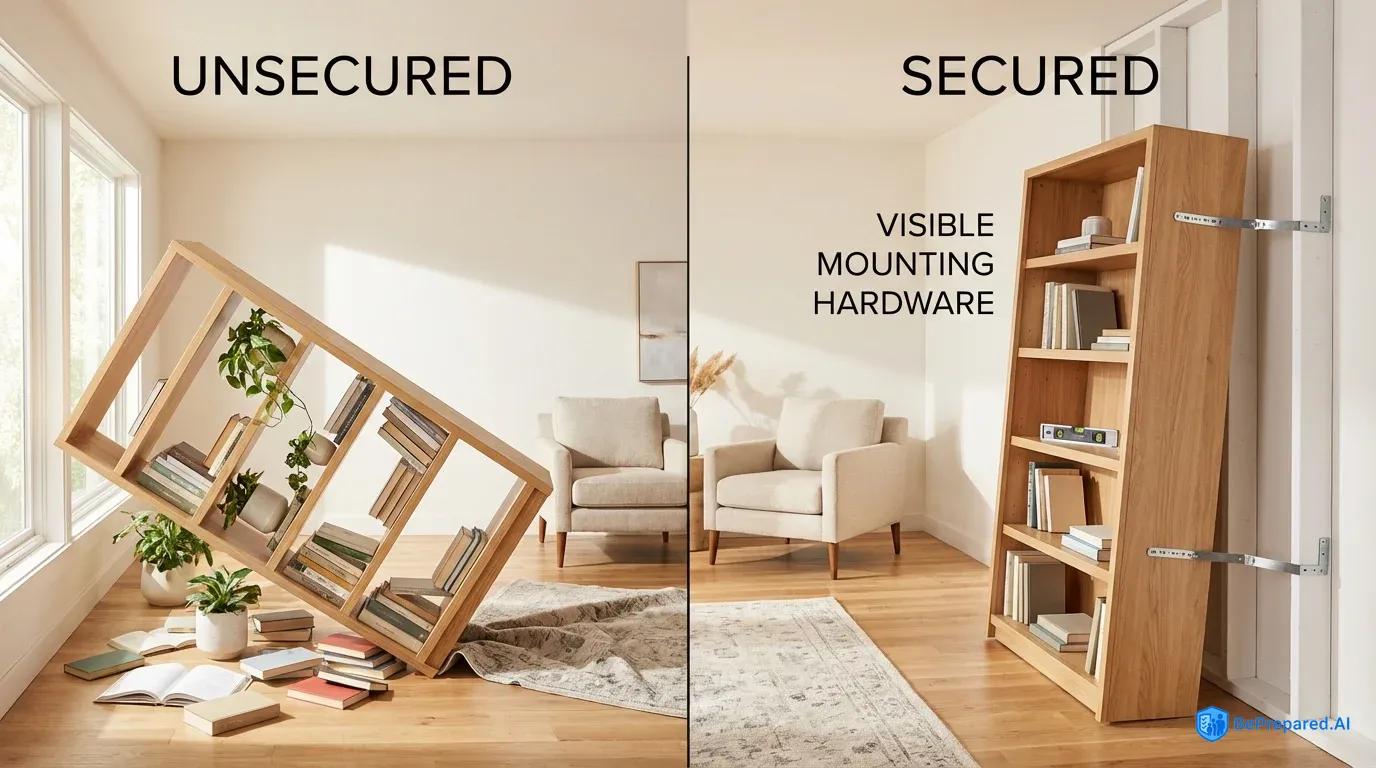
How to Secure Heavy Furniture for Earthquakes
Standing furniture killed more people than collapsed walls in the Northridge earthquake. Practical anchoring methods that prevent toppling during seismic events.
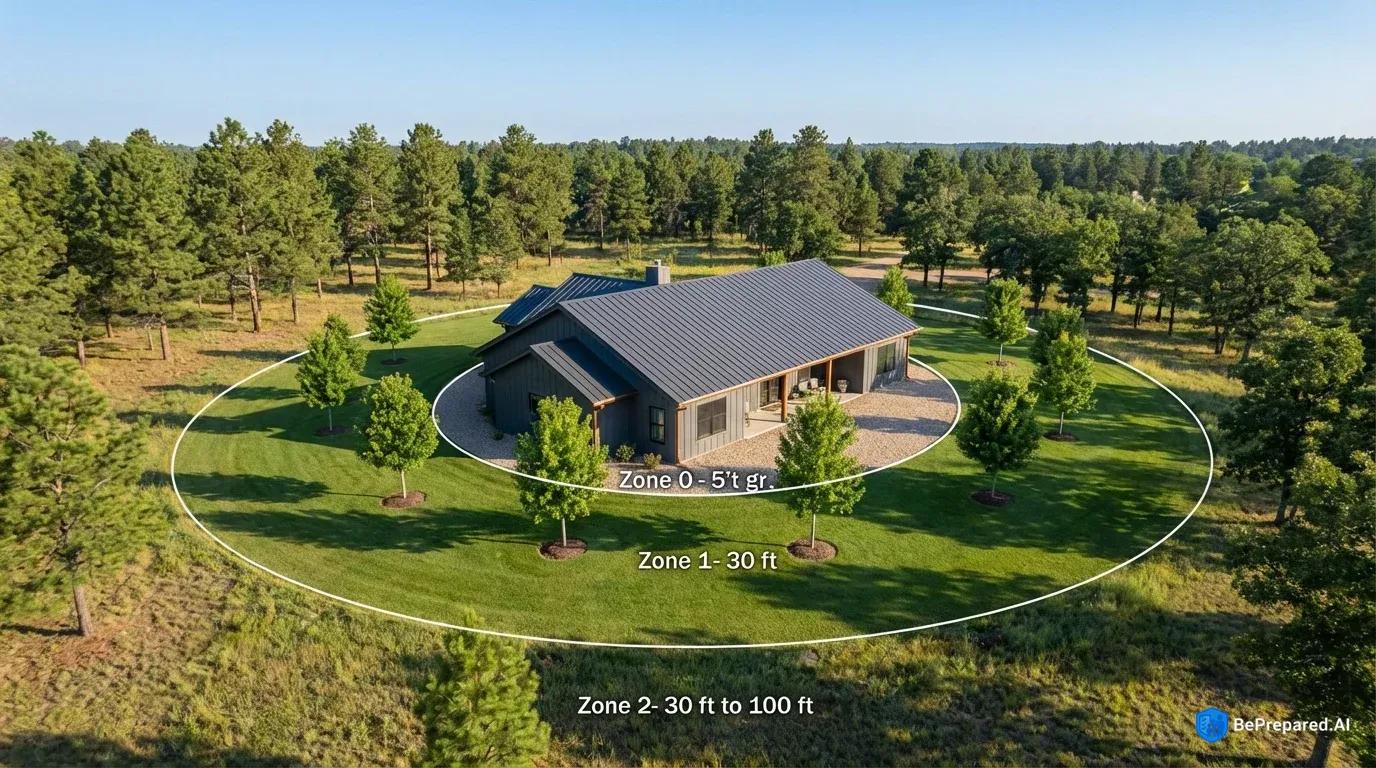
Creating a Wildfire Defensible Space: Step-by-Step Guide
Most homes lost to wildfires had defensible space—but it was done wrong. This step-by-step guide shows the critical differences that actually protect your property.
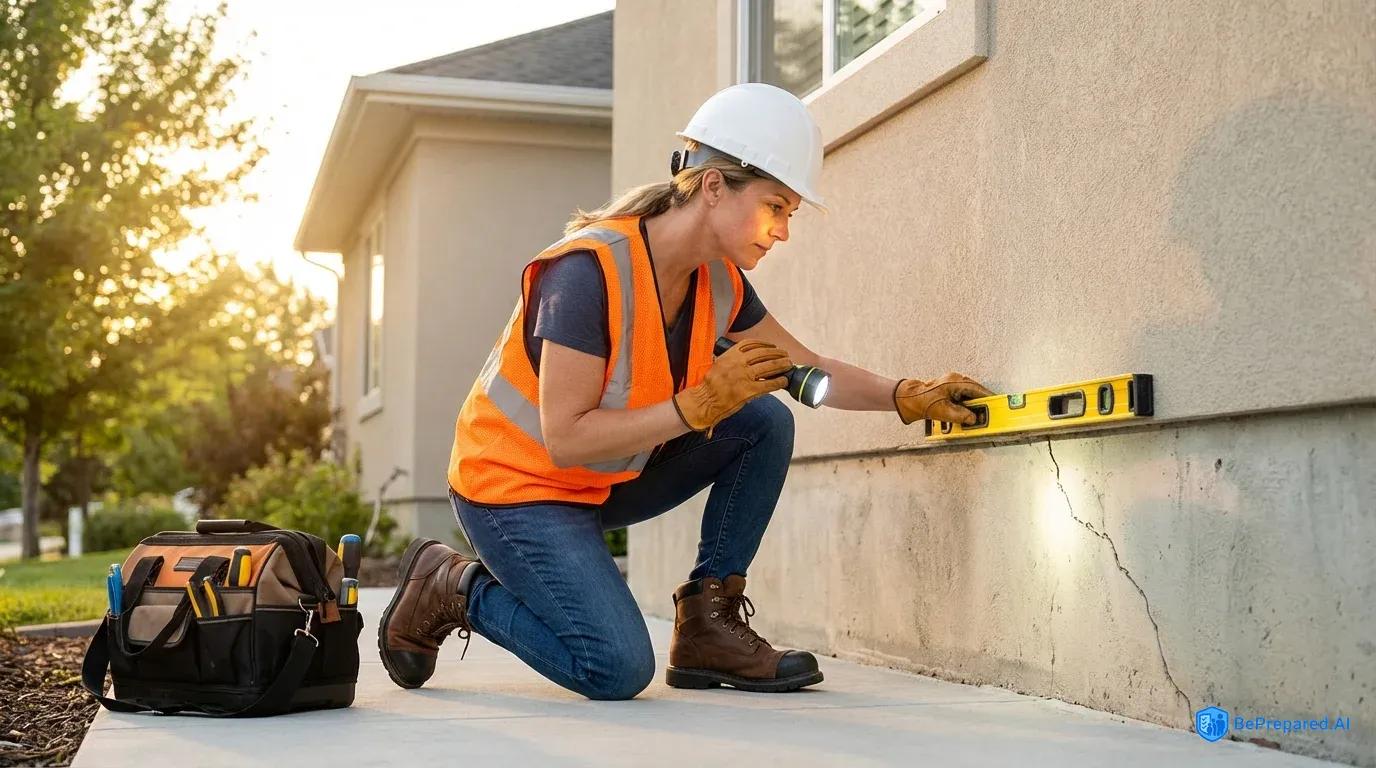
Post-Earthquake Home Inspection Guide
Most homeowners enter too soon after earthquakes, risking injury from aftershocks. This guide prioritizes your safety while systematically assessing structural damage.
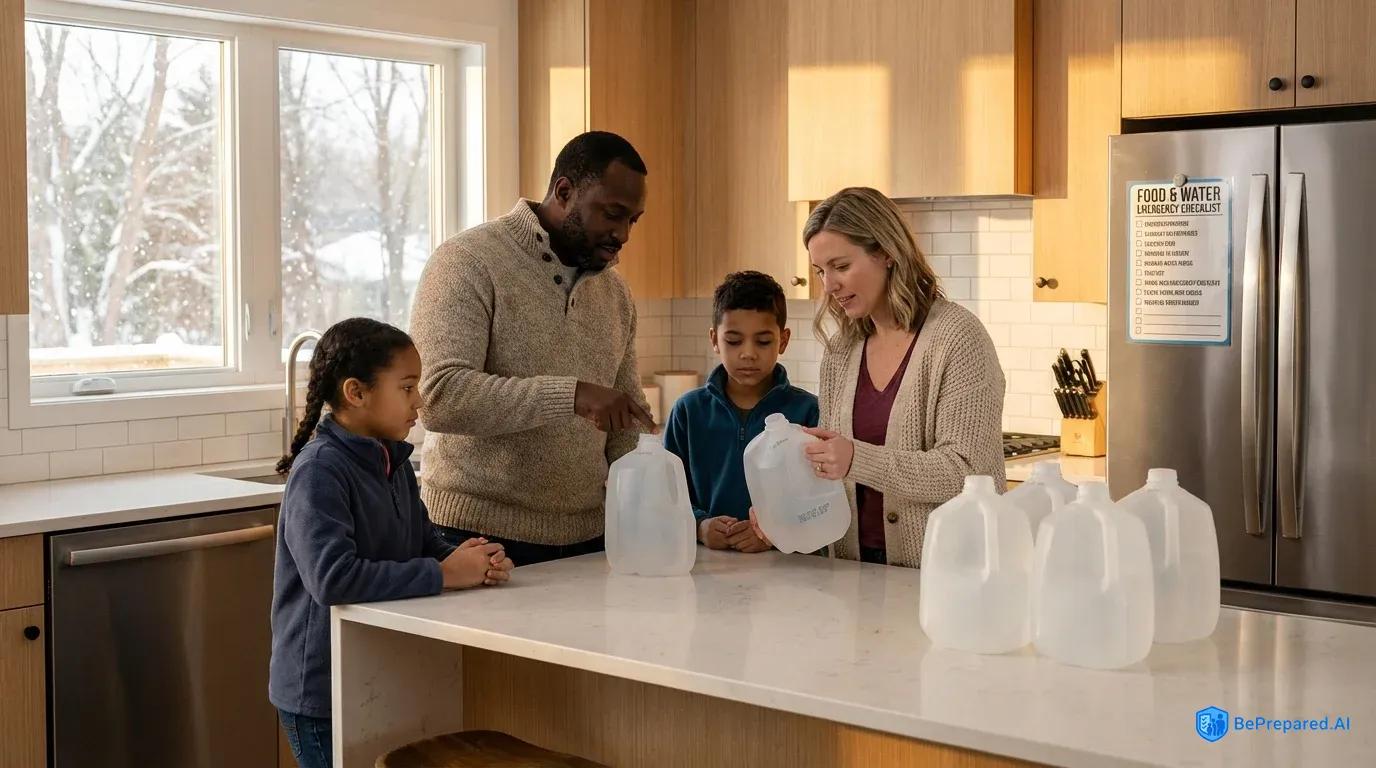
How to Store Emergency Water for Winter Storms
Your municipal water can fail even when pipes don't freeze. A friendly guide to storing emergency water before winter storms hit.
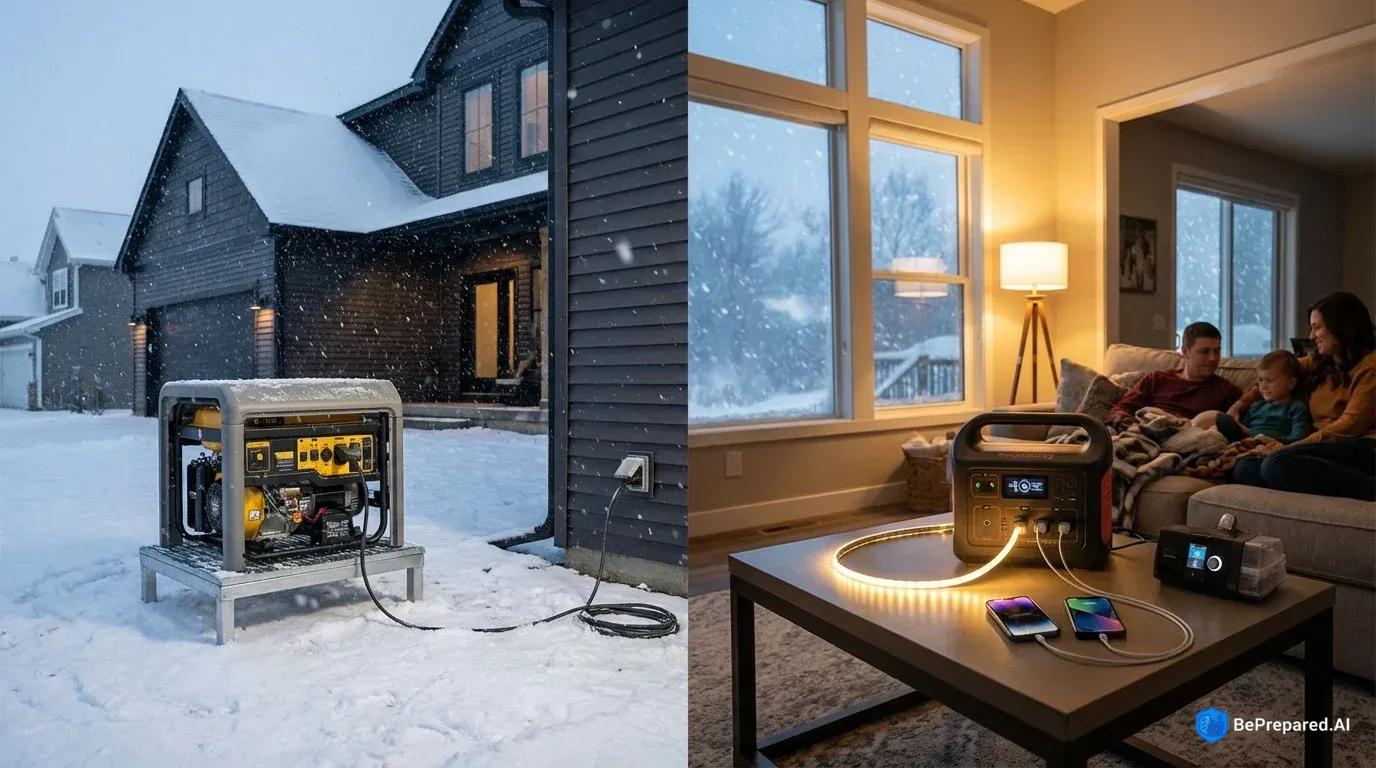
Generator vs. Power Station: Which is Best for Winter Outages?
Most winter backup plans fail in the first six hours. Compare generators against power stations using real capacity math, runtime data, and cold-weather performance metrics.

Fire-Resistant Plants: What to Grow in Wildfire Zones
Some homes survived the Caldor Fire while neighbors burned. The difference: strategically placed fire-resistant plants creating defensible space that actually works.

15-Minute Wildfire Evacuation Checklist
Most people waste 12 of their 15 evacuation minutes deciding what to grab. This step-by-step checklist eliminates the guesswork and panic.
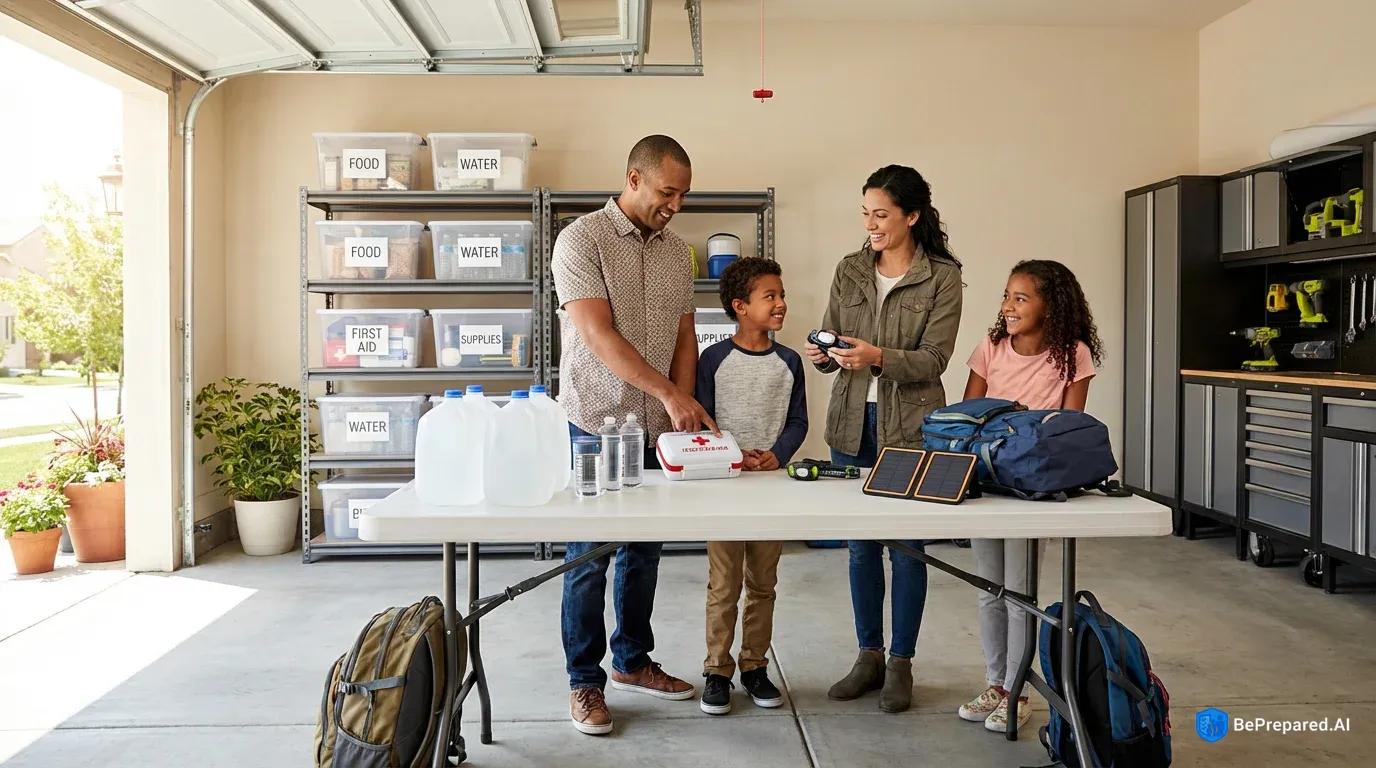
Earthquake Supply Kit Essentials
Earthquakes strike all 50 states, not just California. Emergency responders may take days to reach you—here's what you actually need to survive independently.
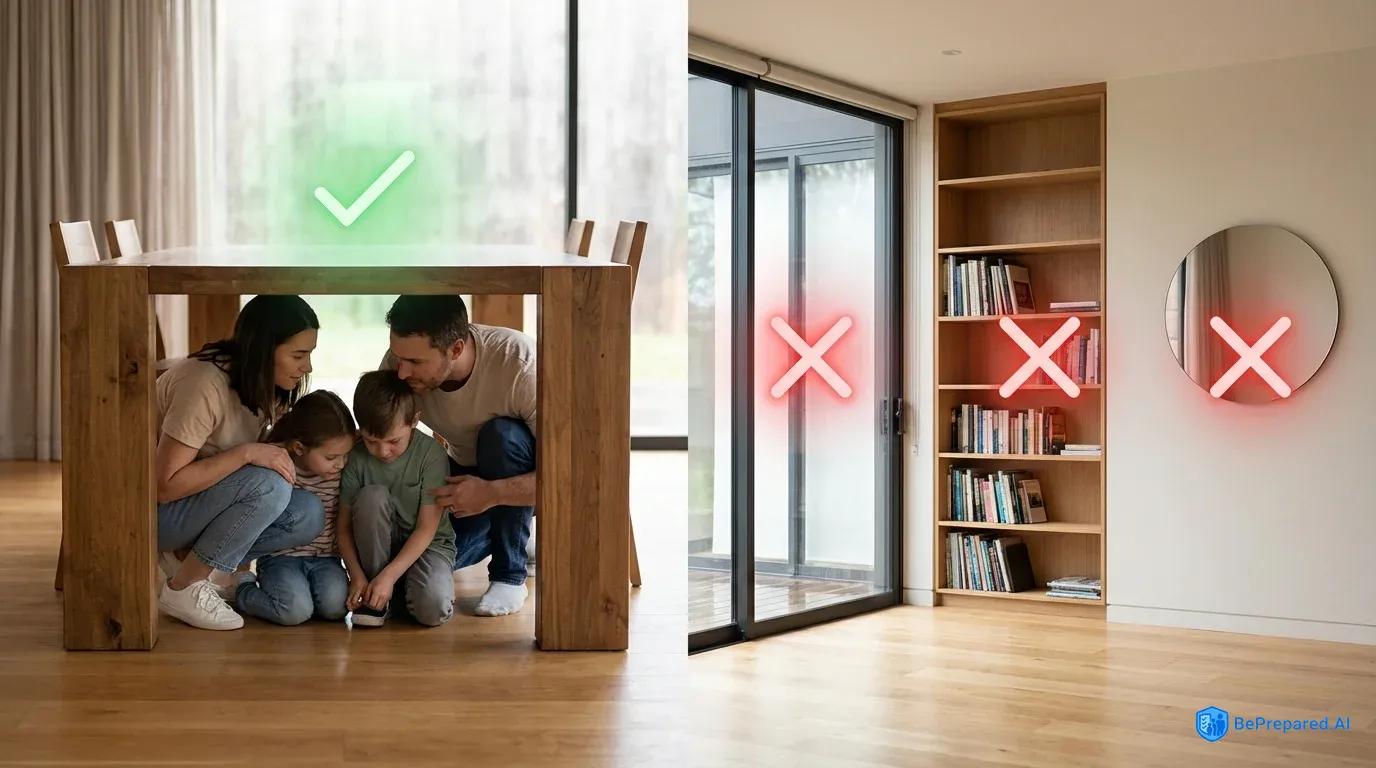
10 Earthquake-Safe Spots in Your Home
Doorways aren't safe during earthquakes—that's outdated advice. Find the 10 spots in your home that actually protect you when shaking starts.

Complete Earthquake Home Safety Guide
Most earthquake injuries happen at home from falling objects, not collapsed buildings. This room-by-room guide shows you exactly what to secure first.
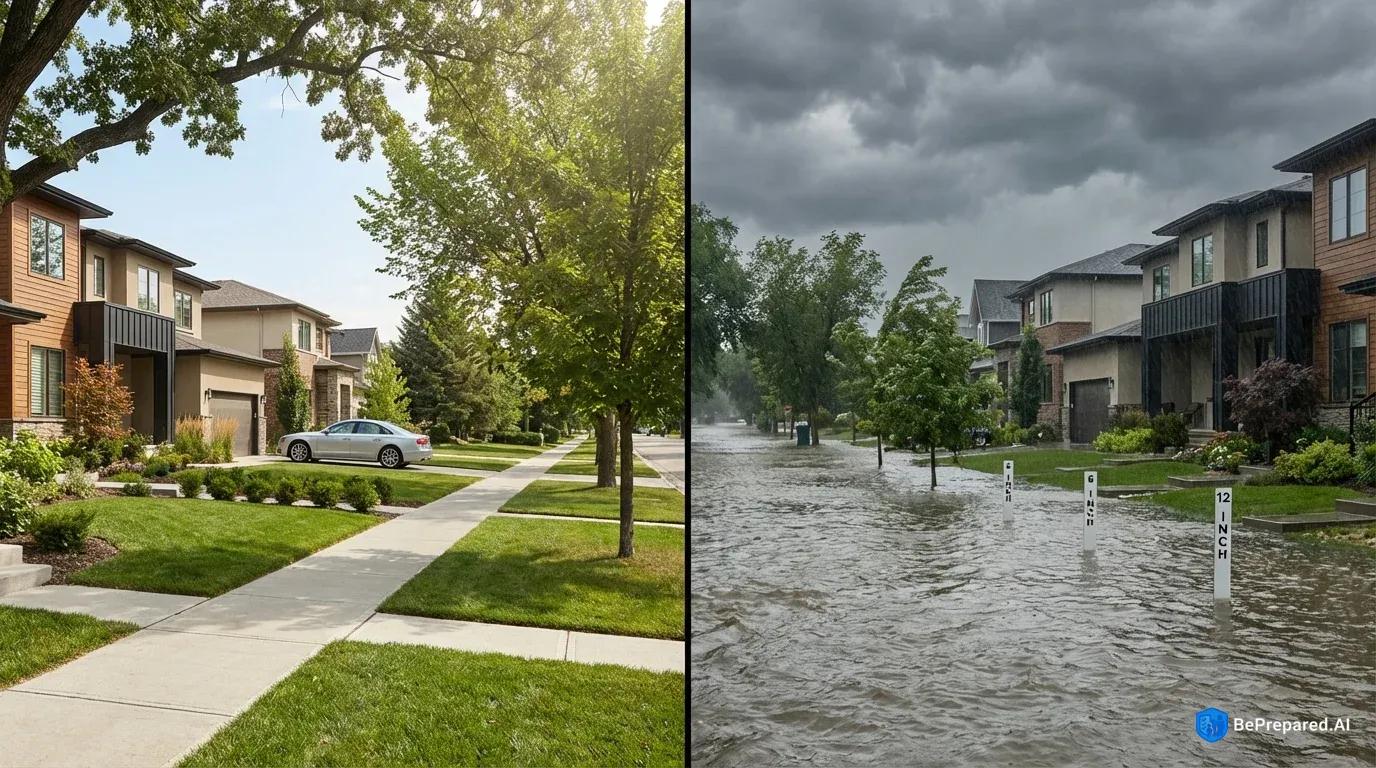
Complete Flood Preparedness and Recovery Guide
Six inches of moving water can knock you down. One foot can sweep away your SUV. Learn what actually protects your family during floods.

Complete Winter Storm Home Preparedness Guide
70% of winter storm deaths happen in vehicles, not homes. Learn the preparation steps that keep your family safe when weather turns dangerous.
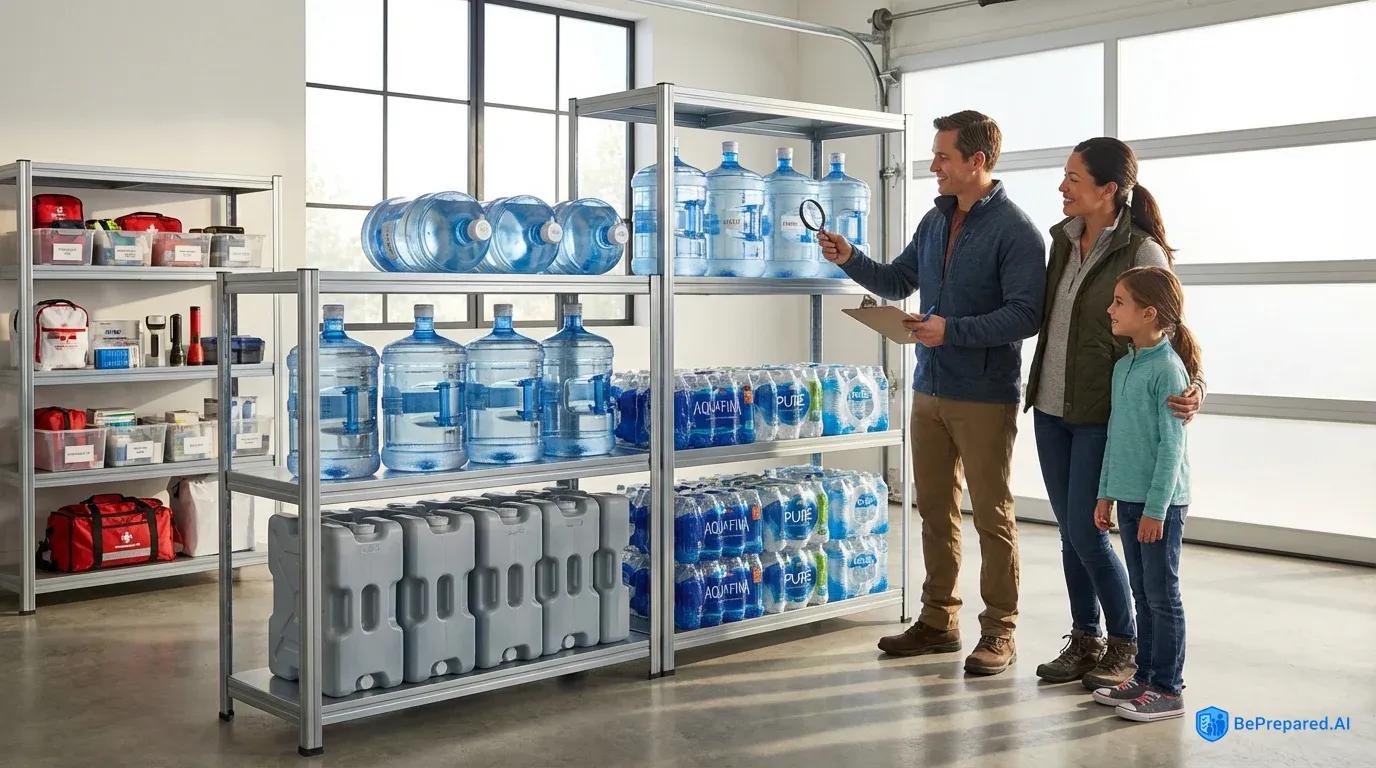
How Much Drinking Water to Store for Emergencies Calculator
Most families store barely 12 hours of emergency water. This calculator shows exactly how much your household actually needs—and where to keep it.
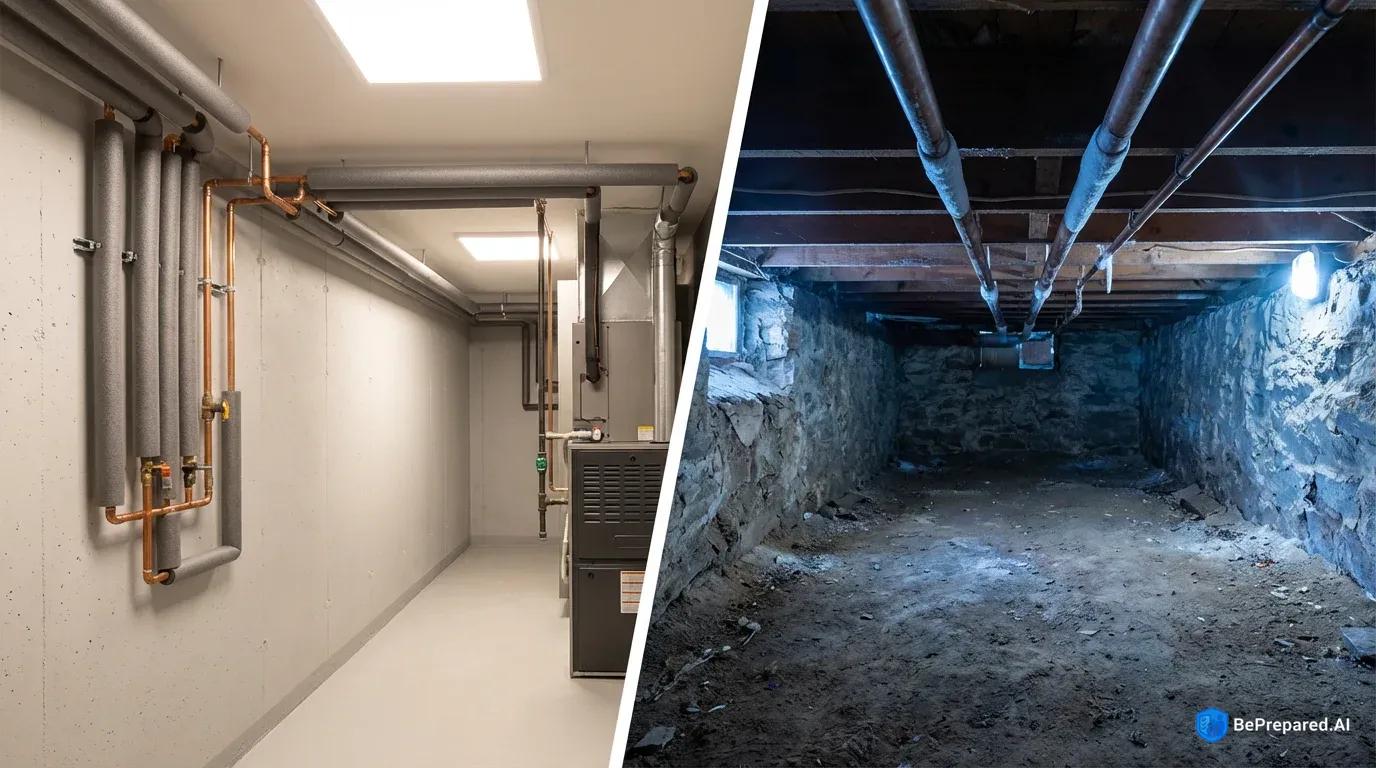
How to Prevent Pipes from Freezing: A Beginner's Guide
Frozen pipes cause $5 billion in damage annually, yet most homeowners miss the simple prevention steps. Protect your home before temperatures drop.
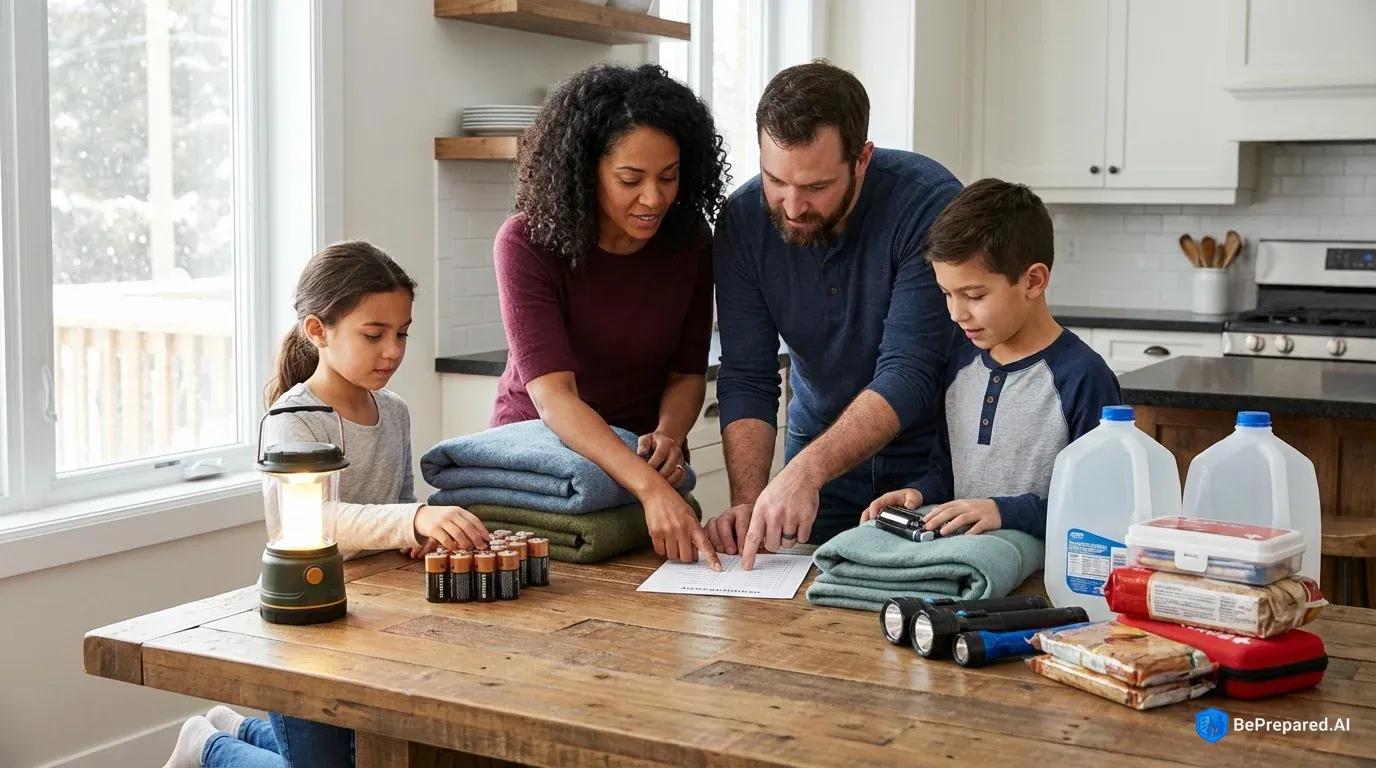
Winter Power Outage Survival: Essential Items Checklist
Most people's winter emergency plans fail within the first two hours of a power outage. This checklist covers the survival essentials you actually need.
Ready to stock up? See our Natural Disasters kits.
What is the difference between a weather watch and a warning?
A watch means conditions are favorable for a hazard, so get ready; a warning means the hazard is happening or imminent, so act. In the definitions published by the National Weather Service's New York office, watches go out up to 72 hours ahead with forecaster confidence around 50 percent. Warnings come up to 48 hours ahead, with confidence of at least 80 percent. Severe thunderstorm, tornado and flash flood alerts move much faster, with watches issued hours ahead and warnings sometimes only minutes ahead. During a tornado watch, review your plan and check your supplies and safe room. During a tornado warning, go to an interior room on the lowest floor of a sturdy building, away from windows.
How should our household receive severe weather alerts?
Use more than one channel, so a single failure does not leave you uninformed. Wireless Emergency Alerts reach enabled phones in the targeted area for free, without signing up, and are not affected by network congestion. NOAA Weather Radio broadcasts warnings, watches and forecasts from your nearest National Weather Service office around the clock. The FEMA App sends National Weather Service alerts for up to five locations, which helps when relatives live elsewhere. Sign up for your county's alerts too, since local emergency managers share shelter locations and other safety updates. BeAware can also monitor alerts for your home address.
What should a basic disaster supply kit include?
Cover water, food, light, communication, first aid and the tools to shelter in place. Ready.gov's basic list starts with a gallon of water for each person for each day, enough for several days, and a several-day supply of non-perishable food. It adds a battery-powered or hand-crank radio, a flashlight, extra batteries, a first aid kit and a whistle. Round it out with a dust mask, plastic sheeting, tape, a wrench for shutting off utilities, a manual can opener, local maps and phone chargers. Then add what your own household needs: prescriptions, glasses, infant and pet supplies, and copies of key documents. Pack it in one or two easy-to-carry containers and review it every year.
Sources
- Watch Warning Advisory Definitions, National Weather Service (New York, NY office). Watch: conditions favorable, issued up to 72 hours ahead at about 50 percent confidence; warning: imminent or occurring, up to 48 hours ahead at 80 percent or more; thunderstorm, tornado and flash flood products have lead times of hours or minutes.
- What is the difference between a Tornado Watch, a Tornado Warning and a Tornado Emergency?, National Weather Service. Tornado watch: review plans, check supplies and safe room; tornado warning: interior room on the lowest floor of a sturdy building, avoid windows.
- Emergency Alerts, Ready.gov (FEMA). WEAs are free, need no subscription, reach phones in a targeted area, and are not affected by network congestion; NOAA Weather Radio broadcasts 24/7 from the nearest NWS office; FEMA App alerts for up to five locations.
- Evacuation, Ready.gov (FEMA). Know your local risks; sign up for alerts from local emergency management, which share shelter locations and safety information.
- Build A Kit, Ready.gov (FEMA). Basic disaster supplies kit list; additional items such as prescriptions, glasses, infant and pet supplies, documents; one or two easy-to-carry containers; update every year.