Community Safety Disruption
18 articles
Civil unrest is a period of protests, crowds or disorder that disrupts normal safety, travel and services in a community. Your household's first job is to decide how official warnings will reach you, then keep enough food, water and daily medicines at home to stay put for several days.
Social instability, protests, or civil unrest that disrupts normal community safety. Focus on personal security, shelter-in-place, and community coordination.
Updated
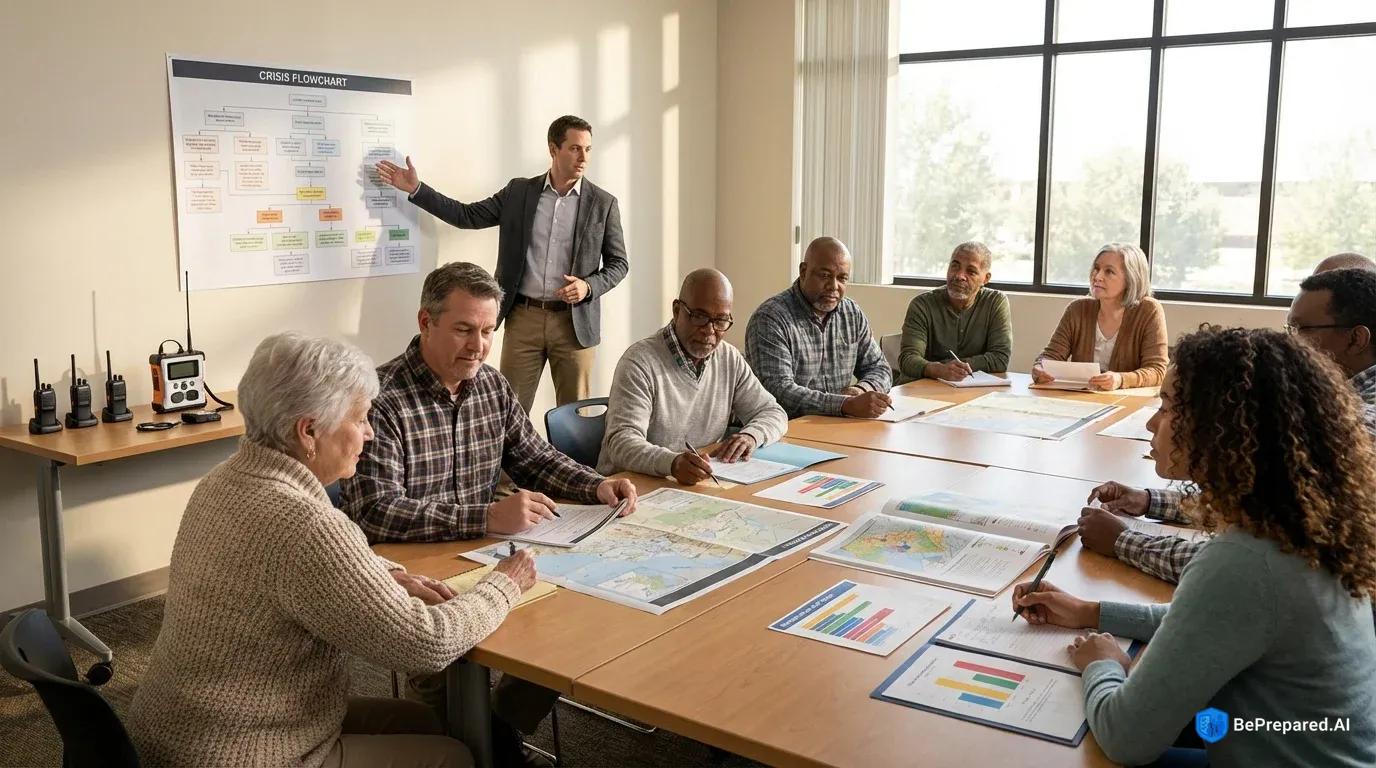
Complete Guide to Community Organization During Civil Unrest
Most neighborhood protection plans collapse within 72 hours of actual unrest. Technical frameworks for scaling community security from protest response to complete civic breakdown.

Non-Electronic Security Systems for Civil Unrest
Portland's 2020 grid shutdown rendered electronic security useless—mechanical barriers protected what survived. Build power-independent defense systems that function when infrastructure fails.
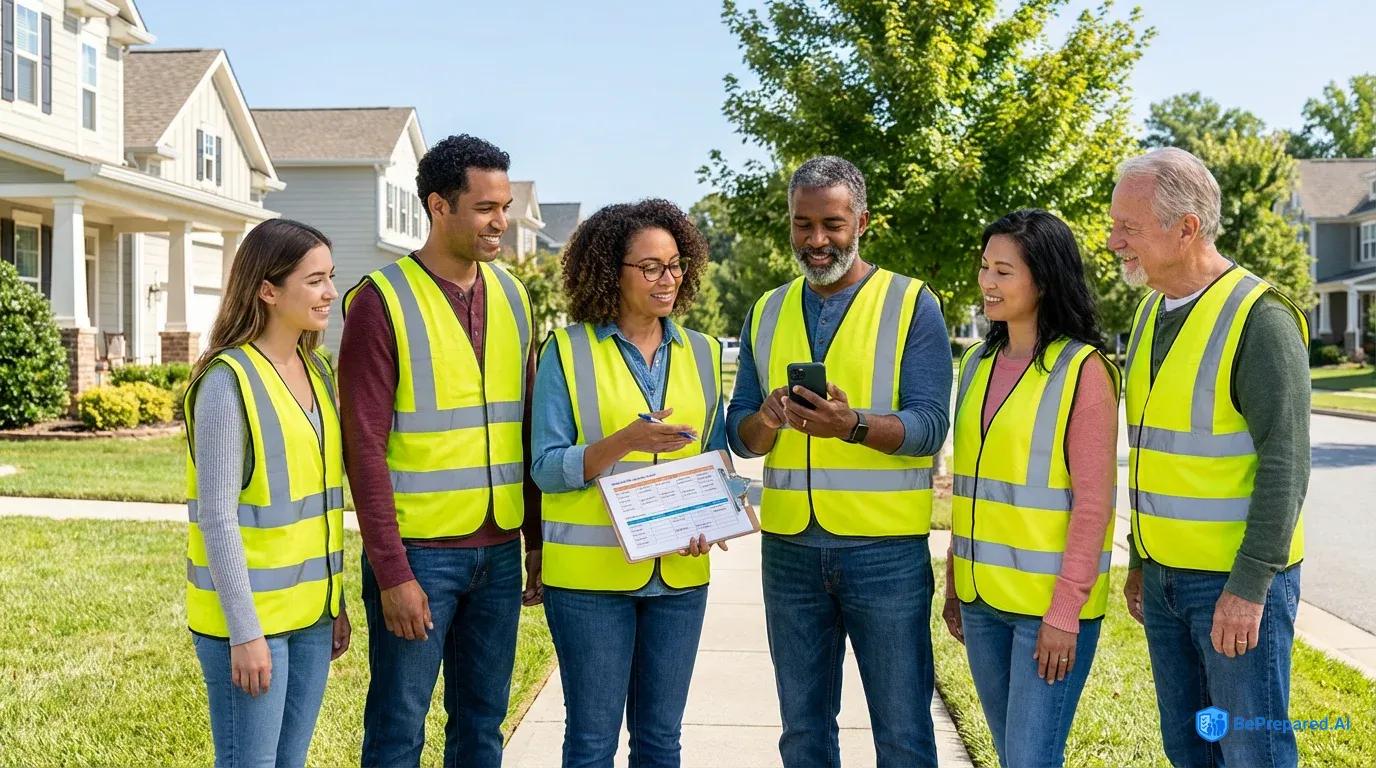
How to Set Up a Neighborhood Watch During Civil Unrest
Traditional neighborhood watch fails when unrest arrives. Proven framework for adapting observation networks, legal boundaries, and communication protocols during crisis conditions.
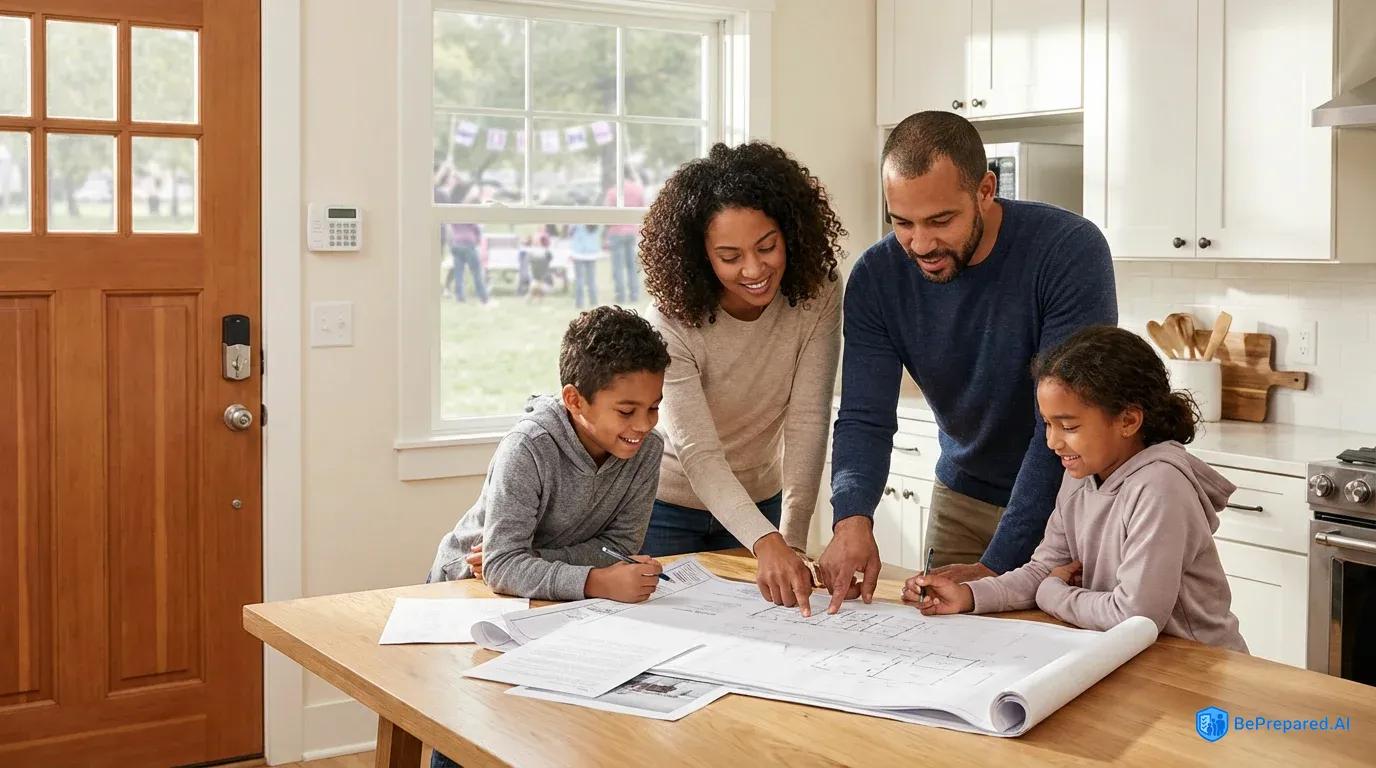
Complete Guide to Home Security During Civil Unrest
60% of civil disturbances eventually reach residential areas—not just commercial zones. Build a defensible home security plan before crowds move into neighborhoods.
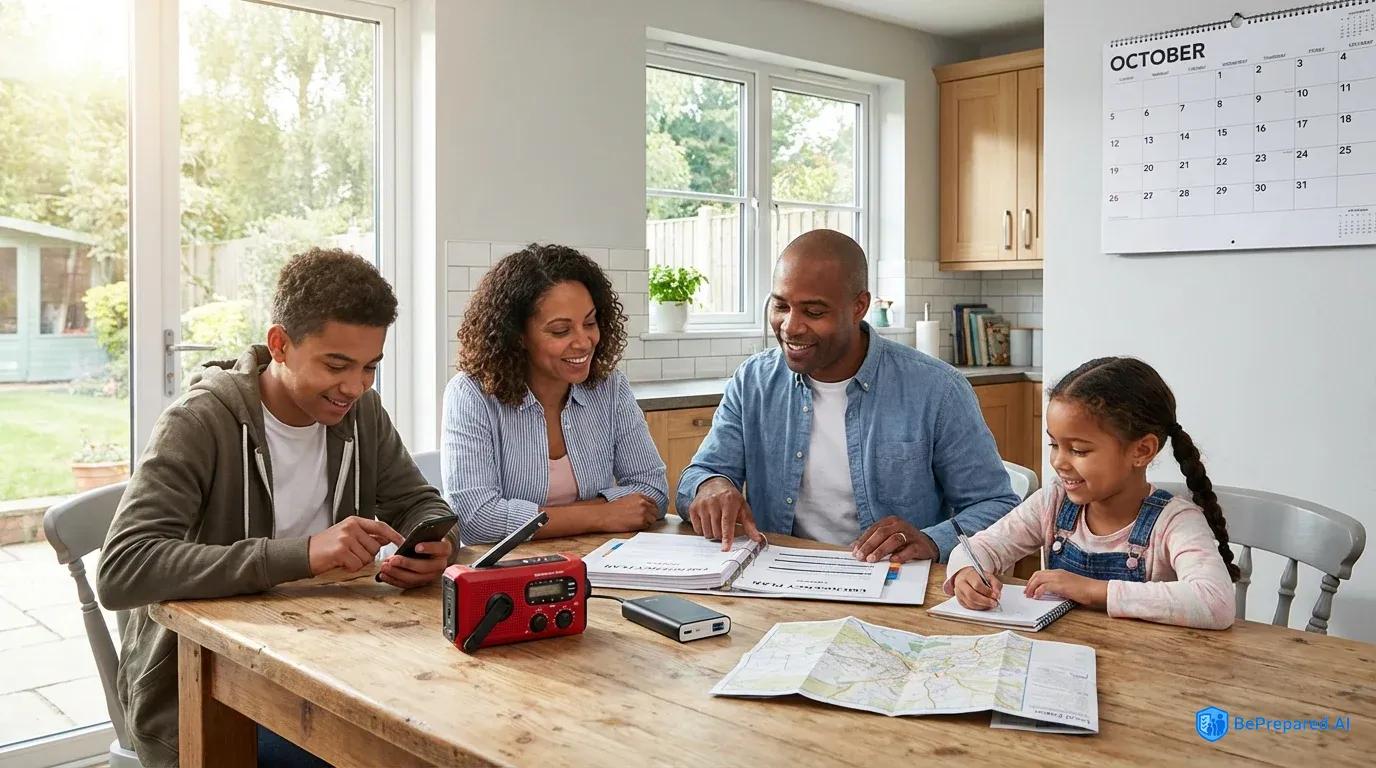
Essential Communication Plans for Civil Unrest
71% of families can't reach each other when cell networks fail during emergencies. Build a communication system that works when phones don't.

Food Preservation Without Power
Most people lose $150+ of food in every power outage. Simple preservation techniques your grandparents knew prevent this waste without expensive equipment.
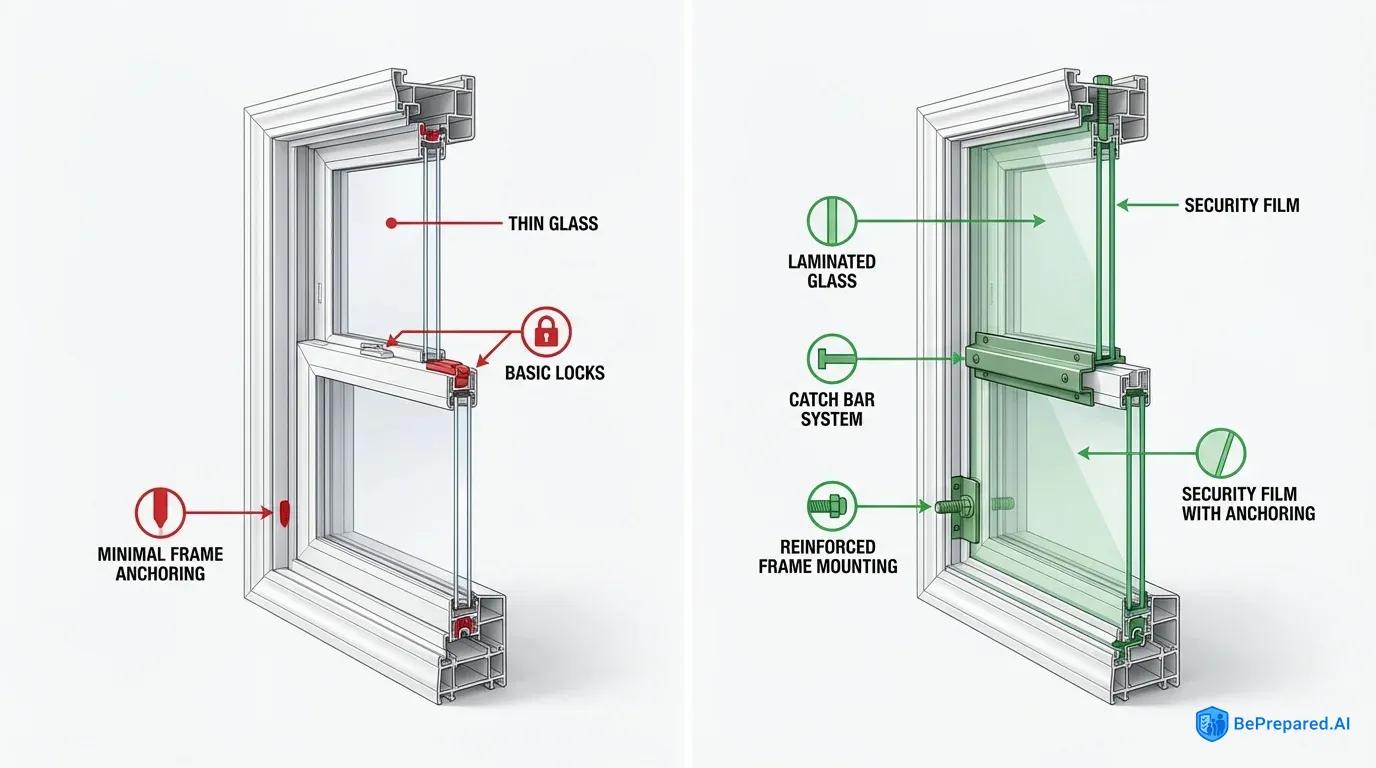
Window Security Guide for Civil Unrest
Standard residential windows fail in 22 seconds during forced entry. This guide reveals which barriers actually stop determined intrusion and which waste your money.
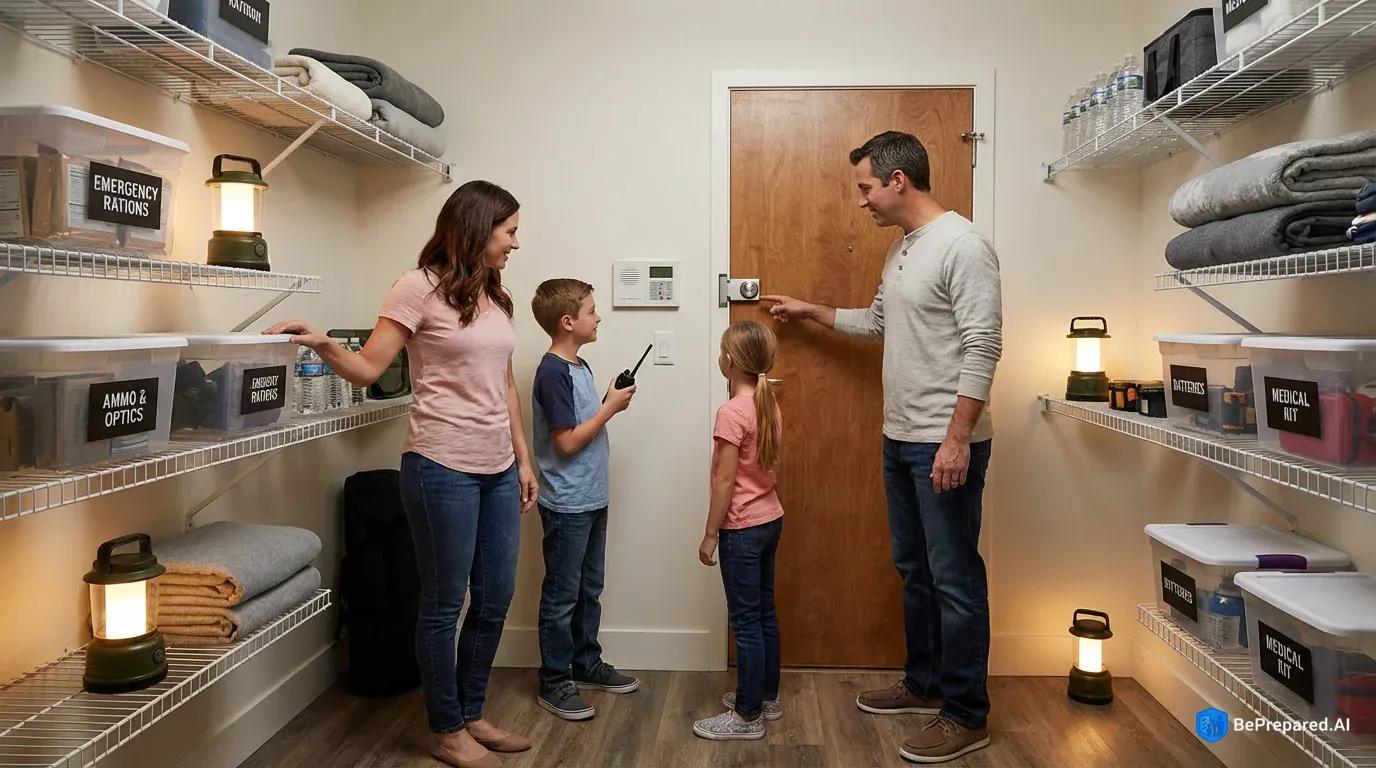
How to Create a Safe Room on a Budget
Movie panic rooms cost $50,000+, but a walk-in closet conversion under $2,500 provides real protection. Budget-friendly safe room essentials that actually work.
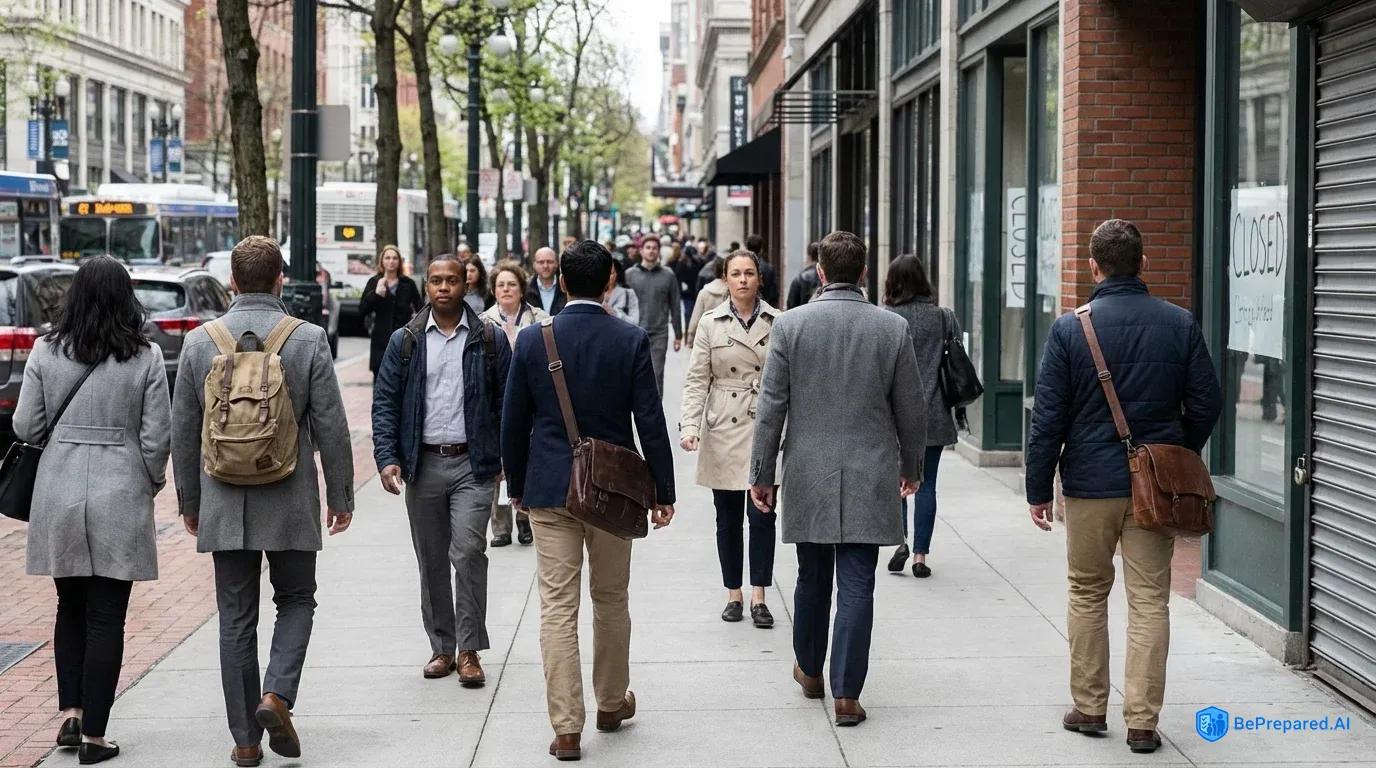
Low-Profile Transportation During Civil Unrest
Tactical gear makes you a target during civil unrest. Proven gray man techniques for moving through unstable areas without attracting attention from any faction.
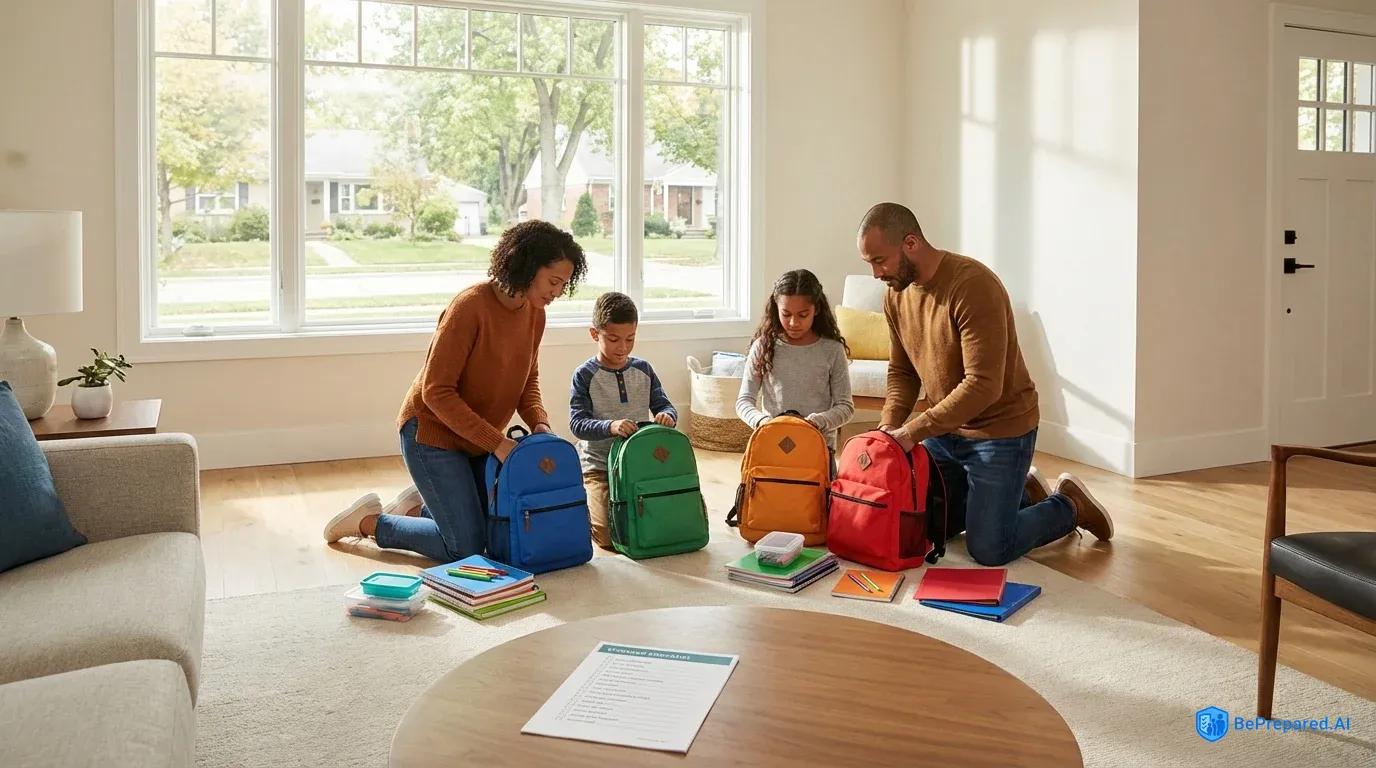
Quick Evacuation Planning for Civil Unrest
73% of urban residents have no evacuation plan. Learn the simple framework that helps you decide, pack, and move when civil unrest erupts nearby.
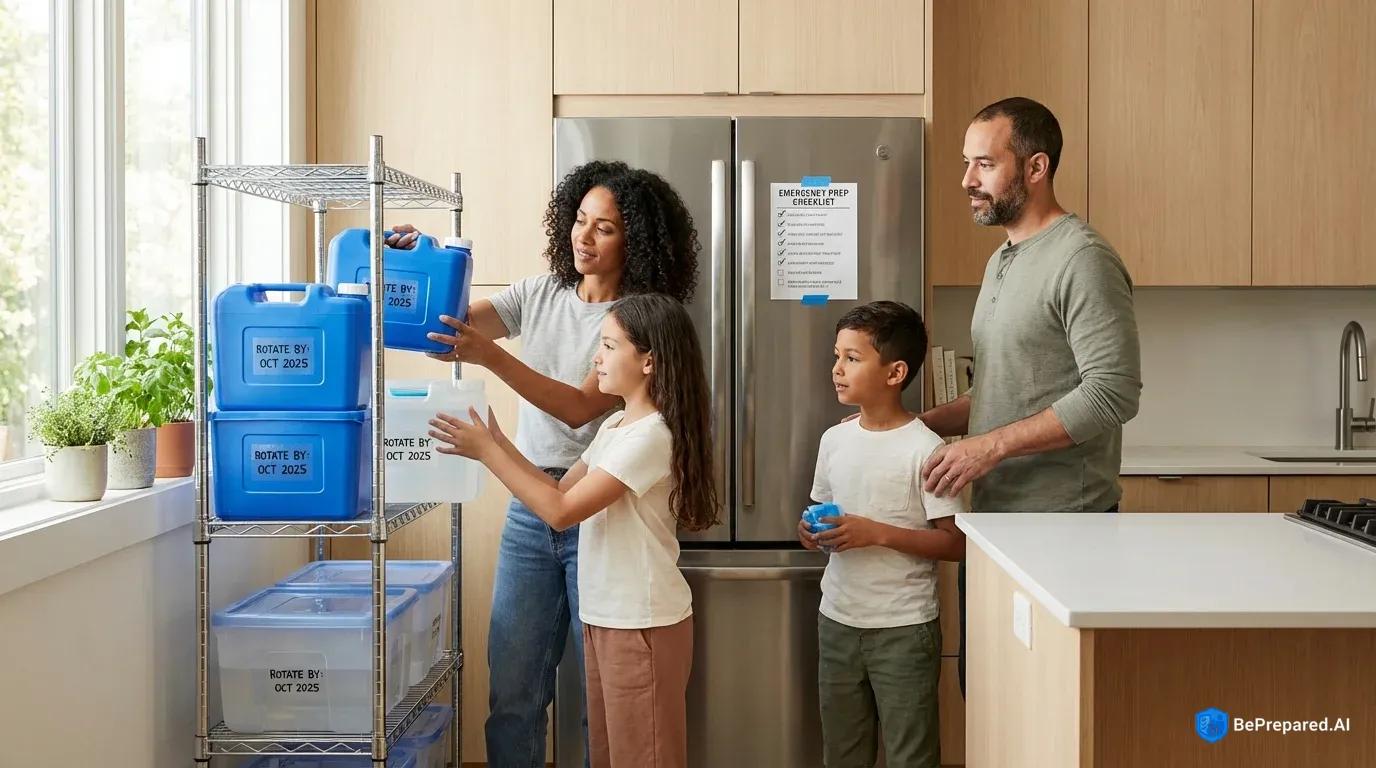
Emergency Water Storage for Civil Unrest
Most preppers stockpile food first, but your body fails without water in just three days. Essential storage guidance for civil unrest scenarios.
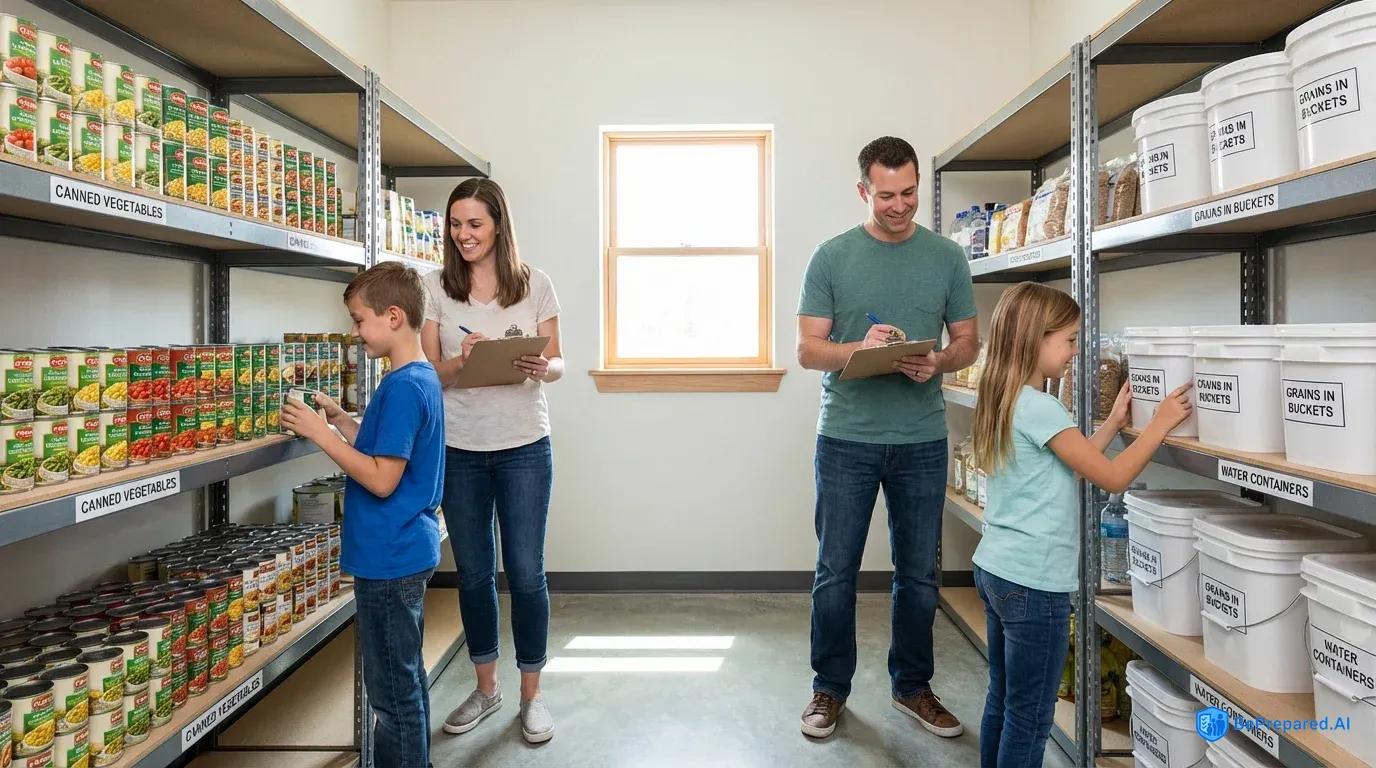
How to Calculate Food Storage Needs During Civil Unrest
FEMA's three-day food supply recommendation fails catastrophically during civil unrest. Calculate the actual storage duration your household needs using historical disruption data.
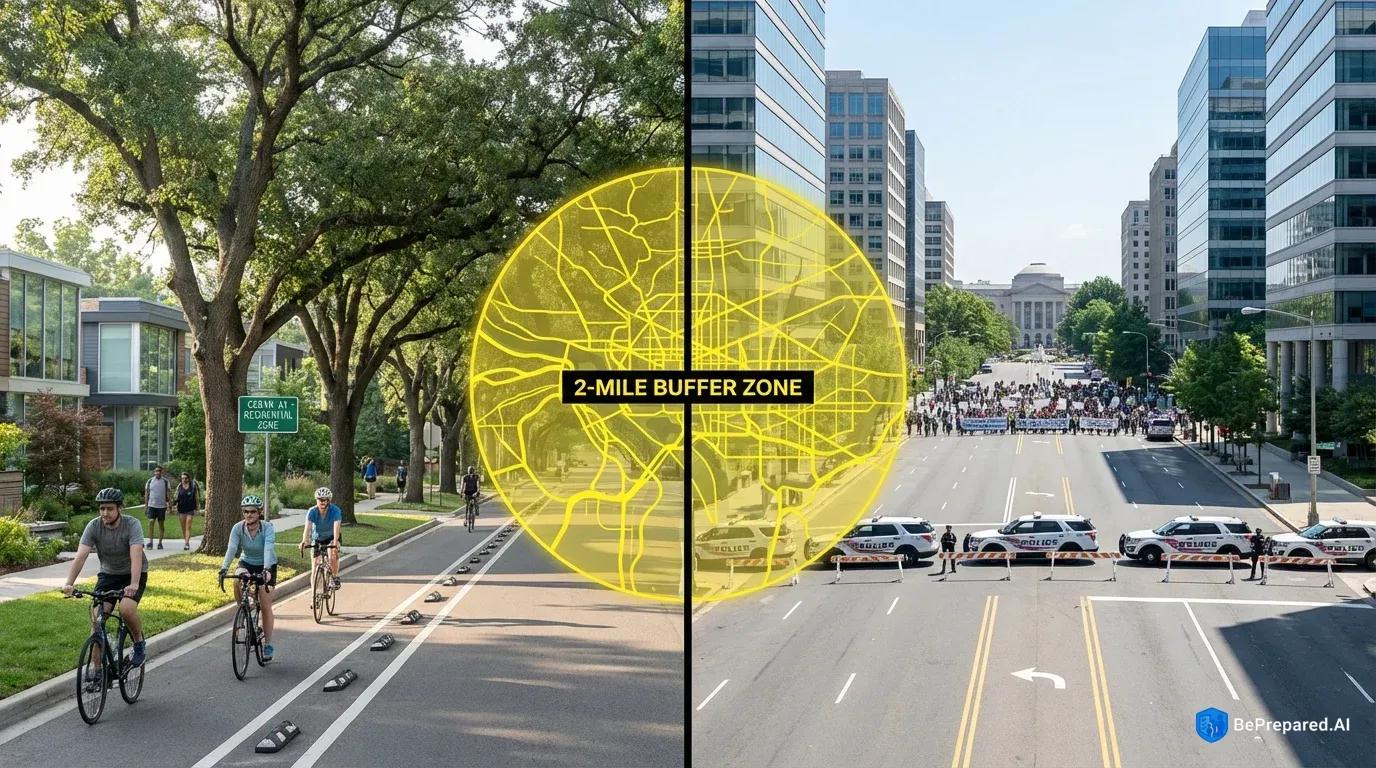
Urban Transportation During Civil Unrest
Transit systems shut down with 15 minutes' warning during unrest. Understand disruption patterns, backup routes, and mobility strategies when your city's transportation network fails.
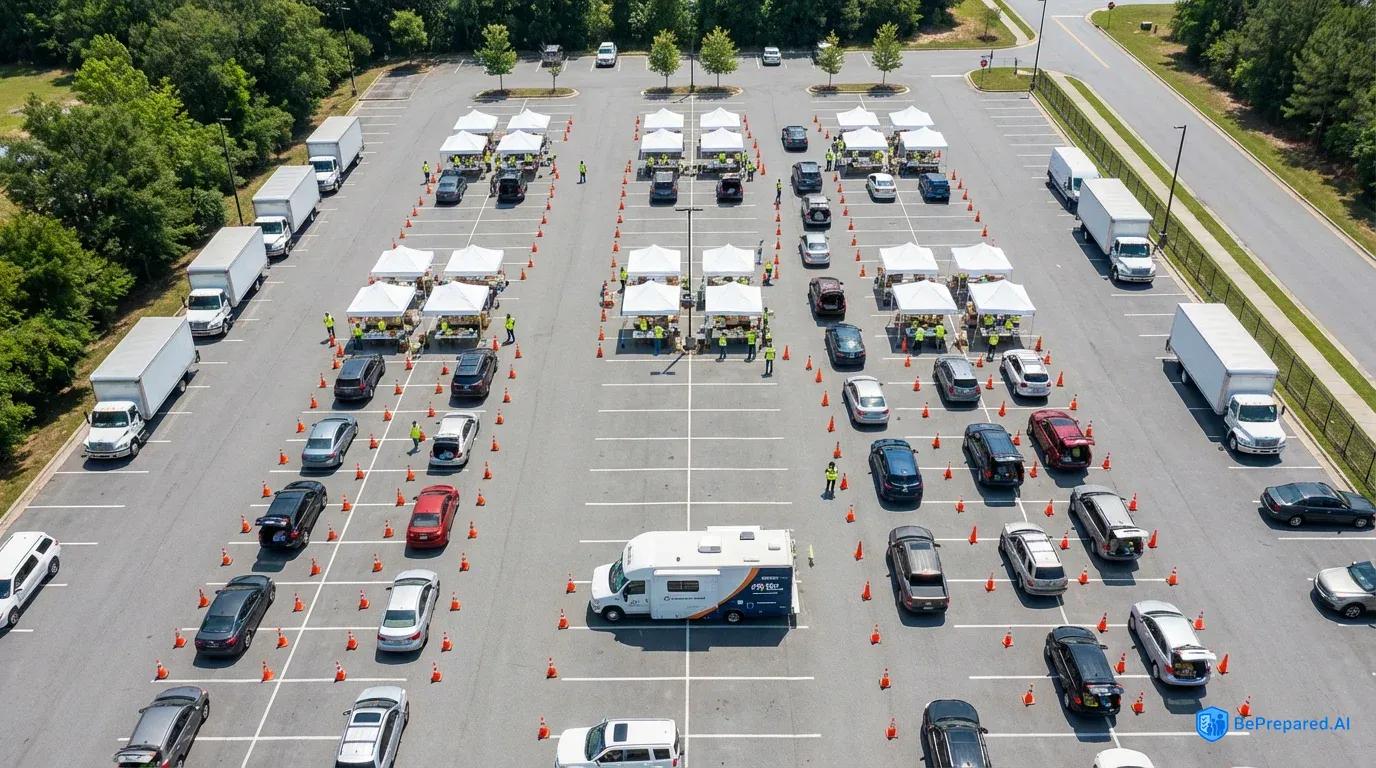
Emergency Food Distribution Systems for Communities
Centralized food systems collapse within 72 hours during disasters. Engineer resilient community distribution networks using proven decentralized infrastructure and surge capacity protocols.
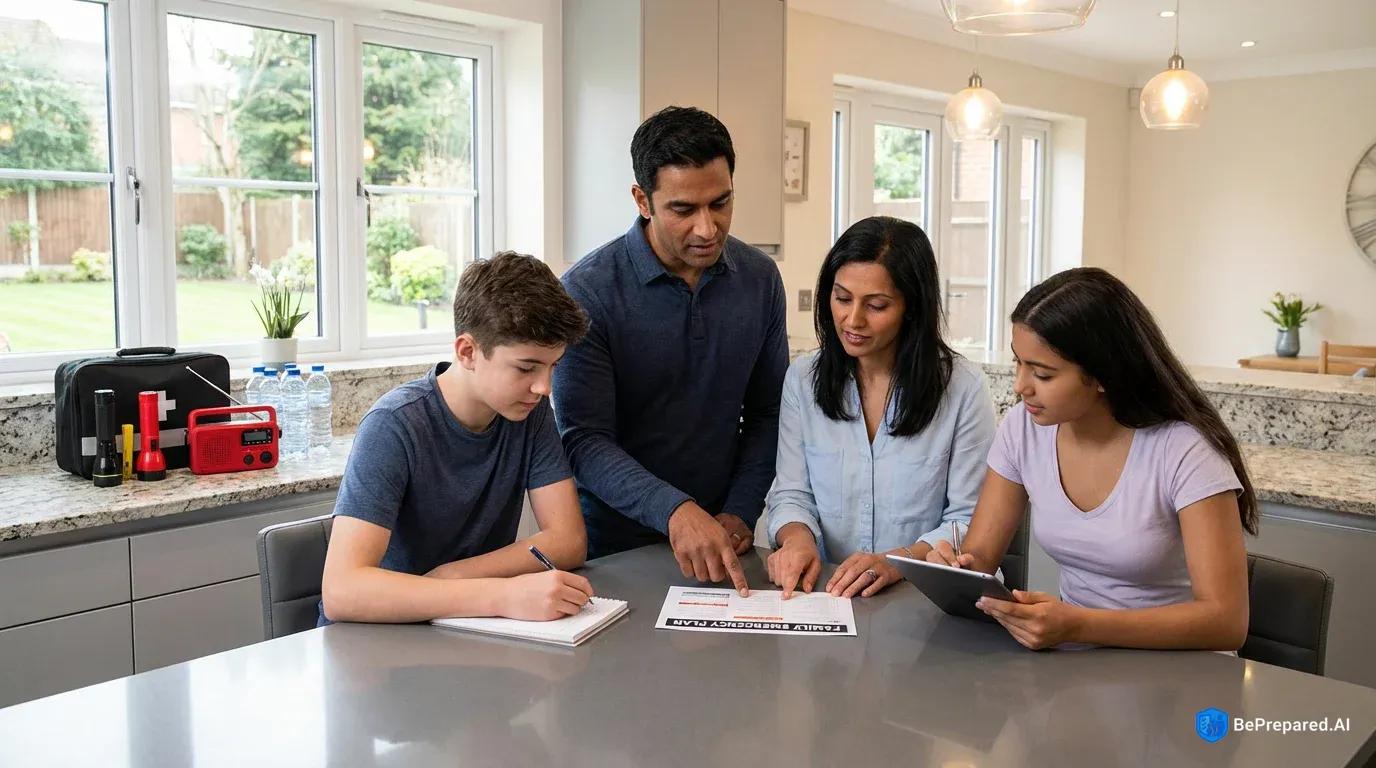
Common Myths About Civil Unrest Safety
Most people's civil unrest plans increase their danger. Learn the counterintuitive safety strategies emergency professionals actually recommend for protecting your family.

10-Point Home Security Checklist for Civil Unrest
Most home invasions happen because of three preventable mistakes. This practical checklist helps new preppers secure their homes without expensive systems or fear-mongering.
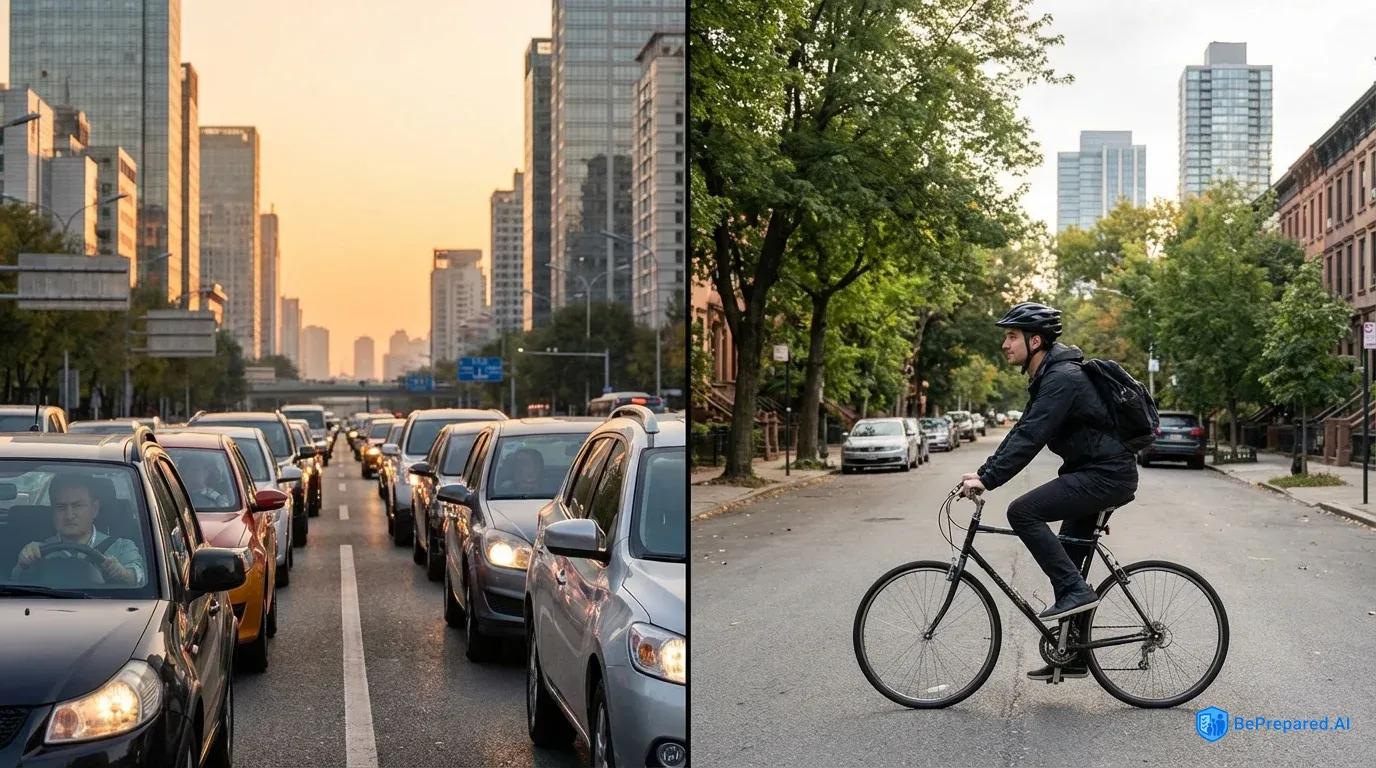
Alternative Transportation Methods During Civil Unrest
Your car becomes a trap when protests block highways. Non-motorized transport shows 73% higher reliability during urban unrest—here's your backup plan.

How to Create a Safe Room During Civil Unrest
Most safe rooms fail during civil unrest because they trap occupants inside. Build a tactical refuge with escape routes, communication capability, and proper threat assessment.
How do we get reliable information when there is unrest near our home?
Sign up for your county or city emergency alerts, and confirm that every phone in the house has Wireless Emergency Alerts switched on. These alerts come from authorized public safety officials, cost nothing and need no subscription. Some carriers list them as "Government Alerts" or "Emergency Alert Messages," and some phone models need the setting turned on. Ready.gov cautions that local authorities may not have details right away, so watch local media for official news and instructions as they are released. A radio with batteries or a hand crank gives you a source that does not rely on your phone. Agree as a household on which official sources you will act on, so decisions are not driven by rumor.
Should our household stay home or leave if unrest reaches our neighborhood?
Follow the instructions of local officials, who may tell residents to stay indoors or to leave by specific routes. Ready.gov notes there are times when it is best to stay where you are and avoid uncertainty outside. If you stay, bring everyone and any pets inside, lock the doors, close the windows, and limit trips to necessities such as groceries and the pharmacy. If you are told to leave, use the routes officials recommend and skip shortcuts, which may be blocked. Pick a few possible destinations in different directions ahead of time. Keep at least half a tank of gas, because stations may be closed during an emergency.
How will our family reconnect if we are apart when trouble starts?
Set up a household communication plan now, with a familiar meeting place and one out-of-state contact that everyone can call or text. Ready.gov points out that your family may not be together when an emergency happens, so each person needs to know how to reach the others. Write the numbers on a card for each wallet or backpack; Ready.gov offers a fillable family communication card for this. Find out what your children's school and your workplaces plan to do in an emergency. Ready.gov also suggests being ready to stay at work for at least 24 hours, with some food, water and medicine kept there in a grab-and-go case.
Sources
- Emergency Alerts, Ready.gov (FEMA). Wireless Emergency Alerts come from authorized officials, are free, need no subscription, and may be labeled "Government Alerts" or need enabling on some phones.
- Shelter, Ready.gov (FEMA). Local authorities may not have information right away; follow local media for official instructions; staying where you are is sometimes best; bring people and pets inside, lock doors, close windows; stay-at-home trips for groceries and pharmacies.
- Evacuation, Ready.gov (FEMA). Sign up for local alerts; follow local officials; choose destinations in different directions; use recommended routes, not shortcuts; keep a half tank of gas because stations may be closed; household plan with a meeting place.
- Make a Plan, Ready.gov (FEMA). Step 1 asks how you will receive alerts and warnings; your family may not be together when disaster strikes; know how to contact one another; establish a familiar meeting place; fillable family communication card; plan around school-aged children and frequent locations.
- Build A Kit, Ready.gov (FEMA). Several days of food and water; battery-powered or hand-crank radio; work kit to shelter at work for at least 24 hours with food, water and medicines in a grab-and-go case.